9 new resources to advance your biopharmaceutical research

Explore expert webinars, free downloads, latest methods, and much more to help support biopharmaceutical research

1 Jun 2021

Finn Price
Administrator / Office Personnel

Editorial article

As part of our new special feature, we’ve pulled together a selection of the top new resources to aid your work in biopharmaceutical research and development. Explore a method for the quantitative analysis of CAR-T cell exhaustion, learn how HRIM-MS can be used to enhance structural characterization of large therapeutics, discover a new solution for determining protein or antibody concentration in crude samples, and much more!
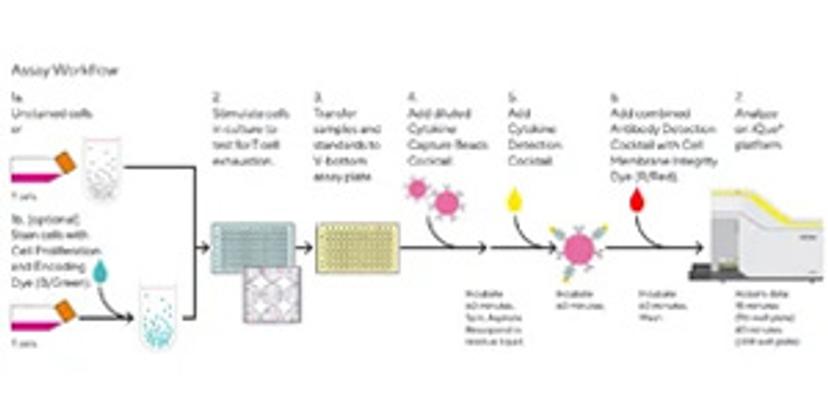
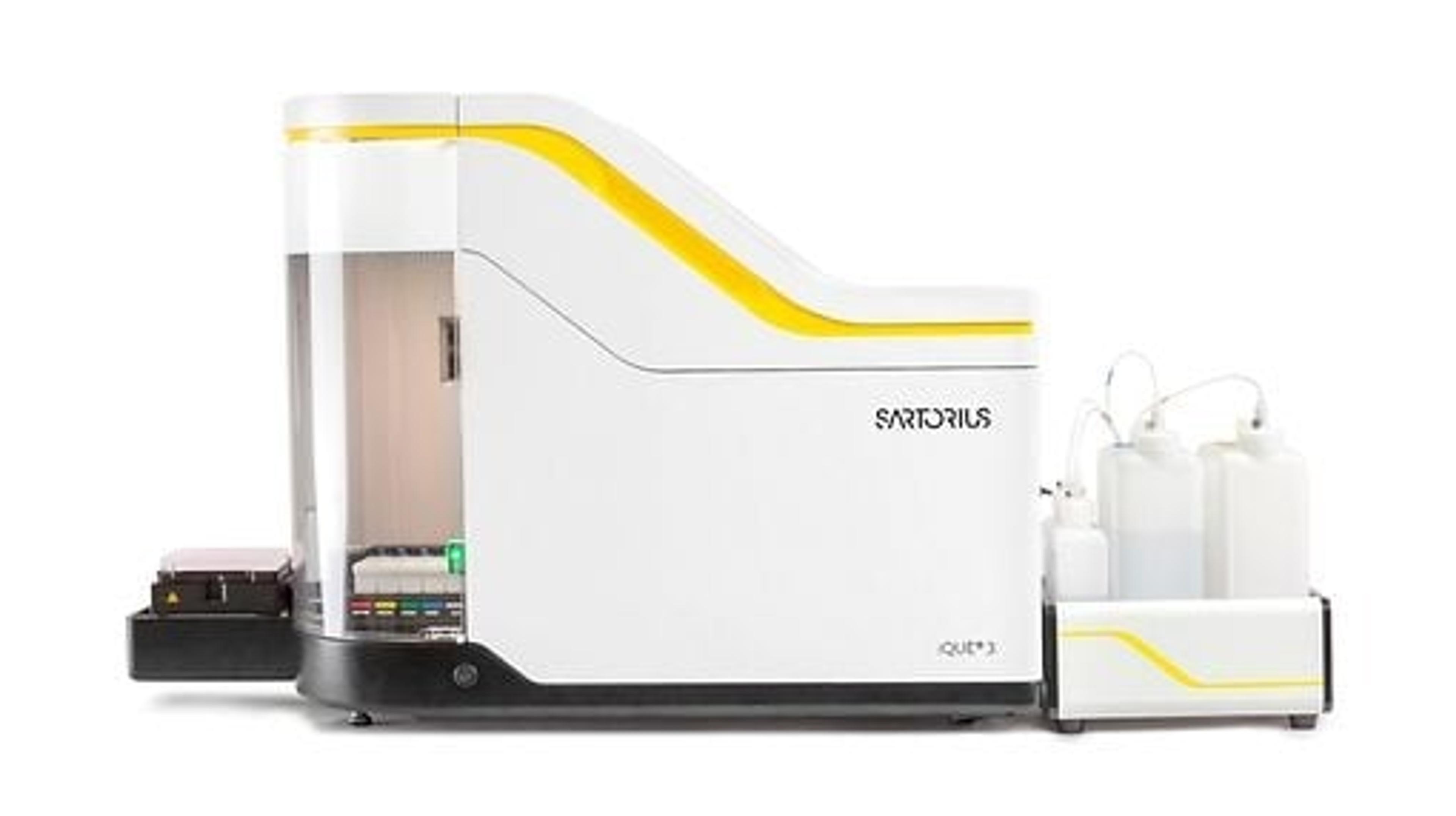
Quantitative analysis of CAR-T cell exhaustion using advanced flow cytometry

In this application note, Sartorius demonstrates how the iQue® Advanced High Throughput Flow Cytometry System and iQue® Human T Cell Exhaustion Kit enable the simultaneous quantification of exhaustion markers and cytokines in a high throughput system and are applicable to therapeutic drug testing.
Download Application Note

Support for Title 21 CFR Part 11 and Annex 11 Compliance

In this white paper, Agilent Technologies provide information for users of Agilent MassHunter Networked Workstation regarding TOF and Q-TOF LC/MS systems revision 11.0 or higher whose organizations must comply with these regulations.
Download White Paper

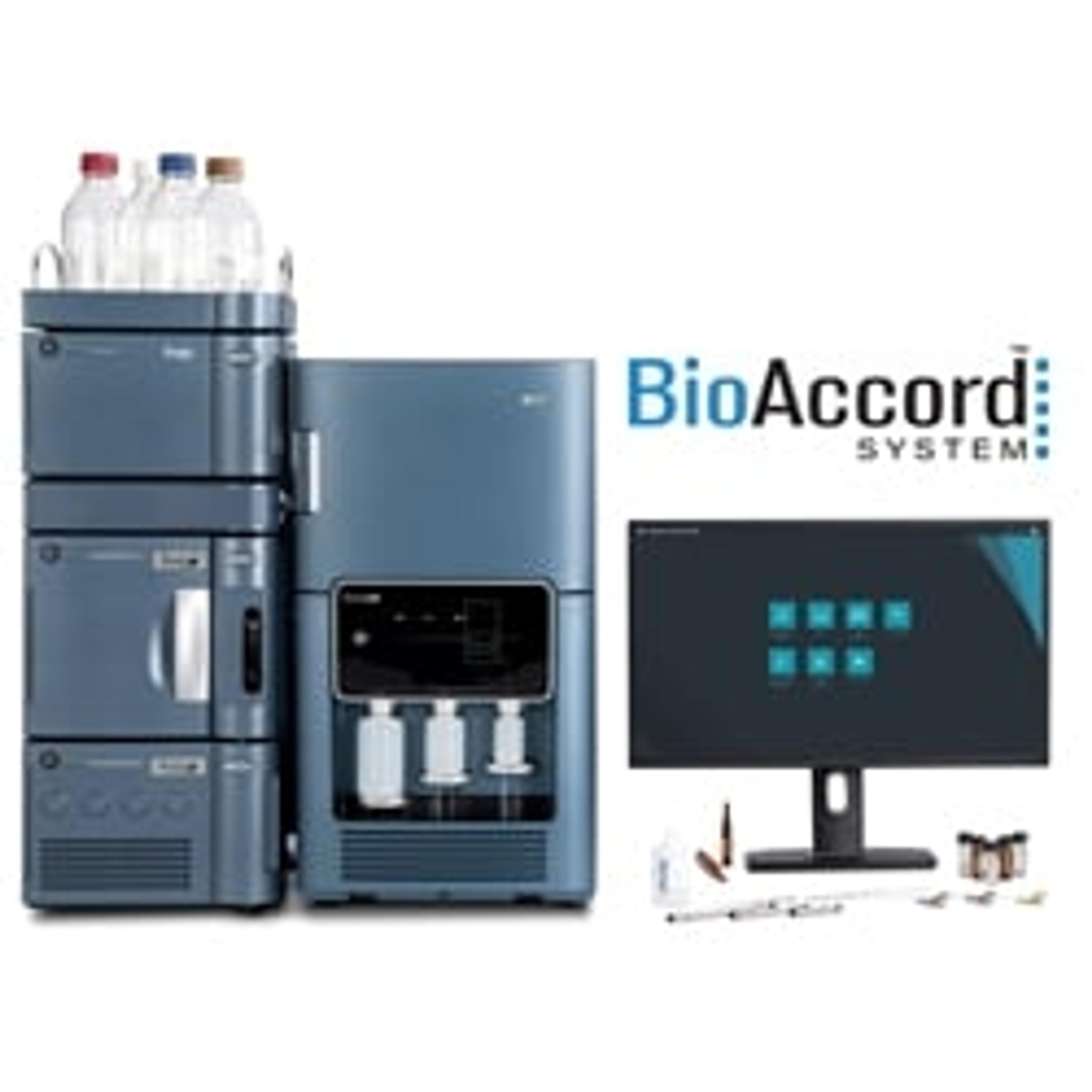
Robust mAb subunit product quality attribute monitoring

Waters demonstrates the implementation of a subunit MAM method on two additional Tof-based MS systems to monitor antibody glycosylation, glycation, oxidation, and sequence variants
Download Method

High-Resolution Ion Mobility for simplifying complex large molecule characterization

In this on-demand webinar, Dr. Jim Arndt, from MOBILion, and Dr. Jeffrey Agar, Associate Professor at Barnett Institute Northeastern University, discuss the benefits of HRIM-MS for enhancing structural characterization of large molecule therapeutics, while increasing throughput and reducing reliance on LC-based methods.

Watch On Demand

LC troubleshooting - All of my peaks are tailing! What should I do?

Tailing peaks can be a problem when performing liquid chromatography (LC), and secondary silanol interactions are one of the causes. Using the example of basic drugs, Restek explains what causes them and cover a few steps that can be taken to minimize the effect of these secondary silanols on peak shape when troubleshooting.
Watch Video

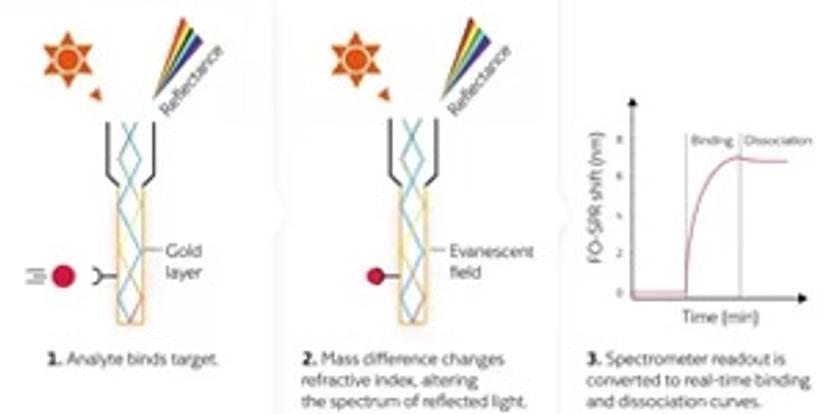
Sensitive protein quantification in crude serum samples

FOx BIOSYSTEMS demonstrate the detection of the therapeutic monoclonal antibody, infliximab (IFX), in patient serum samples using fiber-optic surface plasmon resonance technology (FO-SPR). FO-SPR is a powerful tool that harnesses the power of SPR in an easy-to-use fiber-optic sensor.
Download Method

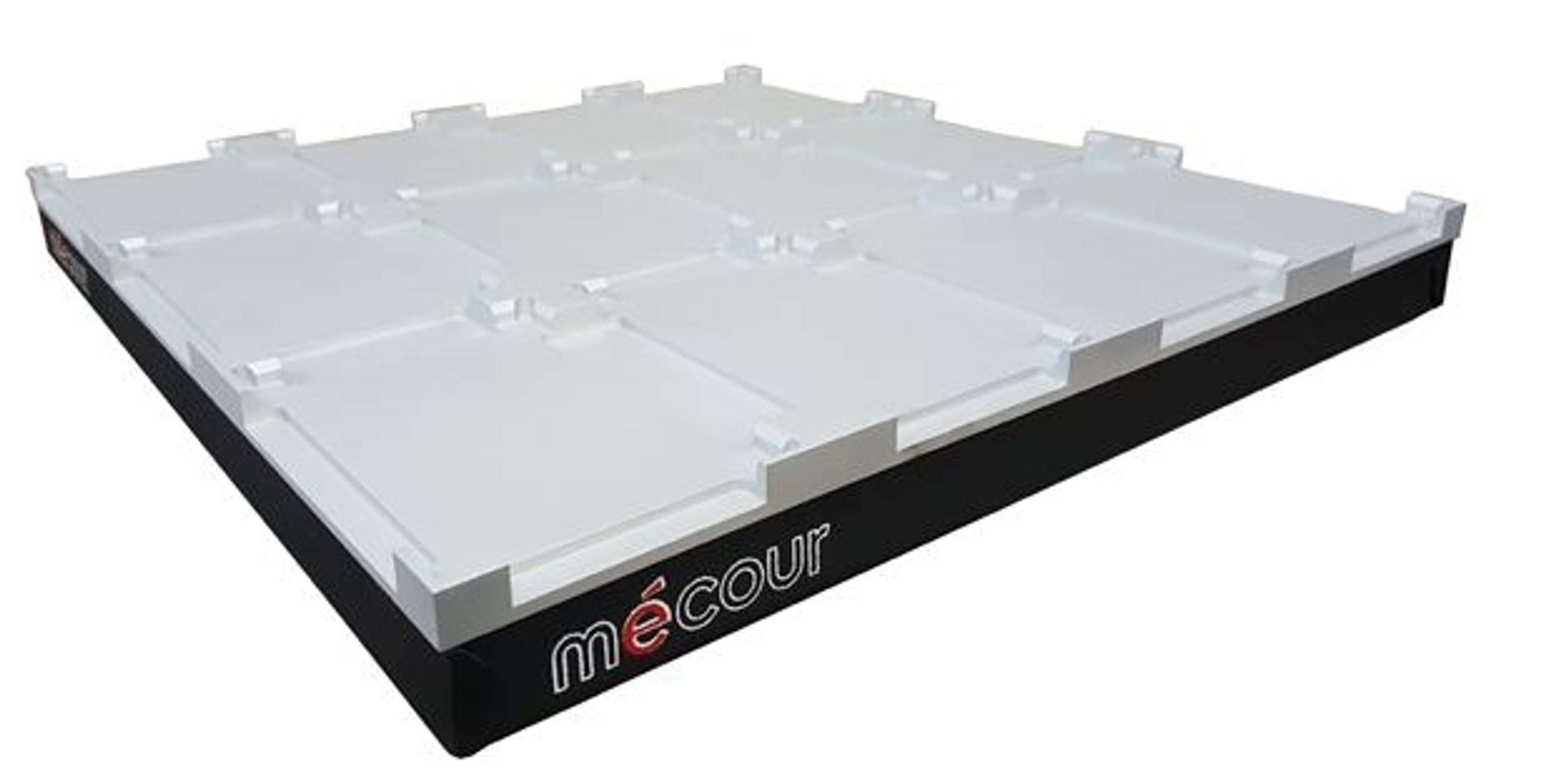
Overcoming temperature imbalances

In this video, MéCour demonstrates how it has addressed the thermal precision needs of clinical researchers for manufacturing processes in sensitive sample applications by introducing a fully enclosed accurately equilibrated thermal control unit.
Watch Video

High performance glass washer meets ACT sustainability standards

Find out more about the environmental impact factor of Miele's Laboratory Glassware Washer PG 8583 as determined by ACT sustainability criteria.
Download Article

Miniaturizing qPCR assays and simplifying standard curve preparations

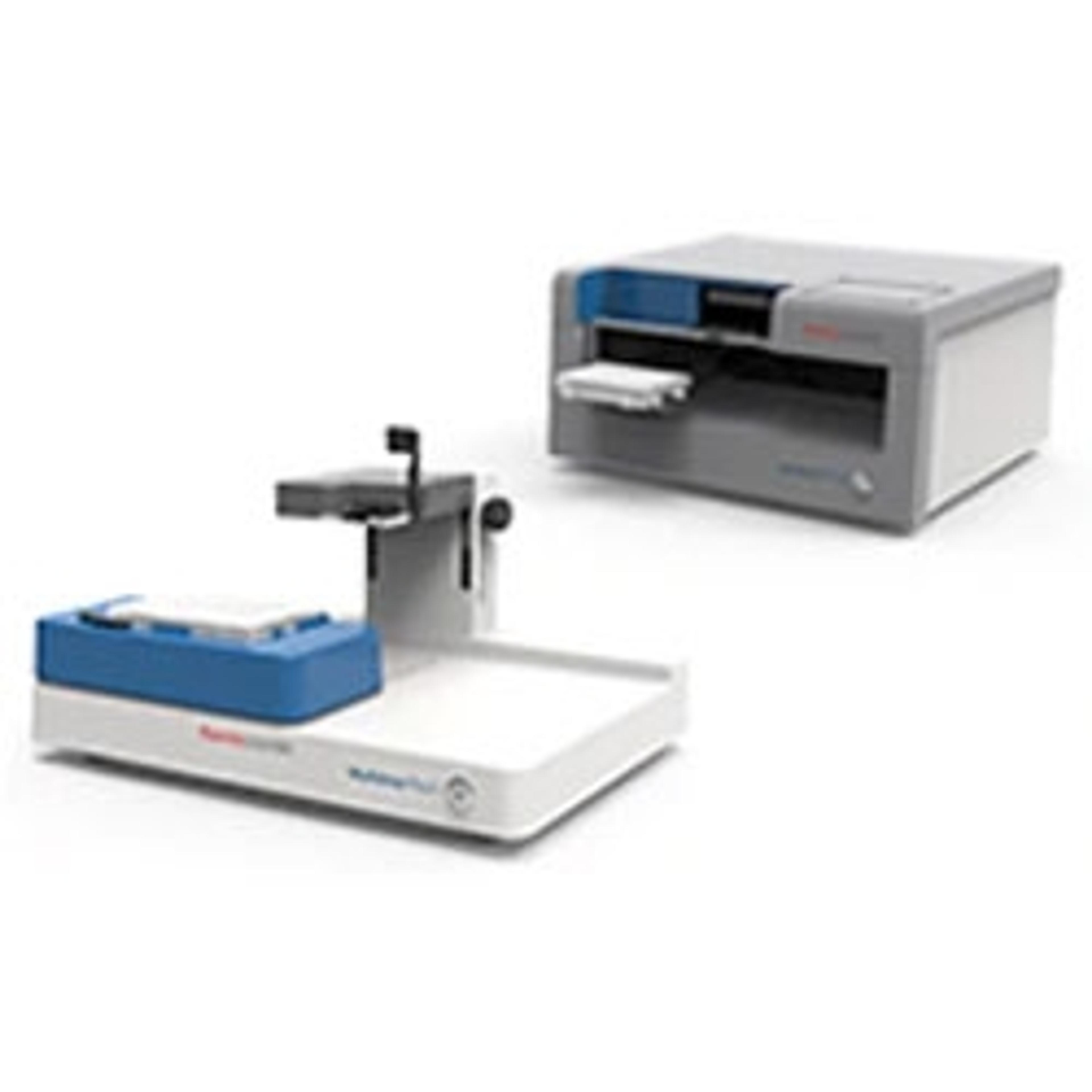
This application note demonstrates a successfully miniaturized qPCR assay with the Thermo Scientific™ Multidrop™ Pico 8 Digital Dispenser and PicoIT 8 software. Find out how together they can provide increased productivity in assay development and facilitate an accelerated and miniaturized qPCR assay with decreased manual pipetting and reduced reagent amounts.

Download Application Note

More biopharmaceutical webinars:

  • Discovery and development of antibody therapies for COVID-19: Find out how high-throughput epitope binning and mapping using label-free biolayer interferometry (BLI) detection and advanced flow cytometry systems has enabled the development of an antibody cocktail that can reduce the risk of drug resistance. Watch webinar on demand>>
  • An insight into BiTE antibodies and CAR-T cells for improved therapeutics: Gain unique insights into how bispecific T cell engager (BiTE) antibodies in an immune cell killing assay affect T cell exhaustion and explore the influence of target cells on CAR-T cell exhaustion. Watch webinar on demand>>
  • Meet regulatory compliance for biopharma with new mass spec software solutions: Learn about the current regulatory landscape and how to address regulatory compliance and data integrity using technical controls. Watch webinar on demand>>
  • Pioneers in biopharma: Hear from three thought leaders taking the biopharma industry to new heights. This collection of webinars highlights research and development in process analytical technologies, development of novel modalities, and the integration of emerging technologies to the field of mass spectroscopy. Watch webinars on demand>>
  • Why functional assays are crucial for biopharmaceutical development success: Understand the importance of functional assessment during drug development and learn about the advantages of functional bioassays and complement assessment for biopharmaceutical development. Watch webinar on demand>>
  • Understanding the biological complexity of tissues with integrated imaging and analysis: Explore how the integration of Imaging Mass Cytometry™ (IMC™) with other established molecular imaging modalities, including histology and mass spectrometry imaging, can enable insight into the biological complexity of tissues and pathophysiological processes. Watch webinar>>
  • Optimize IP-RP method development for oligonucleotide analysis: Learn how to develop more efficient methods for ion-pair reversed-phase analysis of oligonucleotides and method development considerations for selecting ion-pairing agents. Watch webinar>>

Your recommendations:

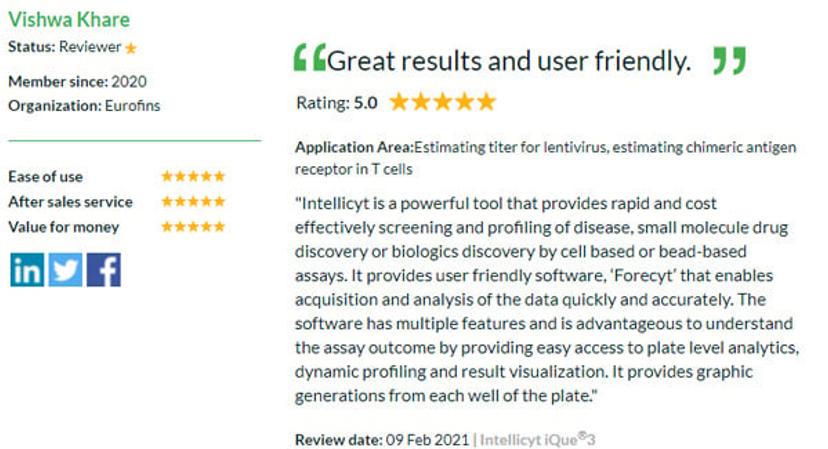
Take a look at what other researchers and scientists all over the world are saying about the latest equipment and technologies in engineered antibodies. Vishwa Khare shared their opinion on the Intellicyt iQue®3 platform from Sartorius:
Find more news and resources in the Biopharmaceuticals Special Feature>>
Links

Tags

UHPLC and HPLCHigh performance liquid chromatography (HPLC) and ultra high performance liquid chromatography (UHPLC), also known as UPLC, are analytical techniques used to separate, identify and quantitate components of complex mixtures including biological samples such as proteins and lipids as well as chemical mixtures of pesticides, drugs and oils. Both techniques are liquid chromatographic methods but differ by operating pressures (HPLC < 6000 psi < UHPLC ). Components of HPLC and UHPLC systems include columns, detectors, pumps, autosamplers and column heaters. Explore a range of UHPLC and HPLC columns for your specific sample needs including reverse phase, normal phase, ion exchange, HILIC, ion exclusion and size exclusion columns. For more specialized HPLC, explore FPLC, countercurrent LC and simulated moving bed systems. Find the best UHPLC and HPLC equipment in our peer reviewed product directory: compare products, check customer reviews and receive pricing direct from manufacturers.LC-MSLC-MS (liquid chromatography-mass spectrometry) systems and equipment are used for separation and quantitative analysis of complex mixtures, combining liquid chromatography and mass spectrometry. Quantify proteins, contaminants, pesticides or screen for drug metabolites with a high level of sensitivity. LC-MS systems and equipment include reverse phase, normal phase and specialized columns integrated with various MS detectors such as time-of-flight (TOF), quadrupole, orbitrap or ion trap mass analyzers. LC-MS/MS instruments equipped with a qTOF or triple quadrupole analyzer give greater sensitivity and resolving power to your analysis. Find the best LC-MS equipment in our peer-reviewed product directory: compare products, check customer reviews and receive pricing direct from manufacturers.Mass SpectrometryMass spectrometry (MS) is a powerful analytical technique used to identify and quantify molecules based on the mass-to-charge ratio of gas-phase ions. It provides detailed information about the structure, composition, and properties of compounds and is widely used across fields such as environmental monitoring, materials science, drug discovery and development, food and beverage testing, and wider chemical research. Key MS techniques include tandem mass spectrometry (MS/MS), liquid chromatography–mass spectrometry (LS-MS) and inductively coupled plasma (ICP-MS). Choosing from these wide range of techniques and technologies can be a daunting task, so keep up to date with scientific applications, performance expectations, and customer reviews here all in one place. Visit our product directory to receive quotes direct from the manufacturer. AntibodiesAntibodies are used in techniques such as confocal and fluorescence microscopy, flow cytometry, ELISA, ELISPOT, immunohistochemistry, western blotting and immunopreciptation. Select specific antigen reactivity, high specific affinity, low non-specific binding, monoclonal or polyclonal, primary or secondary antibodies and associated conjugates such as an enzyme or dye for visualization.BiosensorsBiosensors are devices used to detect an analyte using biological molecules specific to the analyte coupled to a detector. Biosensor instruments may be photometric, typically using surface plasma resonance (SPR), electrochemical or QCM (quartz crystal microbalance) biosensors. Biosensors should be selective, portable, robust and sensitive and have a fast response time. Systems may be manual or automated and usually have associated software.High-Throughput ScreeningHigh-throughput screening (HTS) is an automated drug discovery technique for identification of active compounds against a compound library. Use HTS readers and integrated assay preparation / analysis workstations to screen your compounds. Identify active compounds against various HTS libraries, including membranes, proteins and peptides and HTS cell lines. Find the best high-throughput screening products in our peer-reviewed product directory: compare products, check customer reviews and receive pricing direct from manufacturers.PCR and Thermal CyclingPolymerase chain reaction (PCR) kits and thermal cyclers are used for the in vitro amplification of DNA permitting subsequent analysis and experimental procedures. Explore a range of high-quality polymerase, primers and nucleotides or simplify your workflow with a PCR mastermix. Find reverse transcription PCR (RT-PCR) and cDNA synthesis kits for RNA products and libraries. Quantitatively measure the amplification of DNA with real-time PCR (qPCR) and droplet digital PCR (ddPCR) kits and systems, and discover automated PCR setup solutions to increase throughput. Alternative DNA amplification methods also include recombinase polymerase amplification (RPA) kits. Find the best PCR kits and thermal cyclers and purification equipment in our peer-reviewed product directory: compare products, check customer reviews and receive pricing direct from manufacturers.Heating EquipmentA range of heating equipment is available for different laboratory applications including furnaces, ovens and hotplates. Furnace systems include vacuum furnaces and ultra-high temperature furnaces and ovens comprise of convection and vacuum ovens.BiomarkersBiomarkers are biological markers which can be measured and evaluated to indicate a biological state. The use of biomarkers in research and diagnosis can indicate a normal or disease state or drug response of cells / tissues. Biomarkers include genetic markers, cell surface markers such as antigens, antibodies or receptors and secreted molecules such as cytokines. An assay system is required for identification of biomarkers. :Biopharmaceutical AdvancesBiopharmaceutical advances follow the development of pharmaceuticals derived from biotechnology, also known as biotechnology medicines. Biopharmaceuticals may be produced from cell lines, plants, or microbial cells. Important considerations of biopharmaceutical use include application, cost, production process and purification.qPCRQuantitative PCR (qPCR) is a molecular biology technique used to amplify and measure the amount of a specific DNA or RNA target. It plays a crucial role in gene expression analysis, pathogen detection, and quantifying DNA or RNA in various applications. Real-time PCR provides precise, quantitative results and is widely used in research, diagnostics, and clinical studies. Browse our peer-reviewed product directory to find the best qPCR solutions; compare products, check reviews, and get pricing directly from manufacturers.BiopharmaceuticalsBiopharmaceuticals are proteins and other compounds (such as nucleic acids) produced by living organisms that have uses as therapeutics or for in vivo diagnostics. The most well known example of a biopharmaceutical product, and the first to be approved for therapeutic use, was recombinant human insulin.Surface Plasmon ResonanceIon Mobility SpectrometryTherapeuticsTherapeutics are treatments designed to alleviate or cure diseases. These include pharmaceuticals, biologics, and gene therapies, which work by targeting specific disease mechanisms. Advances in personalized medicine and biologics offer new hope for patients with conditions that were previously difficult to treat. Browse our peer-reviewed product directory to find therapeutic solutions for various diseases; compare products, check user reviews, and get pricing directly from manufacturers.