6 Trending Life Sciences Articles: New Frontiers in Immunotherapy & Exclusive Video Interviews
3 Apr 2019
Editorial article
Scientists discover how to tackle aggressive solid tumors with targeted immunotherapies; SelectScience® gains exclusive entry into the Francis Crick Institute; and the science behind deep brain stimulation is revealed — find all this and more in this month’s round-up of top trending content.
Pioneers in pancreatic cancer
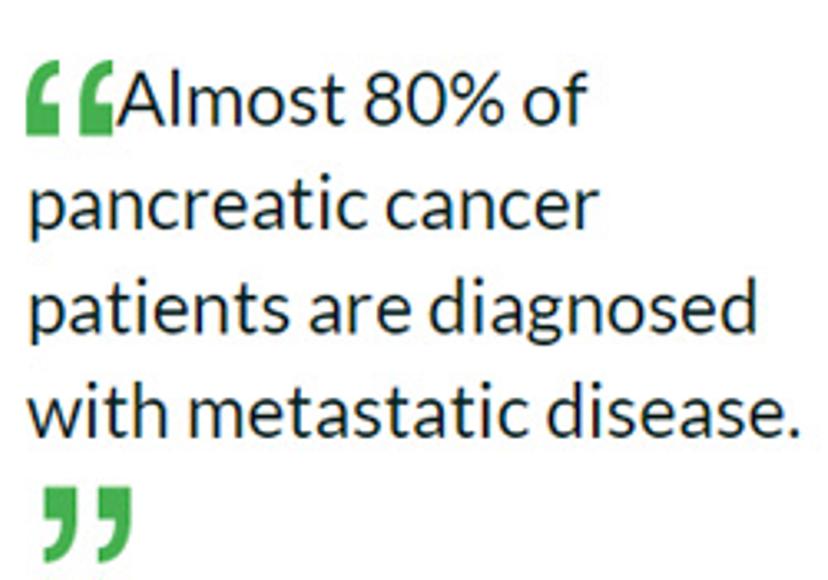
Pancreatic cancer is the deadliest form of cancer, with less than 1% of those diagnosed surviving beyond 5 years. Exciting research being conducted at the Toulouse Cancer Research Center, however, has shown that oncolytic viruses seek out and kill pancreatic tumor cells — even after they’ve spread to the liver. In a compelling interview with Dr. Pierre Cordelier, SelectScience finds out more.

Behind the scenes at the world-renowned Francis Crick Institute
The state of the art £700 million building is home to over 1,000 scientists working at the forefront of medical innovation. In a rare opportunity, SelectScience has been able to interview two leading scientists on camera, based at the Crick Advanced Light Microscopy (CALM) center. Watch the interview to learn more about their groundbreaking work on live-cell imaging in cancer and developmental biology research.

The next generation of targeted immunotherapies
Cell-based immunotherapies have proven to be one of the most groundbreaking developments in oncology. However, a common side effect of T cell therapy is the overproduction of immune cells and their activating compounds, often resulting in multiple organ failure. Scientists at Tessa Therapeutics have discovered that a rational approach to immunotherapy, using virus specific T cells, can effectively target aggressive solid tumors whilst avoiding this deadly side effect. Find out more in this interview with Dr. John Connolly, CSO, Tessa Therapeutics.

Entering an era of high-throughput flow cytometry
Flow cytometry is a powerful tool for the analysis of human samples at the single-cell level and is becoming applicable to a growing number of scientific fields. However, its use in drug discovery and screening assays have, until now, been hampered by low throughput. In March, SelectScience published a guide on the latest technologies advancingflow cytometry for screening Download the comprehensive guide here.

Delving deep inside tumors
In an exciting endeavour at the UK’s National Physical Laboratory, known as The Rosetta Project, scientists are working to develop a ‘Google Earth’ of tumors and their microenvironment using the latest mass spectrometry instrumentation. In an exclusive interview, Prof. Josephine Bunch discusses the team’s progress so far, including the development of a method for imaging cancer metabolism in ultra-high resolution. Find out more in the full interview.

Revealed: the science behind deep brain stimulation
In a study conducted by researchers at Imperial College London, it has been discovered that delivering electric pulses to brain cells – a form of treatment used in late-stage Parkinson’s patients – stimulates mitochondria. The team found a greater number of mitochondria, that were larger in size, in those that had received the therapy. These findings have the potential to unearth new possibilities for mitochondrial-based therapy in this debilitating disease. Read more here.