6 Trending Cancer Research Videos on The Scientists' Channel

Connect with scientists around the world and discover the latest innovations in cancer research with videos from The Scientists' Channel

16 Jun 2019

Charlie Carter
Life Sciences Editor

Editorial article

The Scientist’s Channel enables scientists to present their work and share innovations and expertise by broadcasting to a global audience through a fully moderated, trusted and independent platform. In this article, discover six of the latest cancer research videos published on The Scientists' Channel.

Applying Light Microscopy Technology for Developmental Biology and Cancer Research at The Francis Crick Institute

Dr. Kurt Anderson, Head of Light and Imaging Analysis at The Francis Crick Institute, shares the numerous techniques and innovations of The Crick Advanced Light Microscopy Facility (CALM). The facility provides light microscopy and image analysis services to a wide range of research projects in the institute, primarily focusing on developmental biology and cancer research.

Photodynamic Treatment of Cancer

Dr. Theodossis Theodossiou discusses his team’s cutting-edge research into curing cancer with photodynamic therapy (PDT). PDT is an exciting anti-cancer treatment, currently used clinically. It works by using light, a photo-activatable drug and oxygen to kill cancer, where the specificity of the treatment depends on which wavelength of light is applied. In this video, Dr. Theodossiou describes how his team are working to improve the efficiency and accuracy of PDT through a variety of methods.

A Novel Target to Inhibit Glioblastoma Invasion
Dr. Aleksandra Dukic, postdoctoral researcher, Institute for Cancer Research, Oslo University Hospital, describes a novel target for inhibiting glioblastoma cancer invasion into surrounding brain tissue and the importance of this work in addressing the need for innovative therapeutics to combat this aggressive cancer. Hear how the culture and analysis of glioblastoma patient-derived cells are vital to her work.

High Definition Biology: Technologies Advancing Cancer Research and Diagnostics

Tony Dickherber, SLAS Committee member, and Program Director at the National Cancer Institute (NCI), explores emerging technologies in cancer diagnostics and monitoring, including high-speed, high-throughput, multiplex assays, and how they contribute to developing effective cancer treatments.

Results of the Monarch 2 Study Revealed at AACR 2019

In this video, Dr. Sara Tolaney explains how her team uses digital droplet PCR to assess for PICK-3CA and ESR-1 mutations, highlights the importance of obtaining real-time genomic information, and discusses what they are hoping for in future research.

Evaluating Tumor Mutational Burden with NGS
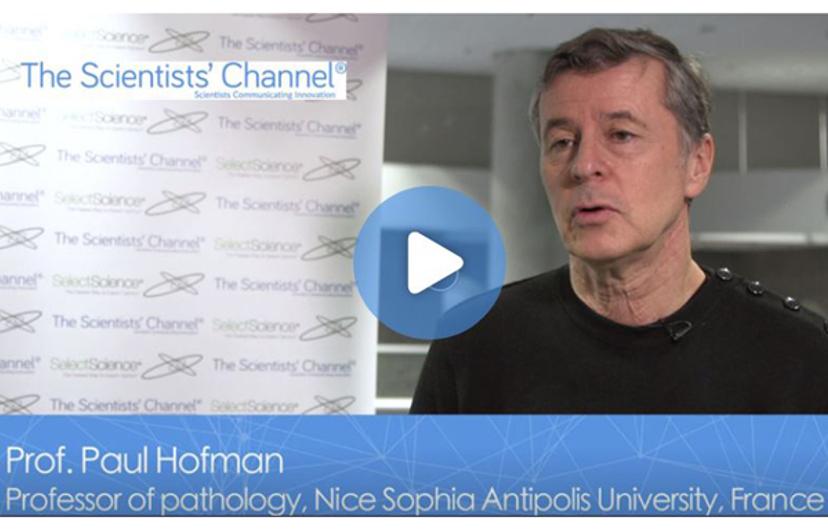
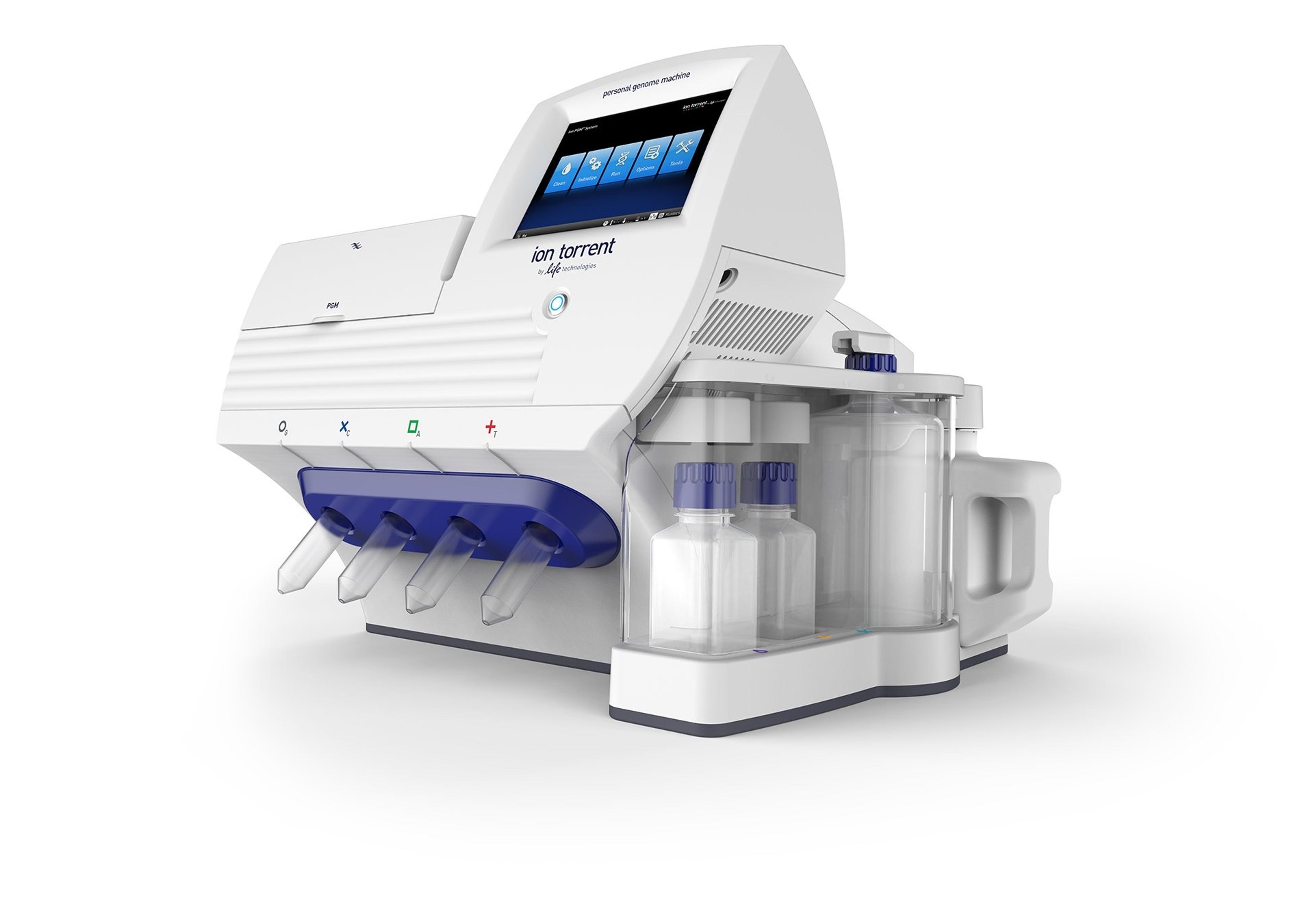
In this video, Prof. Paul Hofman outlines how his team use the Oncomine Tumor Mutation Load (TML) Assay from Thermo Fisher Scientific for next-generation sequencing (NGS) when evaluating tumour mutational burden (TMB).

Plus, two new global events channels!

  • SLAS is a community for over 19,000 life sciences discovery and tech professionals which hosts a thriving International Conference & Exhibition annually and has recently launched a new European showcase. Now it has its own video channel too, featuring leading scientists discussing their research. Check it out here.
  • The European Laboratory Research & Innovation Group’s key aim is to provide leading-edge knowledge to the life sciences community - and now ELRIG has a brand new video channel to do just that. Check it out here.

Visit The Scientists' Channel to stay up-to-date on the latest videos>>

Links

Tags

PCR and Thermal CyclingPolymerase chain reaction (PCR) kits and thermal cyclers are used for the in vitro amplification of DNA permitting subsequent analysis and experimental procedures. Explore a range of high-quality polymerase, primers and nucleotides or simplify your workflow with a PCR mastermix. Find reverse transcription PCR (RT-PCR) and cDNA synthesis kits for RNA products and libraries. Quantitatively measure the amplification of DNA with real-time PCR (qPCR) and droplet digital PCR (ddPCR) kits and systems, and discover automated PCR setup solutions to increase throughput. Alternative DNA amplification methods also include recombinase polymerase amplification (RPA) kits. Find the best PCR kits and thermal cyclers and purification equipment in our peer-reviewed product directory: compare products, check customer reviews and receive pricing direct from manufacturers.Labware and Lab SuppliesLabware and lab supplies include various forms of glassware, plasticware, reagents and personal protective equipment (PPE) and are used across all scientific laboratories, enabling daily tasks to be performed. Explore a range of flasks and beakers, petri dishes, carboys and storage bottles. Labware such as condensers, desiccators and burettes are also available for more specific tasks. Find the best labware and lab supplies in our peer-reviewed product directory: compare products, check customer reviews and receive pricing direct from manufacturers.Next Generation SequencingNext-generation sequencing (NGS), also known as whole-genome sequencing, high-throughput sequencing and massive parallel sequencing, produces and analyses thousands to millions of nucleotide sequences at once. Sequencing systems operate via varying technologies depending on the manufacturer, including sequencing by synthesis, ligation, pyrosequencing, ion semiconductor and single-molecule real-time sequencing. For NGS, library preparation is paramount to successful sequencing. In this section, explore a range of library preparation kits, from targeted, amplicon-based or hybridization-based kits including epigenomic, transcriptomic and genomic workflows to fragmentation kits. Find the best next-generation sequencing products in our peer-reviewed product directory: compare products, check customer reviews and receive pricing direct from manufacturers.Light MicroscopyLight microscopes or optical microscopes are used to visualize microscale objects under magnification, including cells, clinical specimens and materials. Lab equipment for light microscopy includes confocal microscopes, fluorescence microscopes, zoom and stereo microscopes. Microscope slides and imaging reagents are available for visualizing samples, as well as various microscope stages and incubators for large or temperature-sensitive samples. Find the best light microscopes in our peer-reviewed product directory: compare products, check customer reviews and receive pricing direct from manufacturers.SLASThe Society for Laboratory Automation and Screening (SLAS) is an organization focused on laboratory automation, high-throughput screening, and biotechnology innovation. SLAS promotes scientific advancements through conferences, publications, and industry collaborations. AACRThe American Association for Cancer Research (AACR) is a leading organization focused on cancer research and treatment. It provides a platform for scientists, healthcare professionals, and industry leaders to share knowledge and collaborate in the fight against cancer.Cancer ResearchAlthough cancer is often referred to as a single condition, it actually consists of more than 100 different diseases. Microscopy, mass spectrometry, high throughput sequencing and flow cytometry are some of the most common techniques employed in cancer research labs.