5 essential resources to streamline your drug discovery and development processes

Explore the latest application eBooks with top tips on biopharmaceutical characterization and high-content screening

7 Jan 2022

Blake Forman
Content Creator

Editorial article

Drug discovery application eBooks

In this article, we have compiled the latest free application eBooks with all the information you need to improve your drug discovery and development processes. Read on to discover how to achieve deeper characterization of biotherapeutics and explore the latest trends in immunoassay technology. Plus, gain insight into how to successfully develop methods for antibody-based therapeutics and more.

Biopharmaceutical characterization: Improve predictive screening

Due to their large size and complex structures, characterizing biotherapeutics requires robust and demanding analytical techniques. In this eBook, discover how you can achieve deeper characterization of biotherapeutic proteins using light scattering techniques.
Download guide>>

Your guide to miniaturized immunoassays for biotherapeutics

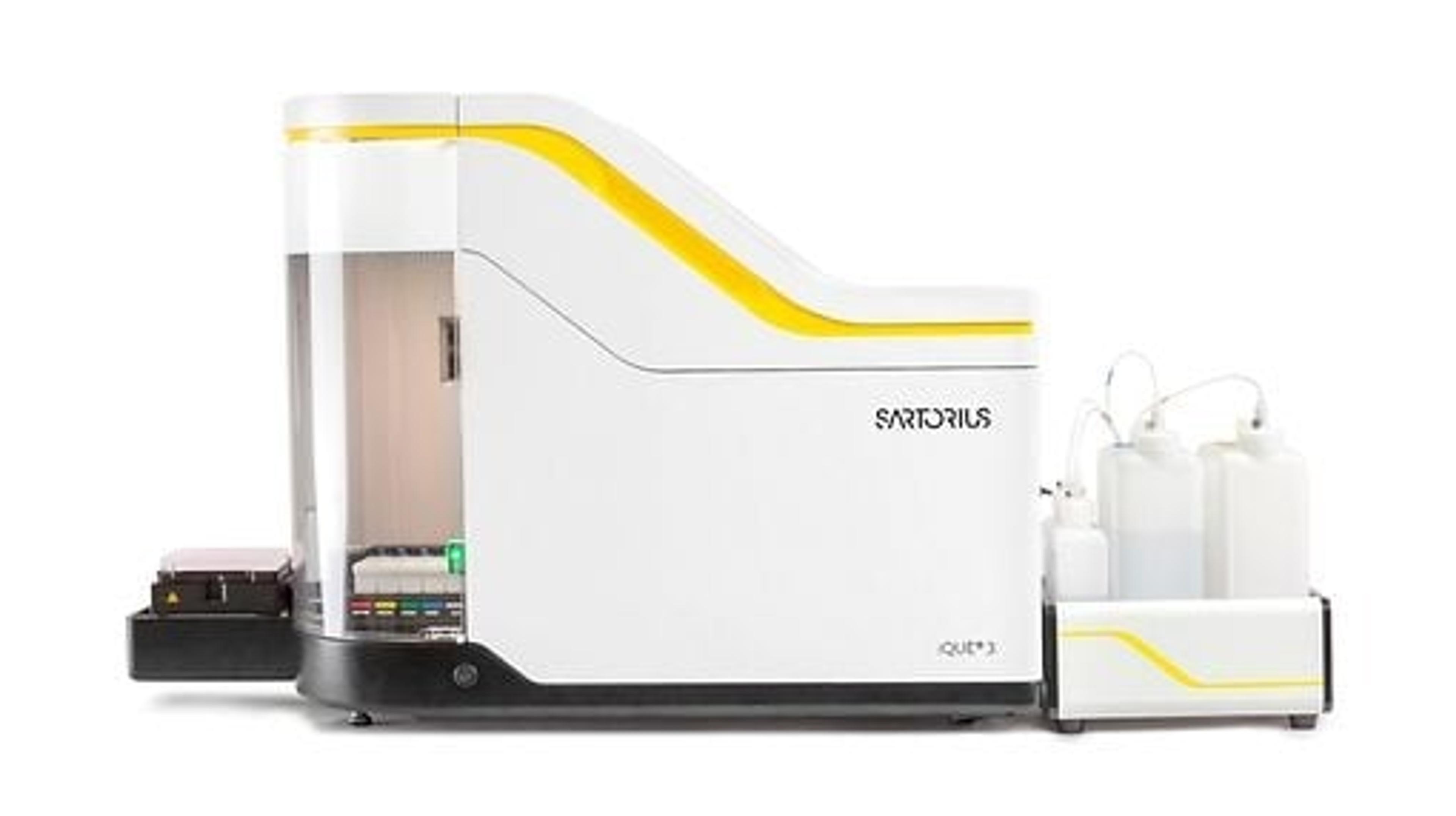
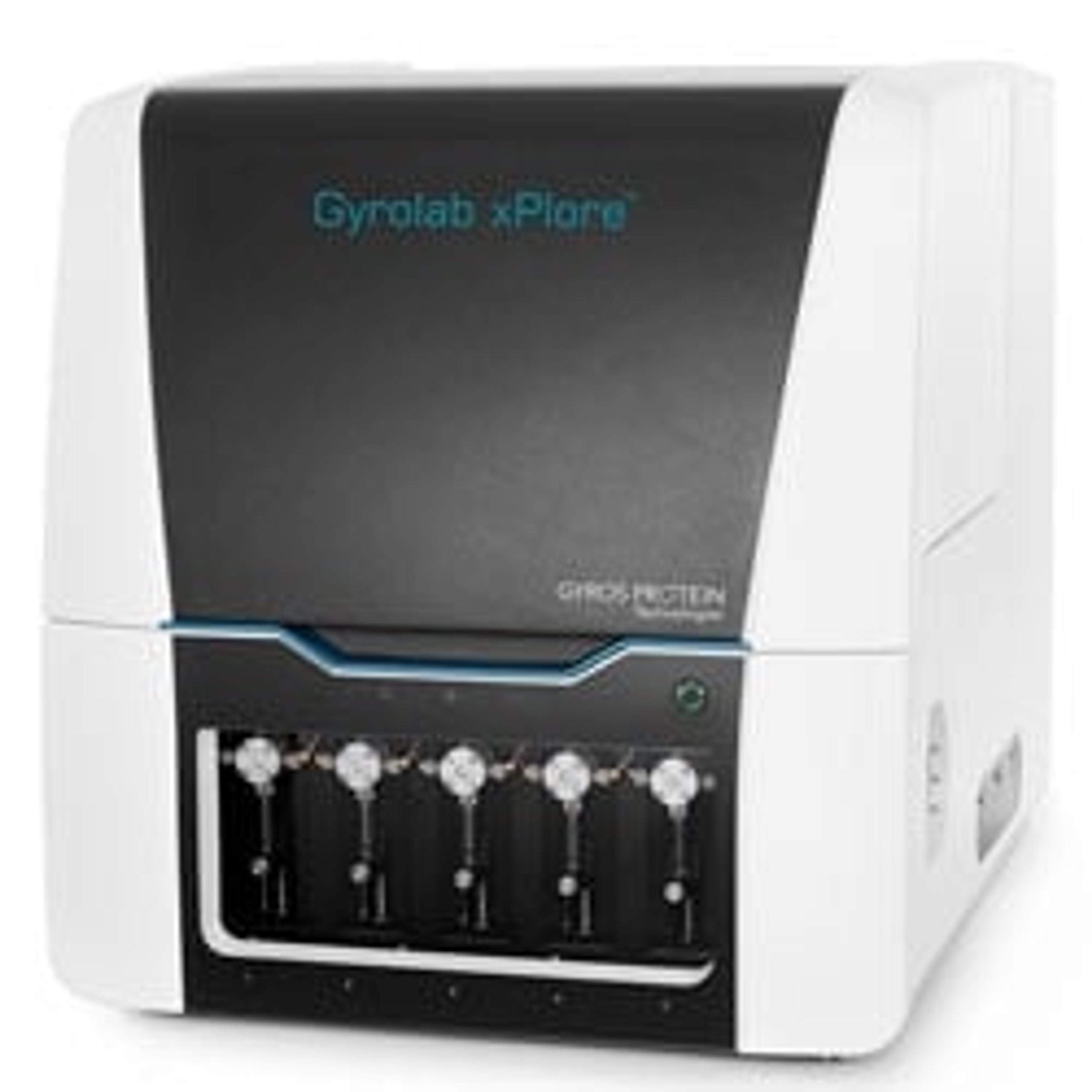
Explore the advantages of automated, miniaturized immunoassays across the drug development pathway, from pre-clinical to bioprocessing, and discover how automated, miniaturized immunoassays can help you maximize productivity.
Download guide>>

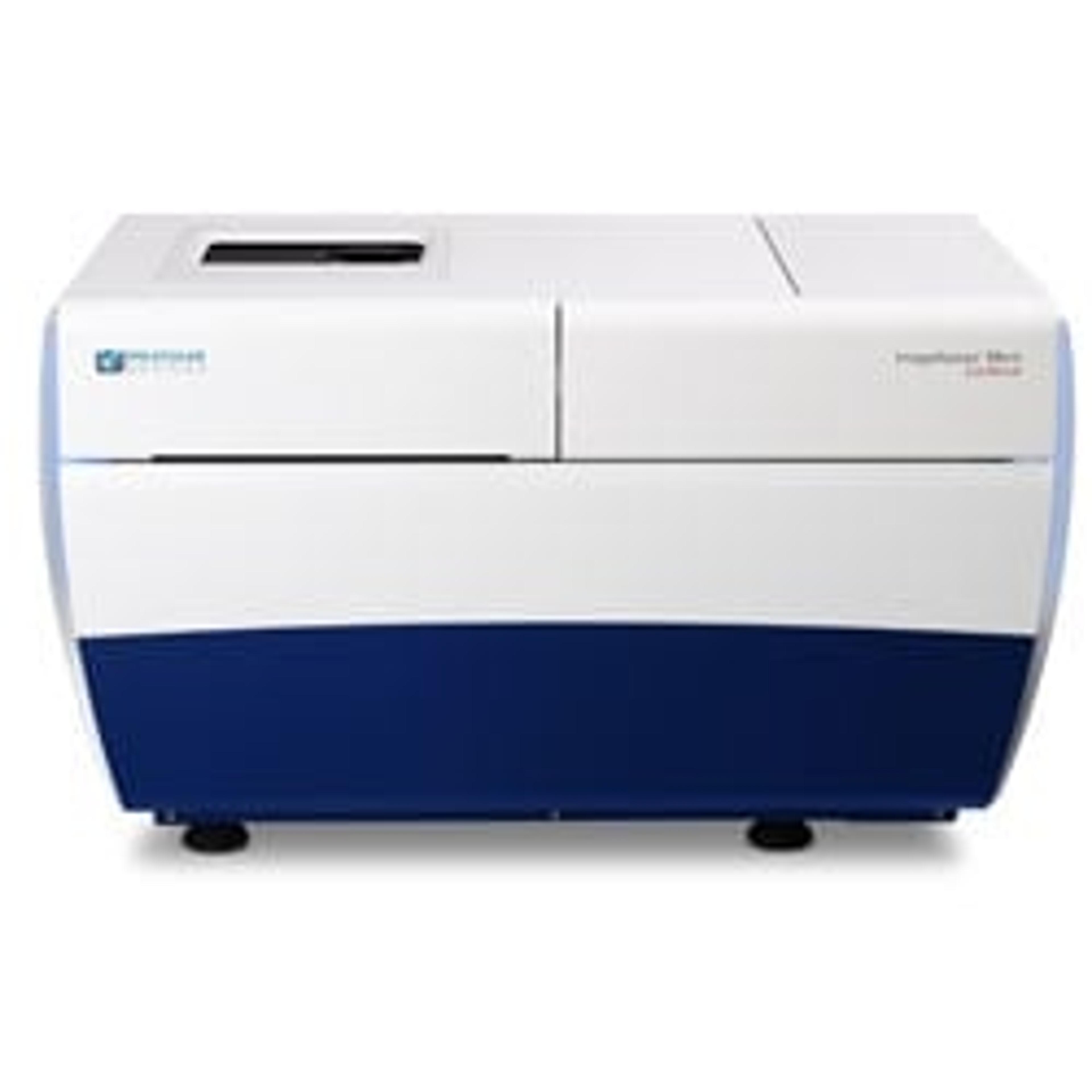
High-content imaging for diverse 3D cell culture models

Learn how to capture in-depth and high-quality images of spheroids, stem cells, organs-on-chips, and whole organisms, and read case studies from the scientists developing 3D cell assays to delve into the complex biology of neurodegenerative disease, angiogenesis, and tumor microenvironments.
Download guide>>

Development of next-generation antibodies for therapeutics

The discovery and development of monoclonal antibodies (mAbs) has led to an improved understanding of their therapeutic potential against emerging infectious diseases. In this application guide, we look at some of the successful discovery and development methods for monoclonal antibody-based therapeutics.
Download guide>>

Lab weighing: Achieve compliance with ease

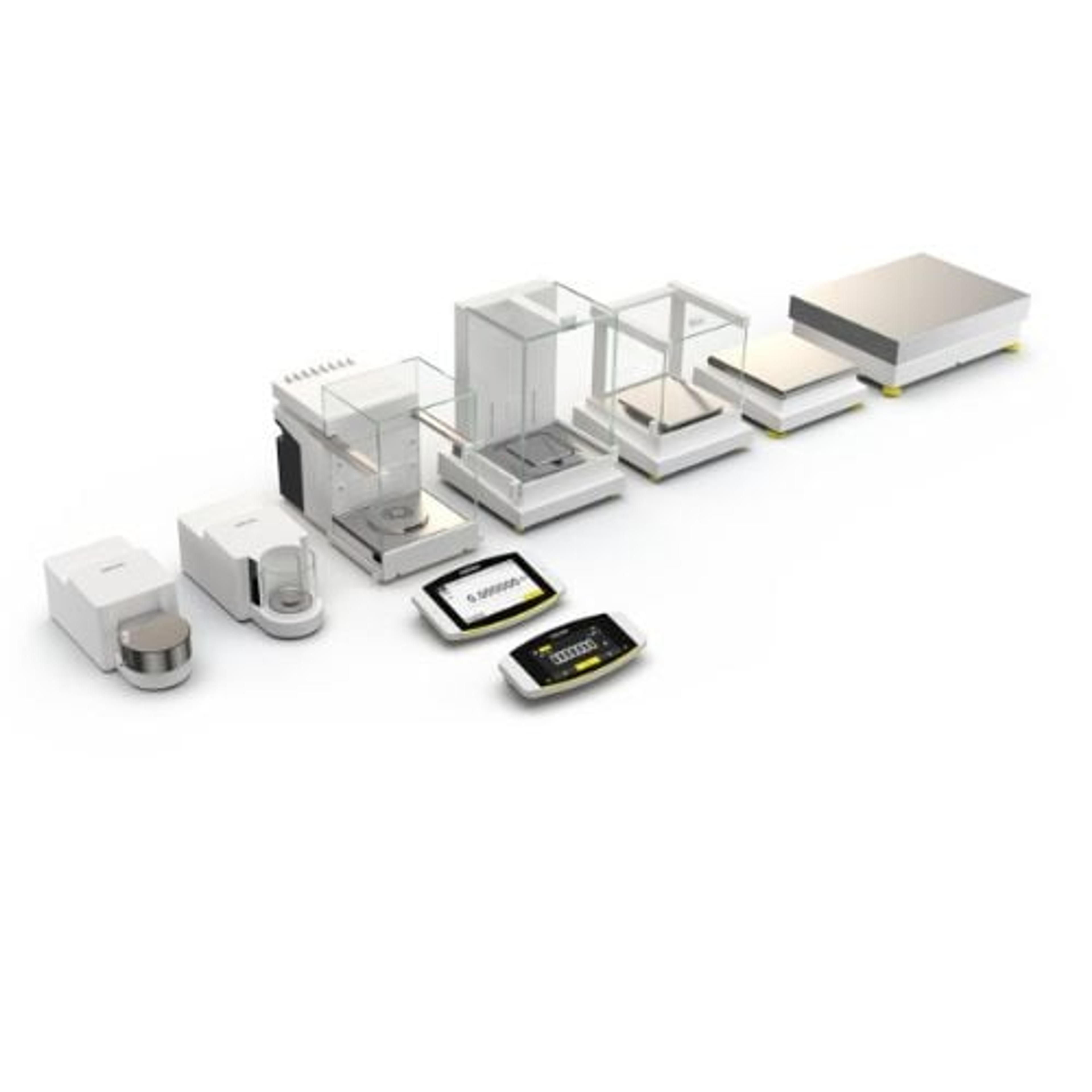
Matching the ever-demanding regulatory needs of the pharmaceutical industry can be challenging and introducing fully compliant instrumentation and protocols into your lab is a huge step in the right direction towards meeting these requirements. Here, explore the importance of weighing compliance in the regulated lab and discover tools to achieve greater lab efficiency.
Download guide>>

Related drug discovery and development resources:

  • Navigating the revised European Pharmacopoeia chapter 2.1.7 “Balances for analytical purposes”: Following the release of the revised Ph.Eur., we spoke with Dr. Julian Haller, metrology engineer from Sartorius, who was involved in writing this new chapter, to help answer some frequently asked questions. This guide contains all the need-to-know information on how this update will affect your drug manufacturing processes. Read article>>
  • Biophysical characterization of protein reagents: The quality of protein reagents is critical to ensuring reproducibility and consistency for research. In this webinar, Deborah Moore-Lai, director of protein development at Abcam, will introduce a new protein product line and discuss the approach taken at Abcam to ensure batch-to-batch consistency of these proteins. Register now>>
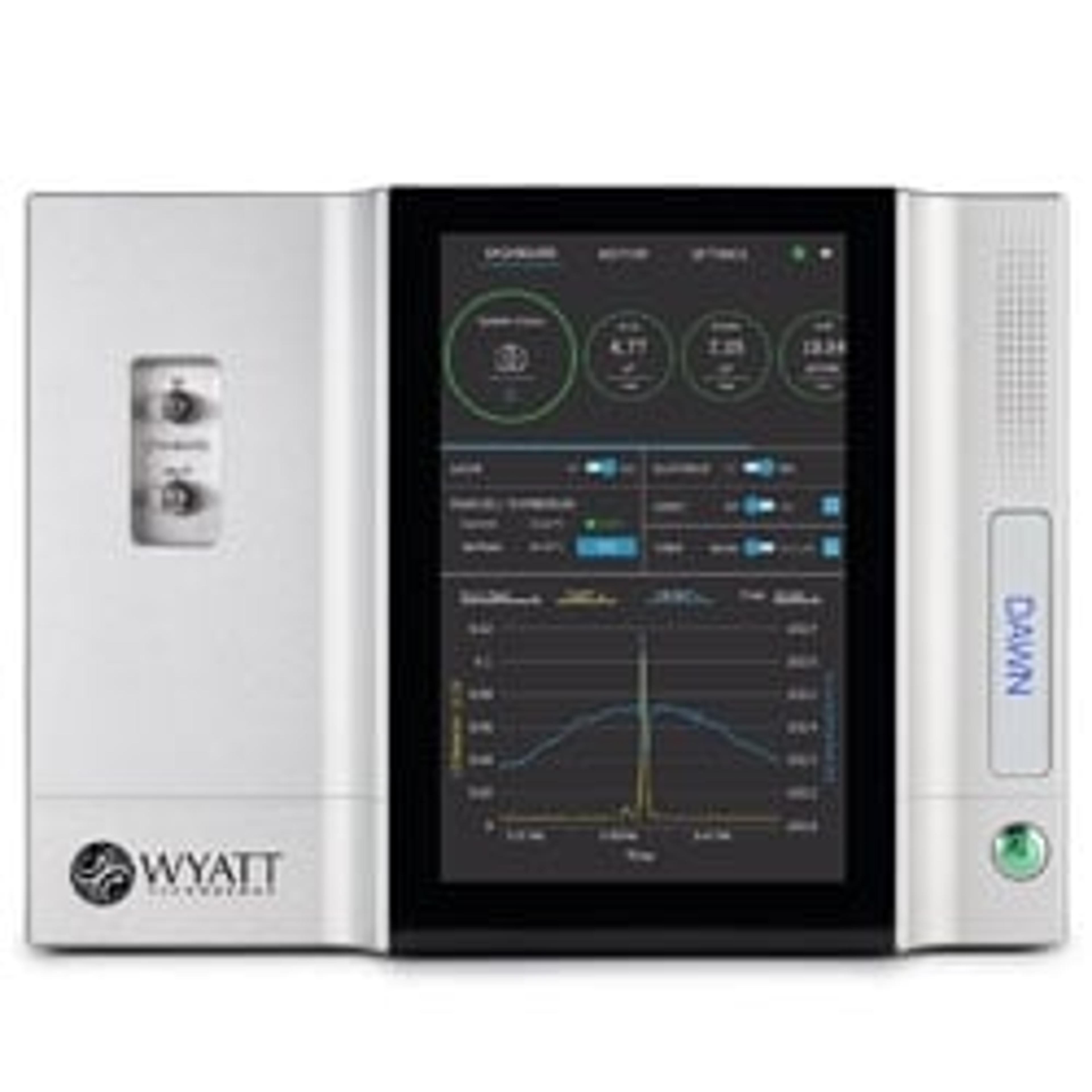
  • Shared knowledge: Read reviews left by other drug discovery scientists to help you choose the best instruments for your lab or share your opinion to help your peers by writing your own review today. Read one of our latest reviews below by Larry Li from Merck about the DAWN multi-angle light scattering (MALS) detector.
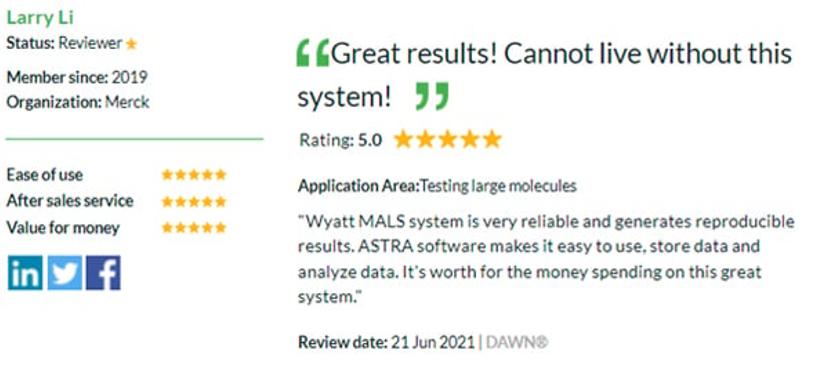
5 star review for the Dawn multi-angle light scattering detector by Wyatt Technology

You can find more drug discovery and development content on SelectScience here >>
Links

Tags

Cell / Tissue CultureCell culture or tissue culture is used to study the biology of cells or tissues and to isolate cellular products in an environment which can be manipulated and well defined. Accurately control your culture environment with bioreactors or culture incubators, bind your cells to a surface or together with an extracellular matrix. Distinguish cell types with differential media or proliferate cells with certain characteristics using selective media. Enrich your media with supplements such as growth factors, sera and vitamins. Find the best cell and tissue culture products, kits and equipment in our peer-reviewed product directory: compare products, check customer reviews and receive pricing direct from manufacturers.ProteomicsProteomics is the systemic bioinformatics study of proteins and amino acids, including their structure, size, function and identification. Tools used in proteomics include chromatography, blotting and gels, protein arrays, mass spectrometry and ELISA and associated analysis software. Analyzers and proteomic systems should be sensitive, high resolution, fast and may be automated for high-throughput.High-Throughput ScreeningHigh-throughput screening (HTS) is an automated drug discovery technique for identification of active compounds against a compound library. Use HTS readers and integrated assay preparation / analysis workstations to screen your compounds. Identify active compounds against various HTS libraries, including membranes, proteins and peptides and HTS cell lines. Find the best high-throughput screening products in our peer-reviewed product directory: compare products, check customer reviews and receive pricing direct from manufacturers.Assay AssemblyAssay Assembly is technique used in drug discovery to develop assays to test the cytotoxicity, genotoxicity, or other activities of a compound on a cell. Assay assembly requires chip assembly, a delivery system and a detection and analysis method. Beneficial features of assay kits or automated systems include high-throughput, high speed and sensitivity and low signal to noise ratio.Microarray AnalysisMicroarrays, also known as biochips, are used for the detection and analysis of multiple genes, proteins, antibodies, or biomarkers on a single microchip. This can reveal information on protein or gene expression, single nucleotide polymorphism (SNP), copy number variation (CNV), epigenetics and patient health in clinical diagnostic tests. Discover a range of microarray scanners and prefabricated antibody, protein, RNA and DNA microarrays for your analysis or consider creating your own custom microarrays with a microarray printer. Find the best microarray products in our peer-reviewed product directory: compare products, check customer reviews and receive pricing direct from manufacturers.Cell-Based AssaysCell-based assays are used to monitor the presence, quantity and activities of a desired cellular analyte including drug molecules or biomarkers. This can reveal information on cell health (apoptosis, cytotoxicity, viability and proliferation assays), cell metabolism, cell migration and cell signaling mechanisms. Find the best cell-based assay products, kits and equipment with our peer reviewed product directory: compare products, check customer reviews and receiving pricing direct from manufacturers.High-Content ScreeningHigh-content screening (HCS), also known as high-content analysis (HCA), is a high-throughput technique used in drug discovery to identify substances that alter the phenotype of cells. HCS uses fluorescent microscopic imaging and automated image analysis to investigate cellular events such as apoptosis, cell viability, GPCR activation, oxide production, neurite outgrowth, and cell signaling. Find the best fluorescent labeling reagents, cellular assays, and high-content imaging systems in our peer-reviewed product directory: compare products, check customer reviews and receive pricing direct from manufacturers.Protein PurificationProtein purification is a vital step in drug discovery, therapeutics, biotech and life science research. The purification process typically involves subcellular or membrane protein extraction with cell lysis kits, separation of proteins from cell debris by filtration or spin columns, and the isolation of proteins of interest from other proteins and impurities with affinity purification (including fusion protein tags and antibody binding proteins A, G and L), immunoprecipitation or chromatographic methods, such as ion exchange, size exclusion and immobilized metal affinity chromatography. All purification methods come in multiple formats for your laboratory needs, including agarose or magnetic beads, resins, columns and filter plates. Find the best protein purification equipment in our peer-reviewed product directory: compare products, check customer reviews and receive pricing direct from manufacturers.Biopharmaceutical AdvancesBiopharmaceutical advances follow the development of pharmaceuticals derived from biotechnology, also known as biotechnology medicines. Biopharmaceuticals may be produced from cell lines, plants, or microbial cells. Important considerations of biopharmaceutical use include application, cost, production process and purification.RegulatoryPharmaceutical regulations impact on all areas of drug development, manufacture and control and supply. Services are provided from the early stages of drug development and clinical trials through to dossier submission, approval and marketing. Regulatory also includes submission of analytical studies from the pharmaceutical product and safety. High Content ImagingHigh content imaging is a method combining two or more fluorescent microscopy experiments to identify substances that alter a cell’s phenotype in a desired manner. The process is adapted to multi-well plates and both the image acquisition and analysis are automated.Drug DiscoveryDrug discovery is the process of identifying potential new medications, involving stages such as target identification, compound screening, and preclinical development. It relies on cutting-edge technologies like high-throughput screening, artificial intelligence, and molecular modeling to accelerate the identification of drug candidates. Drug discovery plays a pivotal role in developing new therapies for diseases ranging from cancer to rare genetic disorders. Browse our peer-reviewed product directory to find the latest drug discovery technologies, compare options, check customer feedback, and get pricing directly from manufacturers.Drug DevelopmentDrug development refers to the process of bringing a new drug to market.