Product NewsSpectroscopy

Over 50 years of Raman spectroscopy

7 Mar 2025
Over 50 years of Raman spectroscopy

Raman spectroscopy, first discovered by Sir C.V. Raman in 1928, is a powerful analytical technique used to study molecular structures by analyzing light scattering. Initially, its adoption was limited due to weak signal detection and interference from fluorescence and stray light. Early Raman instruments relied on mercury arc lamps and photographic plates, requiring long exposure times. The introduction of lasers in the 1960s transformed the field, paving the way for the first commercial Raman spectrometers in 1966.

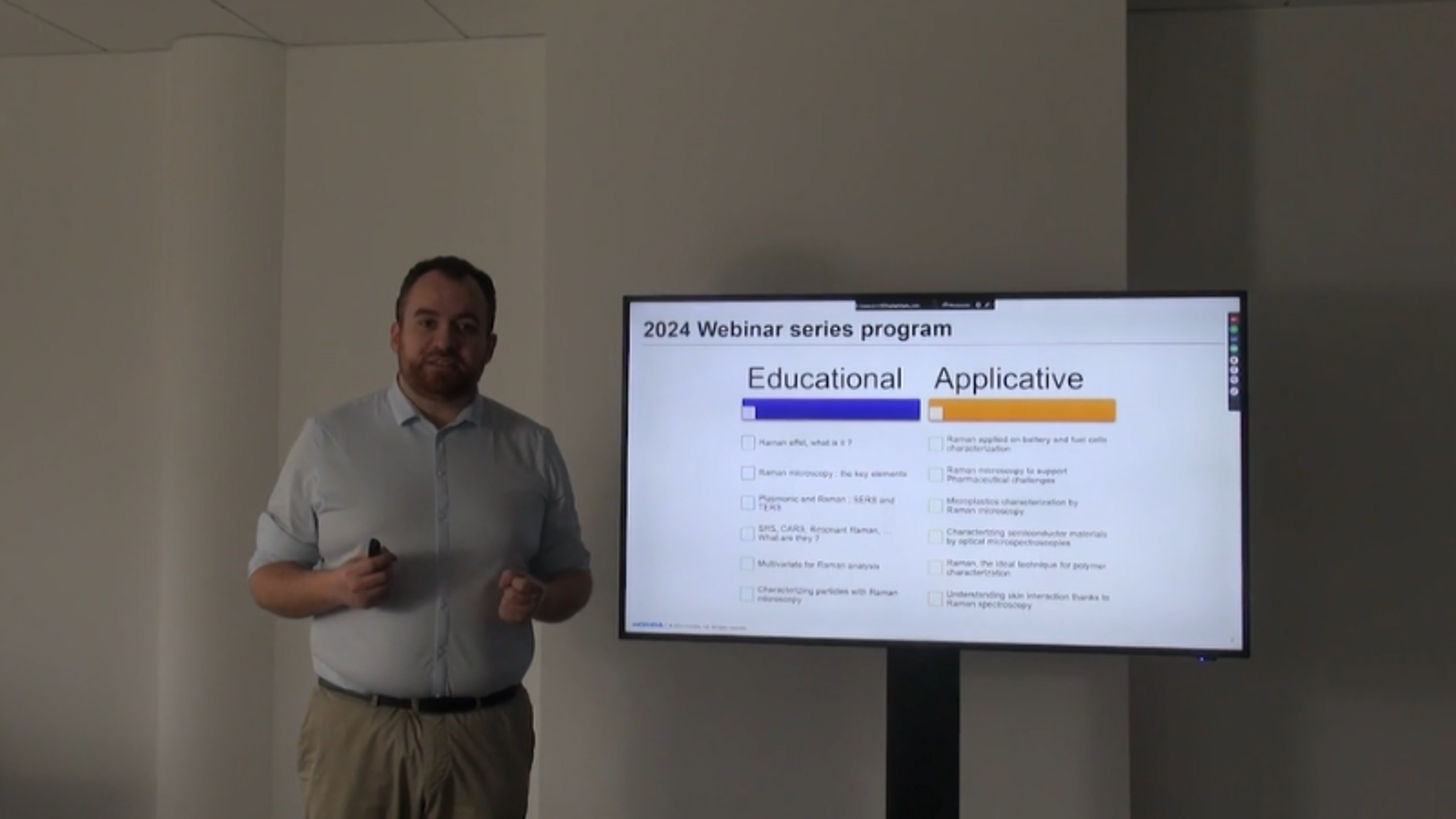
In this video, HORIBA celebrates being a leader in Raman spectroscopy innovation for over 50 years, driving advancements in precision and efficiency.

About the company

HORIBA Scientific logo

HORIBA Scientific

Optical spectroscopy has played a key role in the development of modern physics, from the early confirmation of quantum mechanics predictions of the spectrum of hydrogen to the observation of stars and interplanetary matter by astronomers refining their theory of the universe. Today, optical spectroscopy has become a routine method for the physicists and the astronomers, but also gained acceptance with chemists, biologists and metallurgists, amongst others.

At the heart of an optical spectroscopy apparatus, the single device most closely associated with spectroscopic performance is the diffraction grating. It is therefore no surprise to see that the study and manufacture of diffraction gratings remain the domain of excellence of HORIBA Jobin Yvon and a select few competitors worldwide.

With its R&D Centres located in Edison (New Jersey, USA) and in Longjumeau (France, in the heart of the French Optics Valley), HORIBA Jobin Yvon employs more than 70 Ph.Ds, an unequalled force focusing on the advancement of diffraction gratings and their applications to optical spectroscopy. HORIBA Jobin Yvon can call upon the Kyoto R&D Centres of its parent HORIBA, and in particular its "Optical Frontier" project studying nanosystems. Each year the HORIBA Jobin Yvon R&D teams are granted more than 10 patents worldwide.
4.5/5.0
|97 Reviews

XploRA™ PLUS

HORIBA Scientific

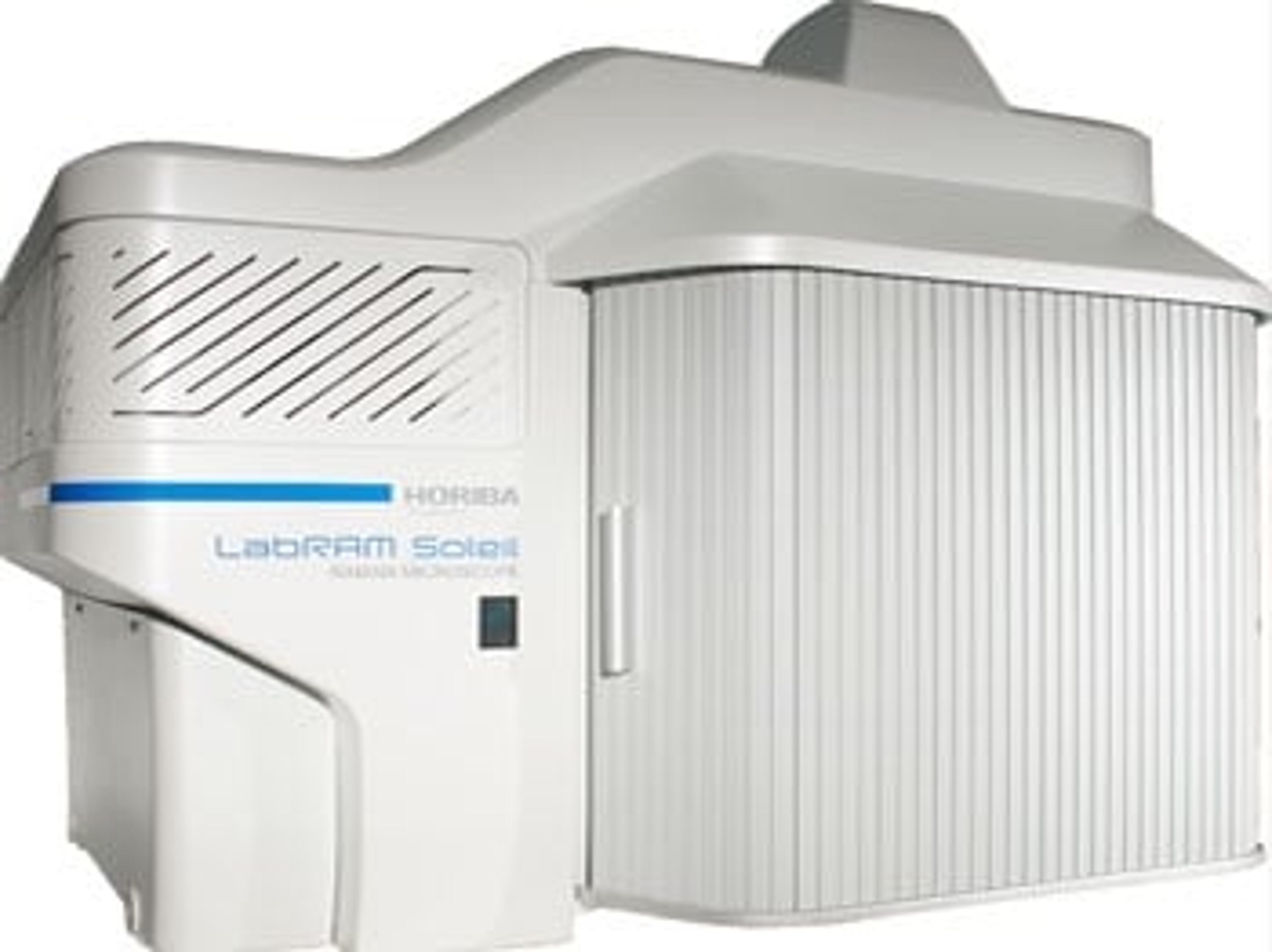
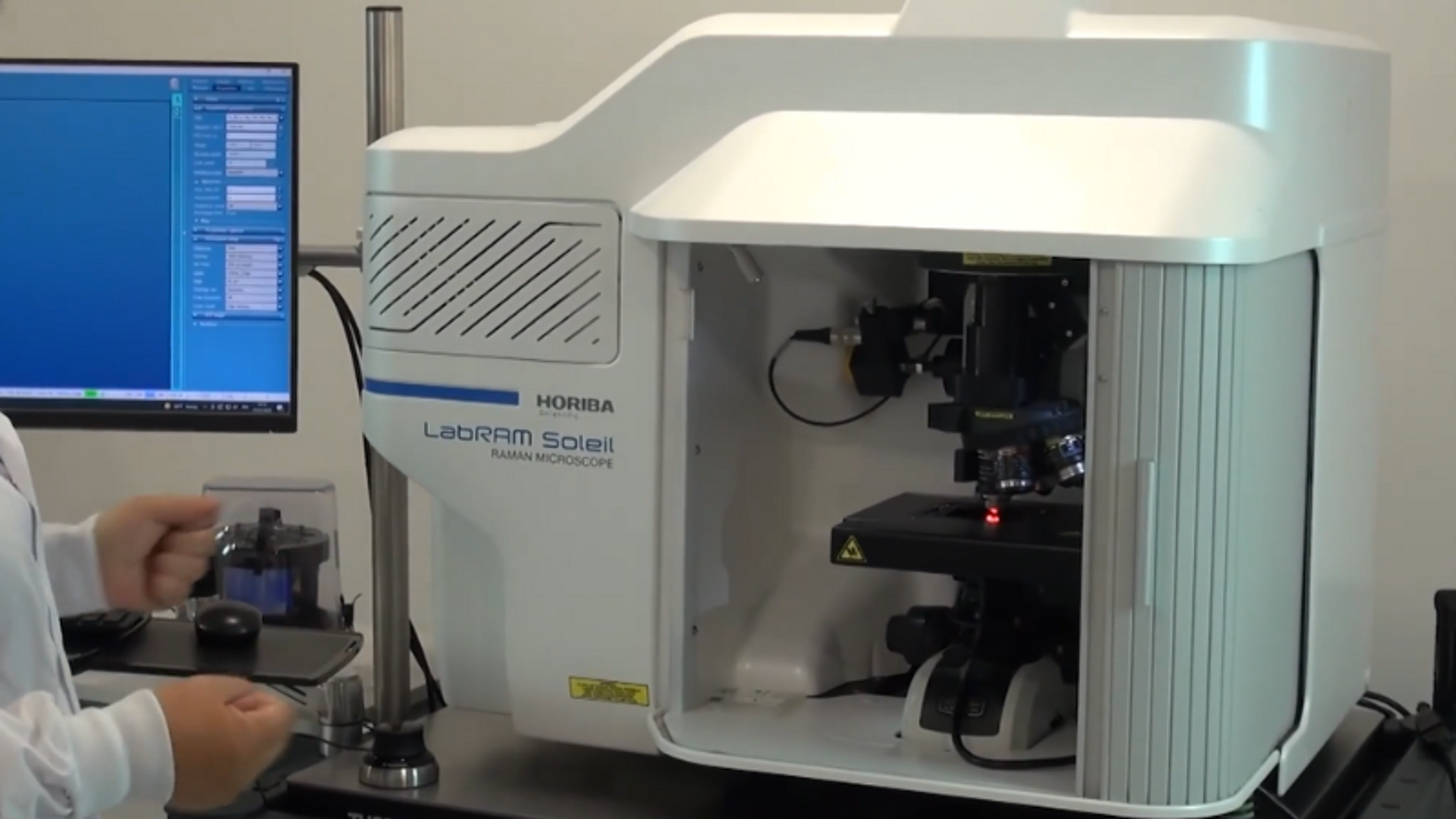
Raman imaging has never been so fast! Incorporating unique and powerful functions in a reliable, high performance system, ideally suited to the research and analytical lab, the XploRA PLUS is our best multi-sample, multi-user Raman microscope ever.It is fully confocal, not compromising image quality, spatial or depth resolution. The SWIFT Fast Raman images are the fastest fully confocal Raman images available, typically 10x faster than conventional Raman imaging.The simplicity and power of the XploRA PLUS is unmatched with an enhanced range of options such as multiple laser wavelengths, EMCCD detection, Raman polarisation and even Raman-AFM combination.XploRA™PLUS Features: SWIFTTM 10x faster Raman imaging Improved detection and sensitivity Full Confocality for complete image detail Full optical microscope so you can see your samples Maximum detail, resolution and range for enhanced spectroscopy HORIBA’s OneClick easy Raman analysis NIST traceable and patented Autocalibration options for validated results Ultimate optical stability- robust, reliable, long term operation Automated operation offering simple, powerful reliability 2 year base unit warranty as standard

(7)

Other videos from HORIBA Scientific

Links

Tags

Raman SpectroscopyRaman spectroscopy is used to discern the vibrational and rotational states of molecules and hence the chemical composition of a sample by measuring the inelastic scattering of monochromatic light. Explore a range of Raman spectrometers, including handheld/portable Raman spectrometers for QC/QA labs and in situ spectrometers for processes. Conduct Raman imaging for microanalysis of mixed samples using a Raman microscope. Raman spectrographs are also available. Find the best Raman spectroscopy products in our peer-reviewed product directory: compare products, check customer reviews and receive pricing direct from manufacturers.Elemental AnalysisElemental analysis involves determining the elemental composition of a sample, often used in environmental, pharmaceutical, and material sciences. Techniques like ICP-MS, X-ray fluorescence, and atomic absorption spectroscopy allow precise quantification of elements such as metals and nonmetals in complex matrices. Browse our peer-reviewed product directory to find the best elemental analysis tools, compare products, check reviews, and get pricing directly from manufacturers.