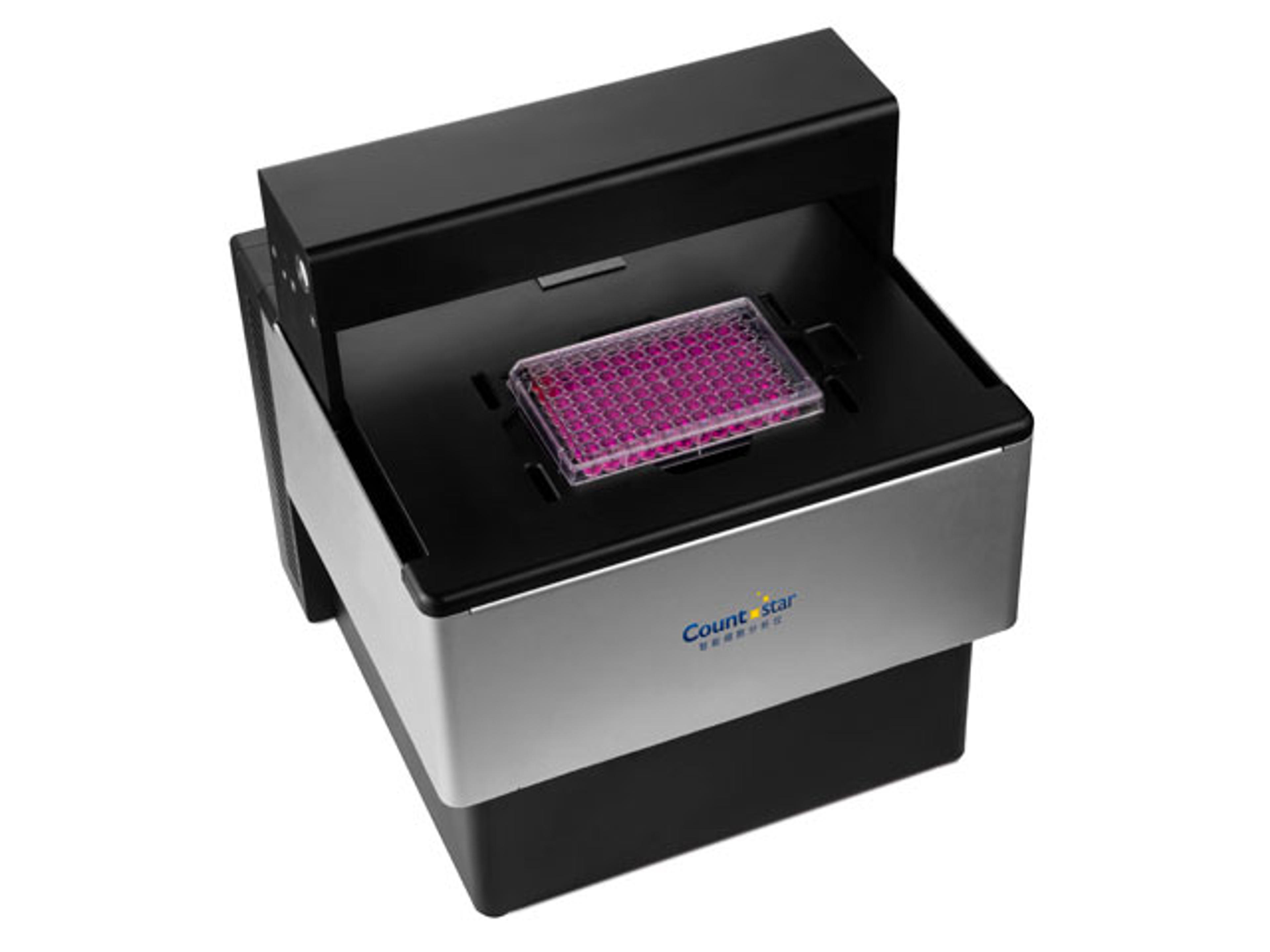
Countstar Spica real-time live cell imaging and analysis
8 May 2025In this video, ALIT LifeTech presents the Countstar Spica M1, an advanced live cell analysis system designed for both 2D cell cultures and 3D organoids. Engineered for flexibility and ease of use, the Spica M1 enables researchers to seamlessly switch between diverse live cell assays using existing lab tools. With real-time imaging, AI-powered analysis, and high-resolution scanning, it supports applications across life science research, drug discovery, and cell therapy development.
About the company

ALIT LifeTech Inc
ALIT provides advanced, high-quality research and manufacturing instruments for life science and biopharmaceutical industries. We develop and manufacture innovative cell analyzers, bioreactors, and organoid culture systems to meet the rapidly growing demand of cell-based research and therapeutic development. We are committed to continued technology innovation and strive to be the world leader in serving science. Our mission is to enable our customers to make the world healthier and happier.