SelectScience InterviewsLife Sciences

Analysis of nanoparticles using flow cytometry

13 Jun 2024
Analysis of nanoparticles using flow cytometry

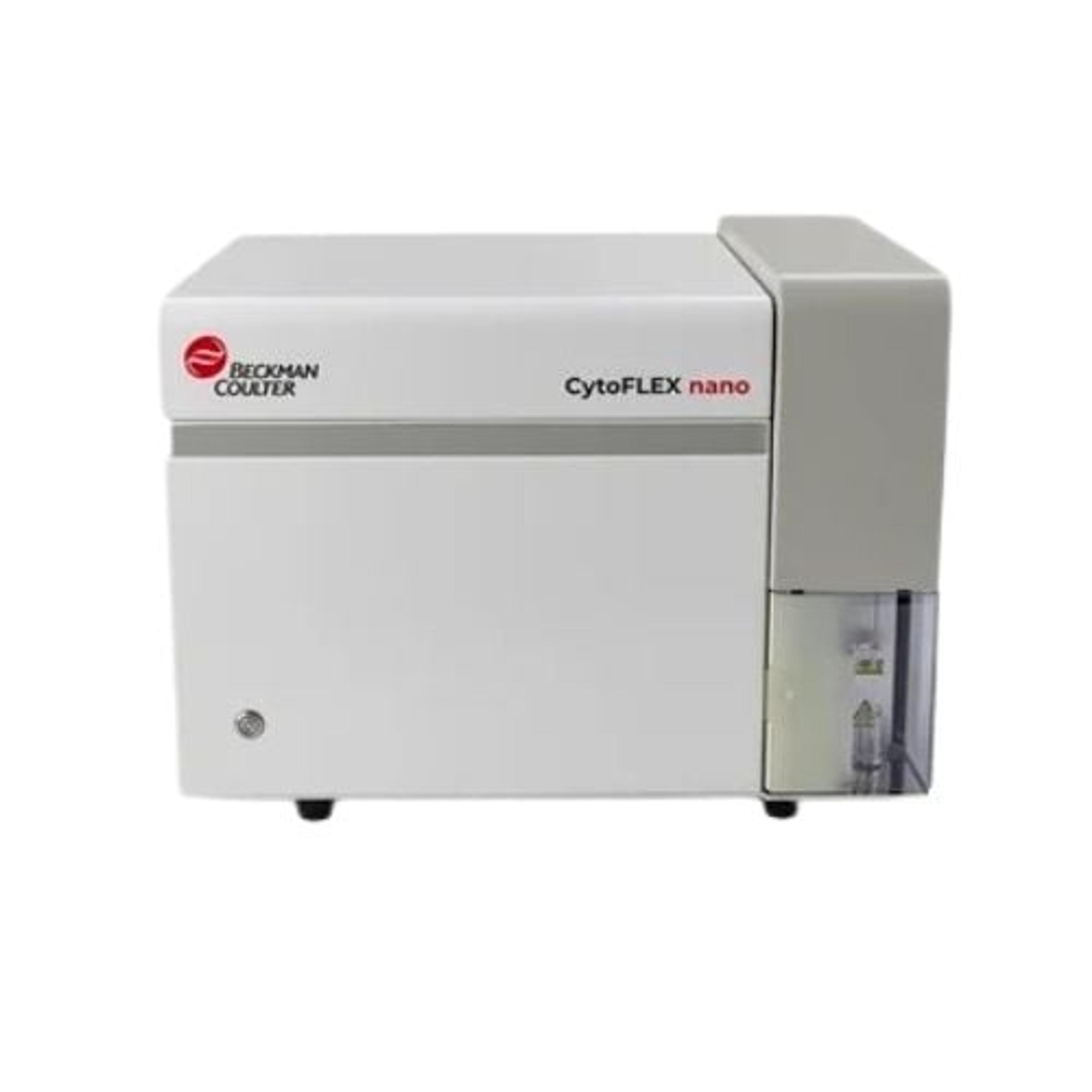
In this video, Dr. Alfonso Blanco, Director of the Flow Cytometry Core at University College Dublin, discusses his role in supporting scientists using flow cytometry and shares his experience with the CytoFLEX Nano. Discover how this instrument enhances sensitivity, fluorescence scattering efficiency, and flexibility for small particle analysis. Dr. Blanco also highlights the importance of an easy cleaning process between uses and how the CytoFLEX Nano supports this.

This video was filmed at CYTO 2024.

About the company

Beckman Coulter Life Sciences logo

Beckman Coulter Life Sciences

Since 1935, the Beckman name has been synonymous with technologies that simplify and automate lab research and complex biomedical testing. Decades later, our global organization also came to embody the scientific legacy of the Coulter name. Today, Beckman Coulter Life Sciences is a trusted, worldwide resource for tools to help optimize research and manufacturing efficiency. Centrifuges. Particle counters/analyzers. Automated liquid handlers. Flow cytometers. All these products—and many more—continue to make a difference in people’s lives by improving the productivity of dedicated scientists, quality control experts and others. Visit beckman.com to learn more.

4.5/5.0
|256 Reviews

Other videos from Beckman Coulter Life Sciences

Links

Tags

Flow Cytometry / Cell CountingFlow cytometers are used to count, sort and examine multiple characteristics of cells. Other cell analysis equipment includes image cytometers, cell counters, fluorescence-activated cell sorters (FACS), magnetic-activated cell sorters (MACS), and a range of flow cytometry assay kits. Flow cytometers can reveal information on cell viability, cell proliferation, apoptosis and cell cycle progression, as well as identify cell populations and intracellular or cell-surface molecules. Additionally, some flow cytometers, known as FACS, have an additional sorting function after analysis. Cell counters and image cytometers count live and dead cell populations and can also conduct cell proliferation assays. Find the best flow cytometers, cell counters and cell sorters in our peer-reviewed product directory: compare products, check customer reviews and receive pricing direct from manufacturers.MicrobiologyMicrobiology is the study of microorganisms including protists, prokaryotes, fungi, and, often, viruses. Microorganisms are a useful research tool as genetic vectors and, in immunology, for antibiotic susceptibility testing, cellular biology and genetics. Microorganisms commonly grow readily in incubators with microbial culture media; this can contain chromogenic supplements to differentiate between cell lines. Estimate your culture’s density of microorganisms with colony counters, or screen and select colonies for desirable clones with automated colony pickers. Additionally, equipment is available to monitor environments for the presence of microbes and identify with microbial identification instruments. Find the best microbiology products in our peer-reviewed product directory: compare products, check customer reviews and receive pricing direct from manufacturers.FluorescenceThe emission of fluorescence occurs when a photon of energy is supplied to a fluorescent chemical compound by an external source, causing it to become excited. Fluorescence can be detected and measured for different purposes using microplate readers, fluorescence microscopes, fluorescence scanners, and flow cytometers.NanoparticlesNanoparticles are between 1-100nm in size. Nanoparticles can be used for a wide variety of applications including biomedical, catalysis and electronics.