ResourceSeparations
What is thermal desorption?
A guide to the history, principles and applications of thermal desorption for gas chromatography
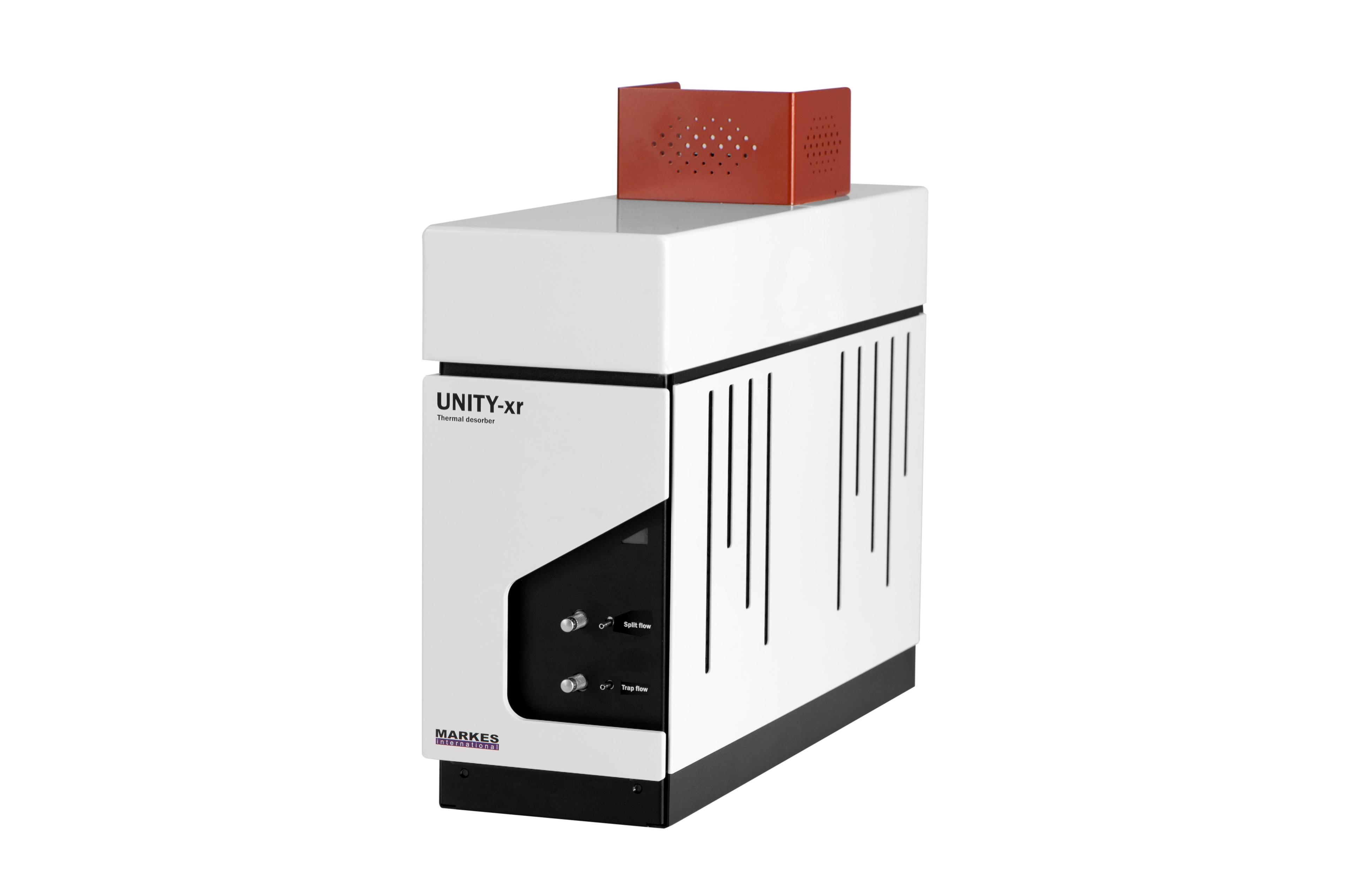
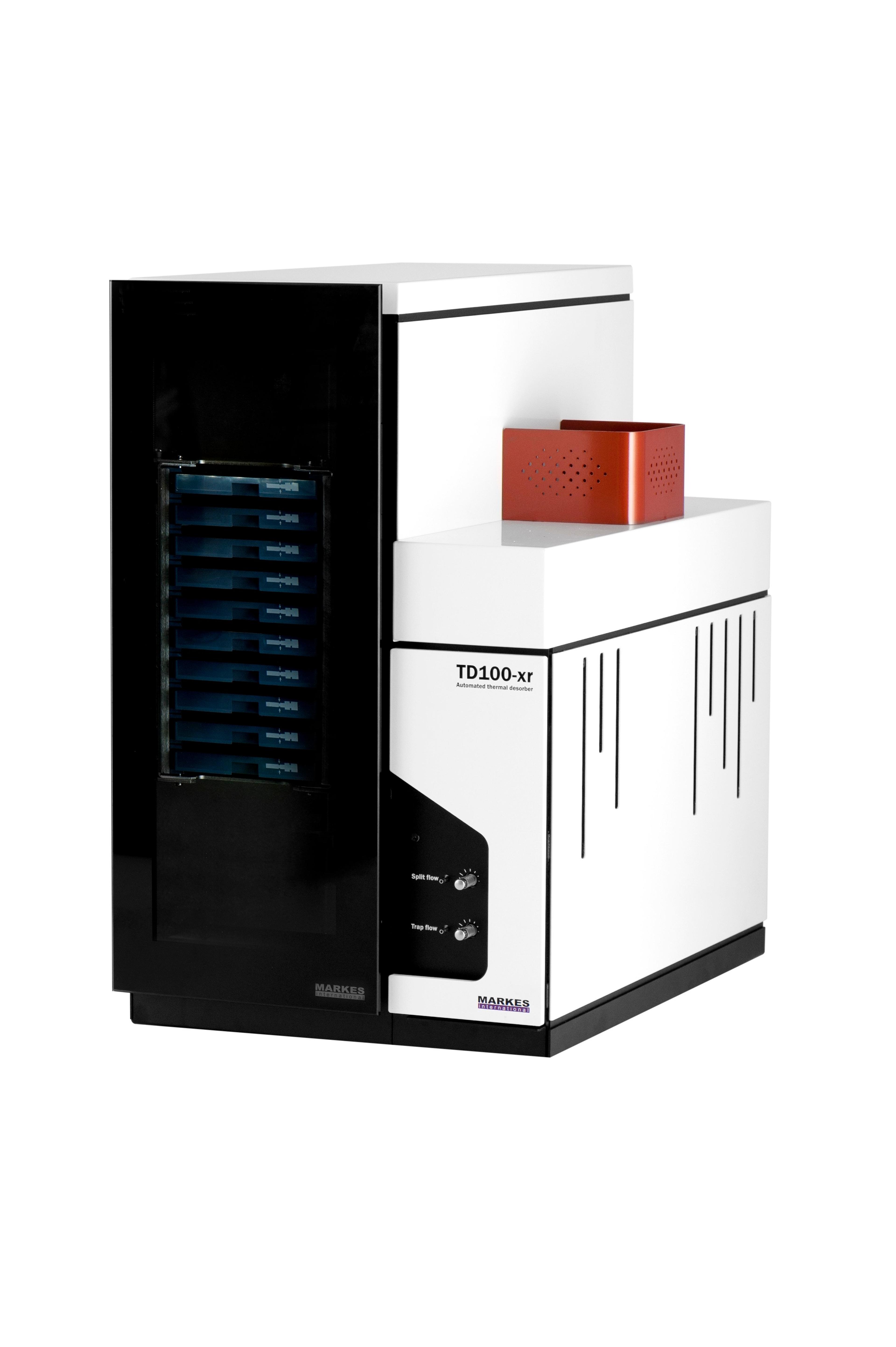
18 Dec 2021In this application note, Markes International offers a guide to the basics of thermal desorption, including the basic principles, applications of the technique, different sampling options and answers how and the benefits of applying thermal desorption across a wide range of scenarios.
Links
Tags
Gas ChromatographyGas chromatography (GC) is an analytical technique used to separate and quantitate mixtures of small and volatile compounds. Gas chromatographs or GC systems include components such as GC columns, detectors, pumps and autosamplers. Choose from packed or capillary GC columns, flame ionization (FID), photoionization (PID) electron capture detectors and selective or non-selective detectors. Find the best gas chromatographs in our peer-reviewed product directory: compare products, check customer reviews and receive pricing direct from manufacturers.Thermal DesorptionThermal desorption is a technique used to release volatile compounds from solid samples by heating them. It is often used in environmental testing and analysis of complex materials. Explore thermal desorption systems in our peer-reviewed product directory; compare products, check reviews, and get pricing directly from manufacturers.Gas ChromatographyGas chromatography (GC) is an analytical technique used to separate and analyze gases or volatile liquids in a sample. It is widely used in environmental testing, food safety, pharmaceuticals, and forensic science. GC is ideal for identifying and quantifying compounds that are gaseous or can be vaporized without decomposition. Browse our peer-reviewed product directory to find the best gas chromatography systems, compare products, check reviews, and get pricing directly from manufacturers.