
ResourceLife Sciences
Transfection efficiency of GFP- and mcherry-expressing HeLas evaluated on a microplate reader
21 Feb 2022Cells are transfected with exogenous DNA to study the regulation of gene and protein expression. To monitor transfection efficiency, a reporter gene is often attached to the gene of interest to monitor its insertion into the cell’s genome. Fluorescent proteins like Green Fluorescent Protein (GFP) are often used as such reporters during transfection efficiency experiments. In this application note, find out how BMG LABTECH readers can reliably detect cells expressing a fluorescent marker down to ~600 cells/well in a 96- well plate.
Related products
Request Quote for All Products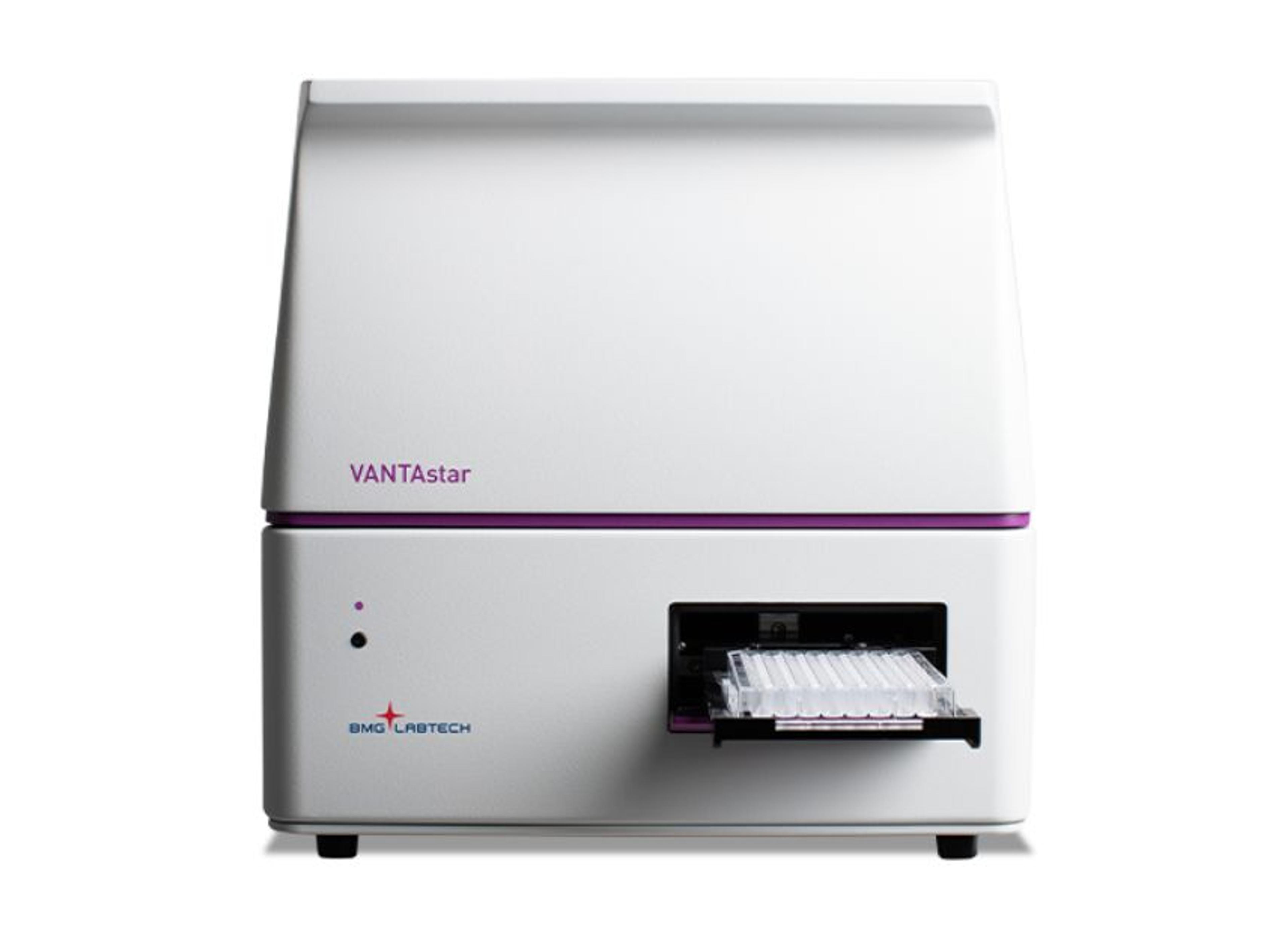
VANTAstar Multi-Mode Microplate Reader
BMG LABTECHThe VANTAstar Multi-Mode Microplate Reader is a compact multi-mode microplate reader compatible with all plate formats up to 384 wells.
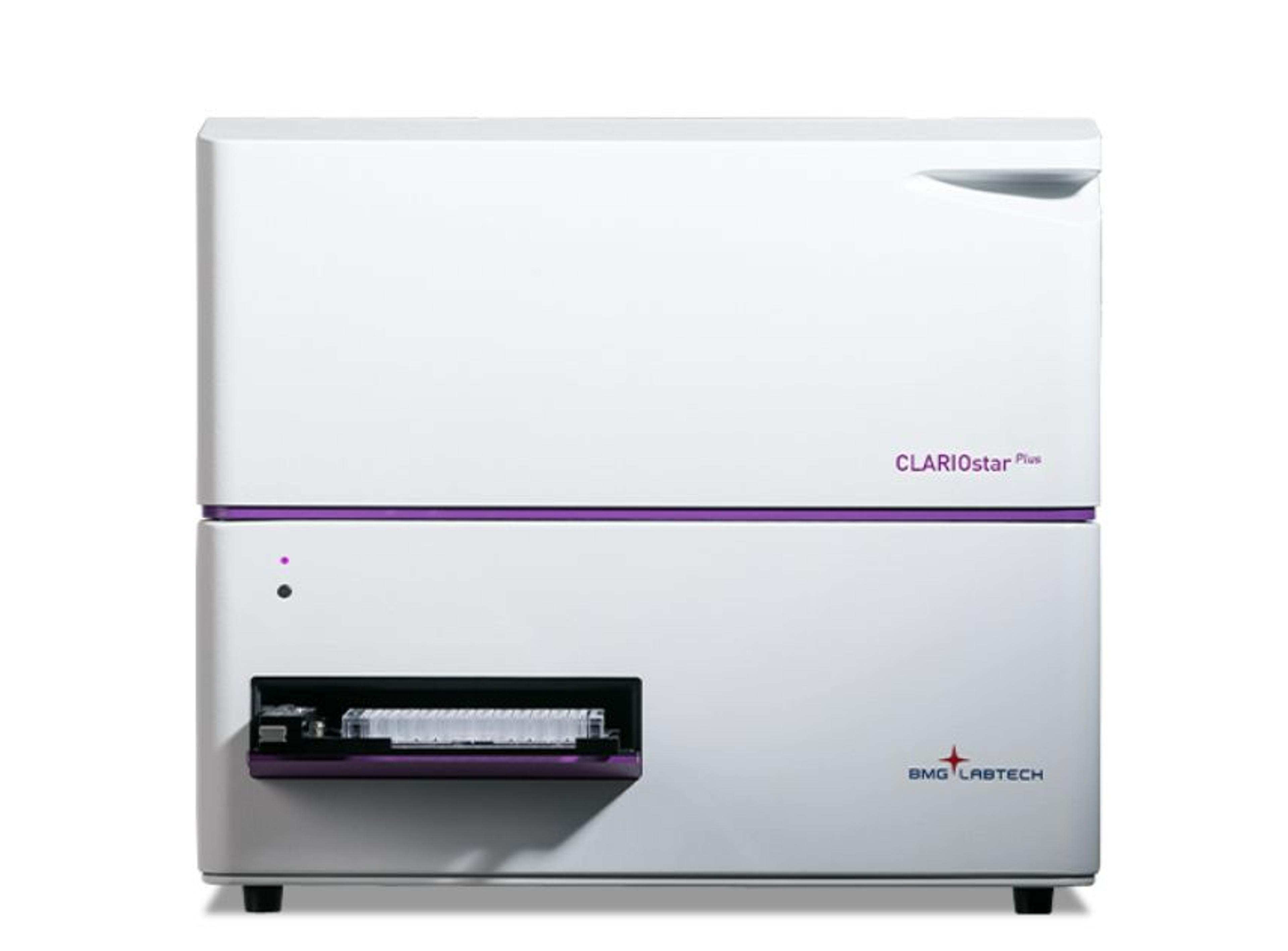
CLARIOstar® Plus Multi-mode Microplate Reader
BMG LABTECHMost flexible Multi-mode Microplate Reader for Assay Development
Links
Tags
MicroplatesMicroplates are multi-well plates used to increase the throughput of biological investigations. The number of wells microplates contain can range from 6 to 3243 wells, with the 96-well format being the most commonly used. Microplates can come tailored for a range of applications including cell culture, PCR, filtration, storage, non-binding surface, protein crystallization, as well as pre-coated, deep well and normal Standard microplates. Additionally, options for microplate colors include clear , black, white or black with clear bottom and white with clear bottom for absorbance microplate reader applications. Find the best microplates for your lab in our peer-reviewed product directory: compare products, check customer reviews and receive pricing direct from manufacturers.Plate ProcessingAutomated plate processing is used in microplate technologies for high-throughput, speed and efficiency. Plate processing systems include microplate handlers for moving plates, heat sealers, stackers and carousels for storage, retrieval and delivery, microplate washers and piercers. Useful features of plate processors include walk-away automation, compatibility and easy integration with microplate systems.