
Top tips for reducing pharmaceutical bioburden and maximizing microbial limits testing
4 Dec 2023As regulations become more stringent, microbiological testing is becoming more critical than ever in ensuring the quality of pharmaceutical products.
In this free infographic, learn how you can control costs by reducing retest delays and investigations caused by cross-contamination with just 3 top tips. Plus, learn how ergonomics and cleaning ease can reduce repetitive stress injuries and in turn, contamination within your pharmaceutical lab workflows.
Related products
Request Quote for All Products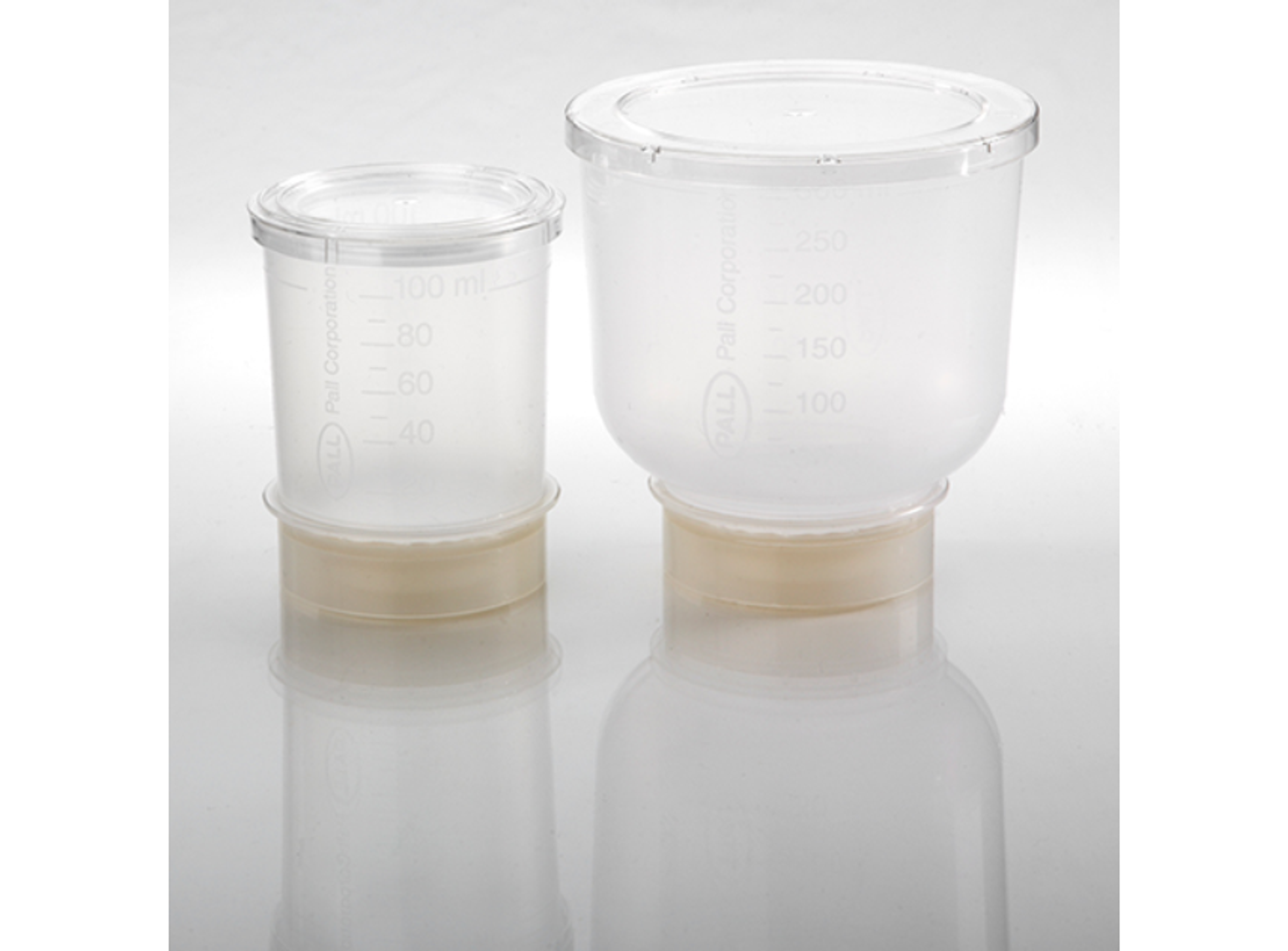
MicroFunnel Filter Funnels
CytivaDisposable filter funnels for quality control analysis of aqueous fluids
Links
Tags
Sample ManagementSample management systems include sample storage devices such as freezers and plate storers, sample environment enclosures and sample organization, retrieval and sorter systems. Useful system features include high-throughput, automation, robotic arms, automated liquid handling and associated database systems. Accessories in sample management include barcode scanners, heat sealers and tubes.Drug DeliveryDrug Delivery refers to dosage form, route of administration, formulations, technologies, and systems for transporting a pharmaceutical compound in the body as needed to safely achieve its desired therapeutic effect. Drug delivery is often approached via the biopharmaceutical or small molecule drug's formulation, but it may also involve medical devices or drug-device combination products. Considerations include instrumentation, software and services. Shipping / PackagingPackaging is the technology of enclosing or protecting products for distribution, storage, sale, and use and the process and production of packages. Packaging is closely linked to Shipping and the preparing of goods for transport, warehousing, logistics, sale, and end use. Within the pharmaceutical industry packaging and shipping are used for transport, storage and logistics between Contract Research Organizations (CROs), Manufacturing and Clinical Trial companies. Packaging is also critical in the final production of a pharmaceutical product before market. RegulatoryPharmaceutical regulations impact on all areas of drug development, manufacture and control and supply. Services are provided from the early stages of drug development and clinical trials through to dossier submission, approval and marketing. Regulatory also includes submission of analytical studies from the pharmaceutical product and safety. Scale-upScale-Up is generally defined as the process of transferring the results of the discovery phases of the drug discovery process, obtained on a laboratory scale, to the pilot plant and finally to production scale. Scale-Up uses reactors and pump systems as well as reagents, standards and buffers. Often Scale-Up is provided as a service by Contract Manufacturing Organizations (CMOs). Bioprocessing / FermentationBioprocessing is the use of biological materials to perform commercial, scientific or medical research processes. Biological materials used include cells, enzymes and organisms. Usually bioprocessing requires a batch or continuous bioreactor such as a fermentor or cell culture system. The advantages of using a reactor include high productivity, easy configuration, adjustable values and automation.Contamination PreventionContamination prevention aims to control and minimize the risk of contamination during experiments. Biological safety cabinets and sterilization equipment are examples of technologies used to prevent contamination.BiopharmaceuticalsBiopharmaceuticals are proteins and other compounds (such as nucleic acids) produced by living organisms that have uses as therapeutics or for in vivo diagnostics. The most well known example of a biopharmaceutical product, and the first to be approved for therapeutic use, was recombinant human insulin.PharmaceuticalsPharmaceuticals are medicinal drugs used in healthcare to diagnose, prevent, cure and treat illnesses. Pharmaceuticals that are excreted after use appear in wastewater and can have detrimental effects on the environment.