Top tips and tricks: Performing assays in microplates

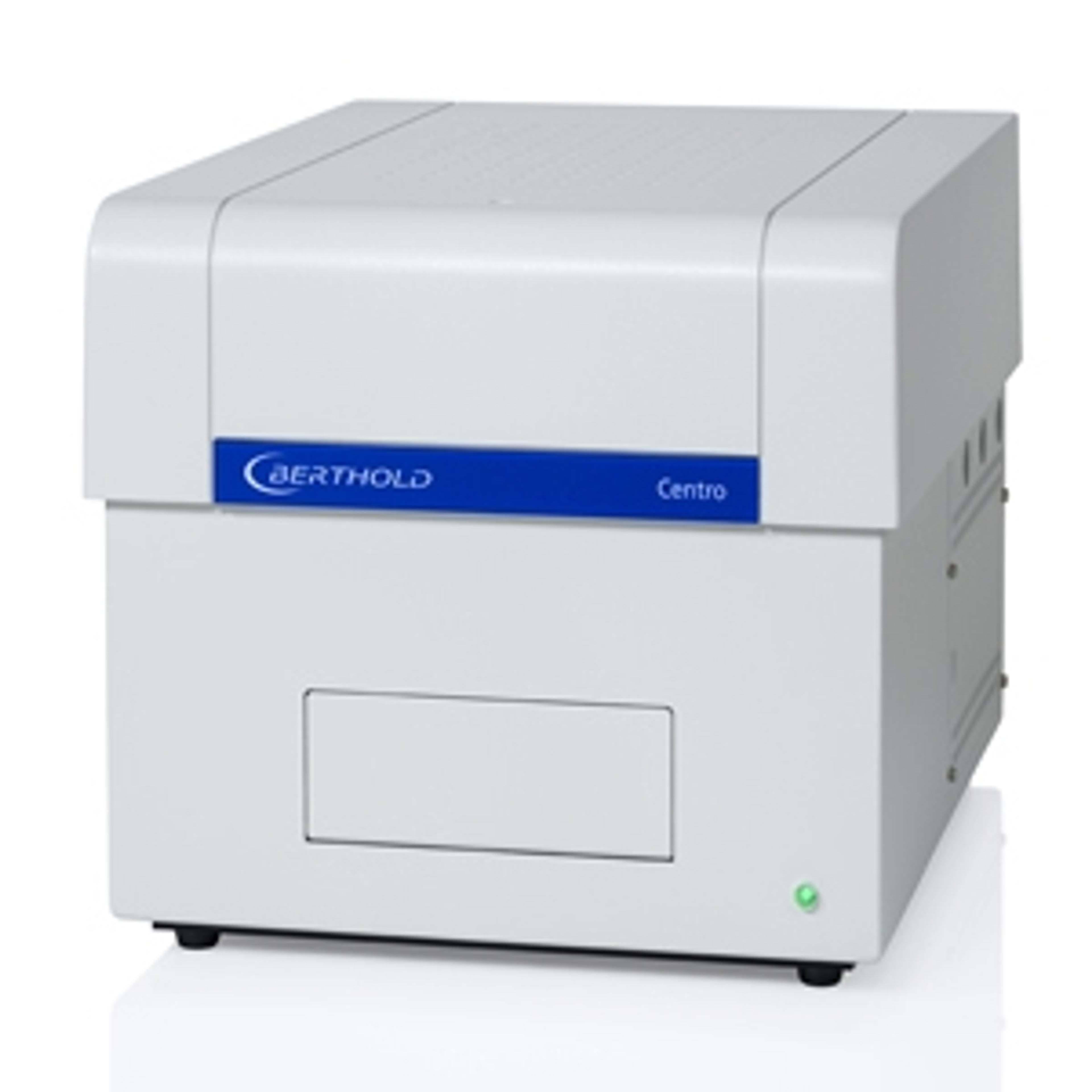
In this expert guide, we explore a selection of microplate readers from Berthold Technologies through different assay case studies

16 Mar 2023

Microplate assays are now a standard analytical tool in many life science experiments, matched by the corresponding growth of the types of microplate readers available to conduct critical measurements.

In this expert guide, we explore a selection of microplate readers from Berthold Technologies through different assay case studies, explain the basics of assay measurements, and outline common pitfalls. This eBook will also reveal how choosing the right microplate reader for a given assay is vital to overall assay success.

This guide will also outline:

  • How to choose the best reader using either filters or monochromators
  • How to configure your reader with temperature control
  • How to effectively measure flash luminescence

Links

Tags

MicroplatesMicroplates are multi-well plates used to increase the throughput of biological investigations. The number of wells microplates contain can range from 6 to 3243 wells, with the 96-well format being the most commonly used. Microplates can come tailored for a range of applications including cell culture, PCR, filtration, storage, non-binding surface, protein crystallization, as well as pre-coated, deep well and normal Standard microplates. Additionally, options for microplate colors include clear , black, white or black with clear bottom and white with clear bottom for absorbance microplate reader applications. Find the best microplates for your lab in our peer-reviewed product directory: compare products, check customer reviews and receive pricing direct from manufacturers.Microplate Readers / DetectorsMicroplate readers are used to automate the detection and analysis of labeled or label-free components in microplates during assays or live-cell monitoring. Microplate readers are generally distinguished by their mode of detection. Types include absorbance, luminescence, fluorescence intensity, fluorescence polarization, TRF / FRET and multimode microplate readers. Microplate readers deliver a high throughput of samples by reading multiple wells simultaneously, with the 96-well format the most commonly used. As a result, microplate readers are often used in the drug discovery, bioassays, research and pharmaceutical industries for screening applications. Microplate loading can also be automated, with robotic microplate stackers to increase throughput. Find the best microplate readers in our peer-reviewed product directory: compare products, check customer reviews and receive pricing direct from manufacturers.Absorbance ReaderMicroplate StackerMicroplate WasherMicroplate Sealer