The Ultimate Guide to Determination of Fats and Oils

3 Sept 2017

This guide describes the measurement of the most important parameters for characterization of oils and fats. It discusses methods for the measurement of dropping point, melting range and titration of fatty acids in detail, as well as giving tips and tricks for improving measurement accuracy. It also covers quality control using UV/Vis spectroscopy.

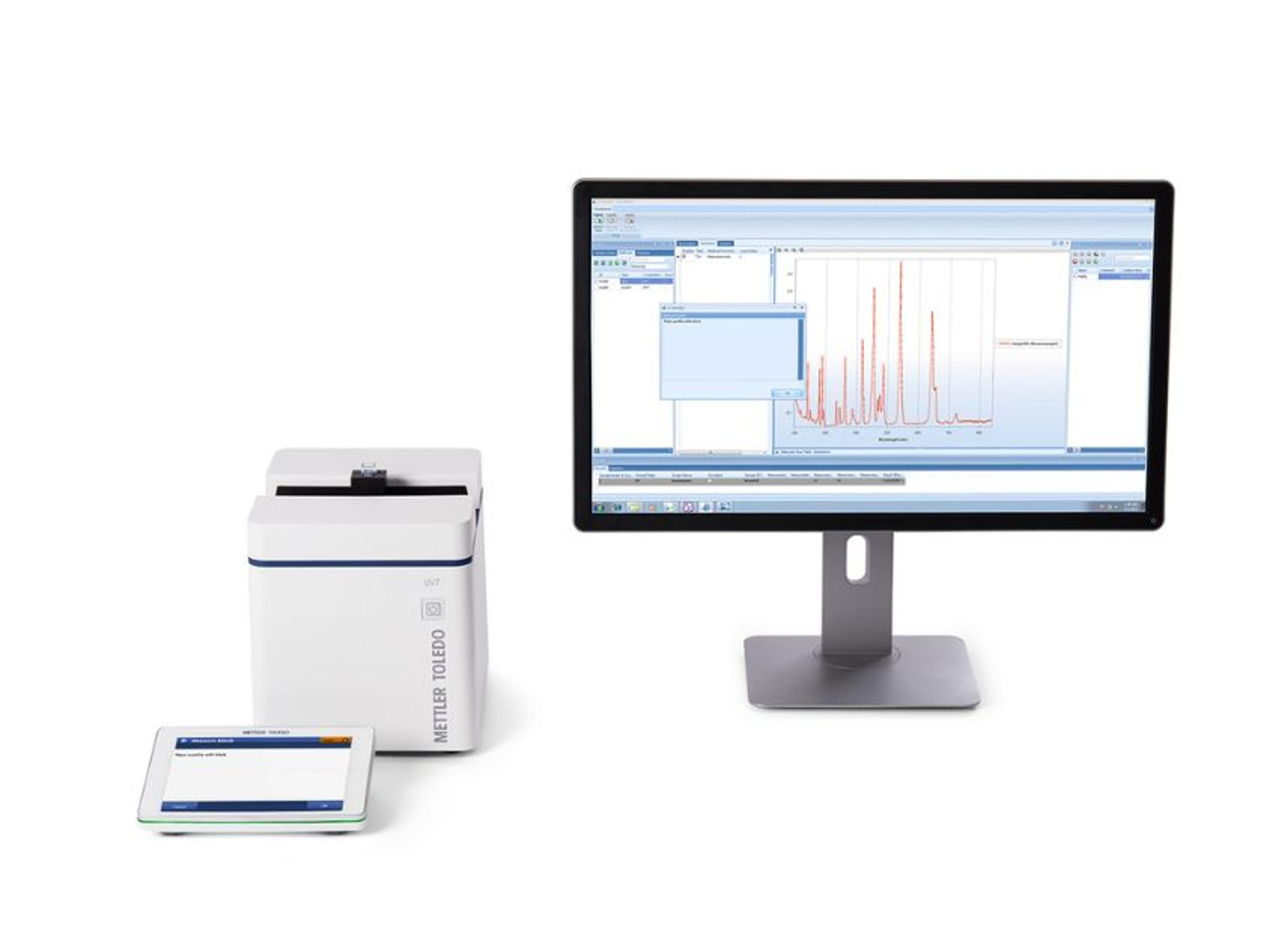
LabX UV/VIS

METTLER TOLEDO

UV/VIS LabX Software is fully adaptable to meet your needs. The many options in LabX allow you to simplify the way you work, ensuring that transcription errors and omissions are a thing of the past. LabX takes care of all of the hard work, enhancing productivity and decreasing manual interactions.
(1)

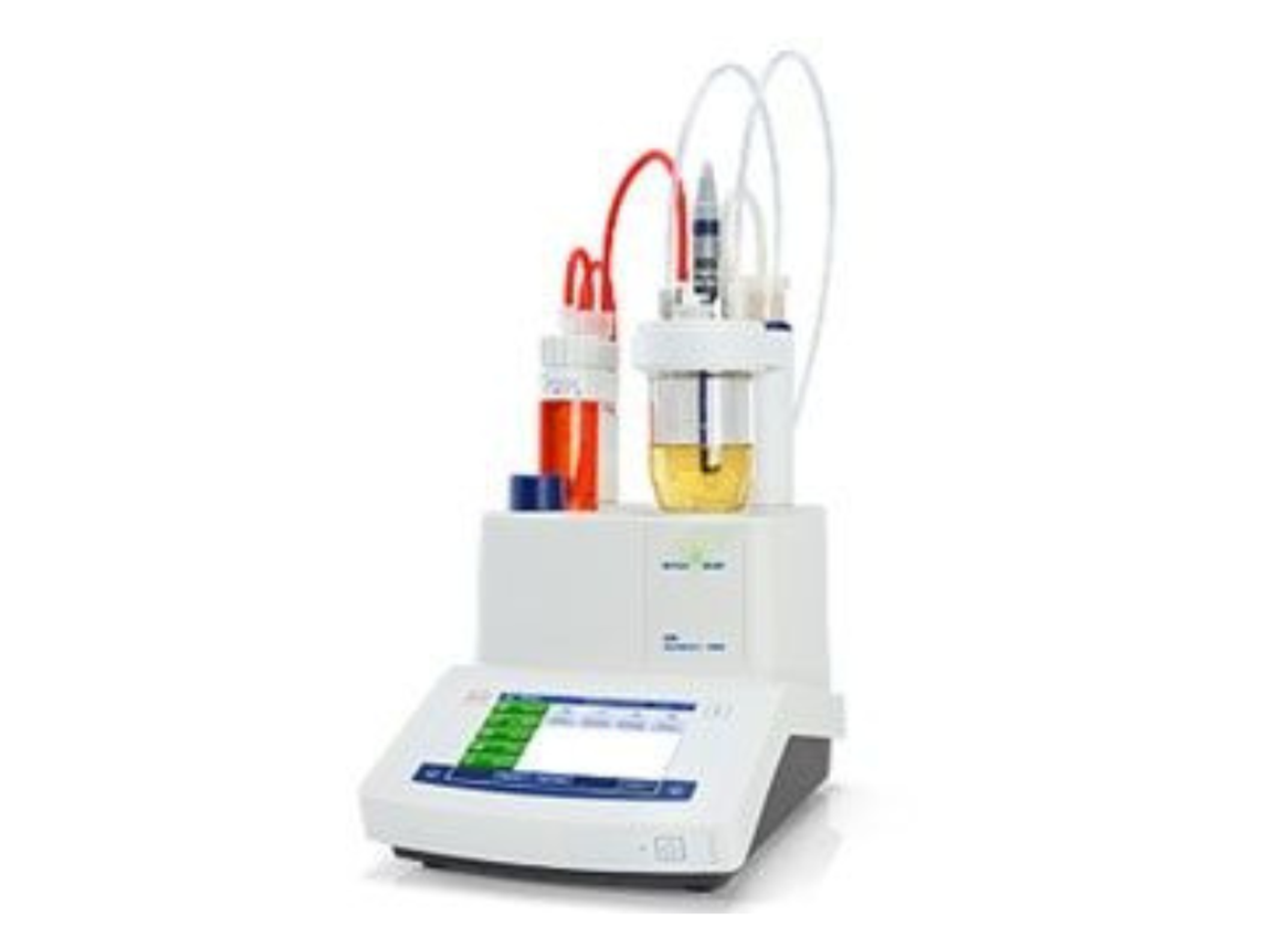
V30S

METTLER TOLEDO

The Karl Fischer Specialist titrator is the flexible and powerful instrument for fast and precise water determination in any industry for samples containing water content between 100 ppm and 100%.
(4)

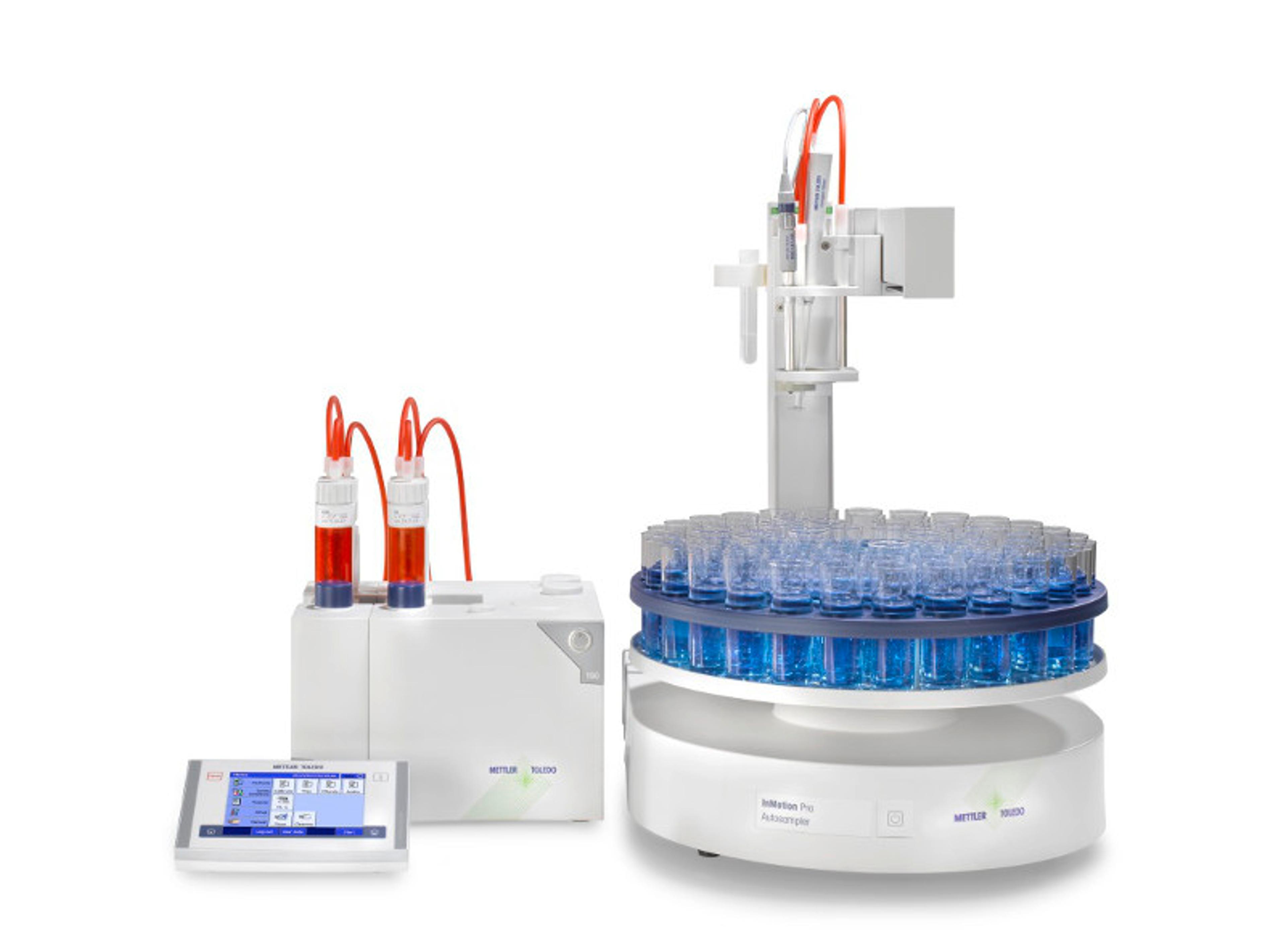
InMotion Autosamplers

METTLER TOLEDO

From eliminating process order and transcription errors of sample information to complex cleaning and environmental control and protection for analysis, our InMotion autosamplers are designed to assist in every way for flexible workflows and efficient analysis.

(3)

Links

Tags

UV-Visible SpectroscopyUltraviolet-visible (UV-Vis) spectrophotometers are used to measure the interaction of UV and visible light with a sample, including transmission, reflectance & absorbance. The two major instrument classes are single-beam or double-beam spectrophotometers. More specialized equipment includes colorimeters, spectroradiometers and refractometers. Portable and microvolume spectrophotometers are also available. For the modular spectroscopy lab, explore a range of light sources for combination with a spectrograph/spectrometer and optics. Find the best UV-Vis spectroscopy products in our peer-reviewed product directory: compare products, check customer reviews and receive pricing direct from manufacturers.TitrationTitration is an analytical technique for determining substance concentration in a solution. For titration consider a manual or automated system, volumetric or coulometric reagent addition and indication by a potentiometer, spectrometer, turbidometer or by the Karl Fischer method. Other features of titration to consider include burettes, reagents, concentration range, reaction time and autosamplers.Food TestingFood testing refers to a variety experiments including PCR, mass spectrometry, processing, QuEChERS, analyzing and Kjeldahl.Olive OilFood QualityFood quality refers to the attributes of food that influence its safety, nutrition, and taste. Monitoring and ensuring food quality are essential in production to meet health regulations and consumer expectations. Techniques like spectroscopy, chromatography, and microbial testing are used to assess food properties and detect contaminants. Browse our peer-reviewed product directory to find food quality testing solutions; compare products, check reviews, and get pricing directly from manufacturers.Fats