
ResourceClinical Diagnostics
The role of rapid diagnostics in tackling antimicrobial resistance
13 Oct 2022This application note contains key insights on the current policy landscape and practical challenges on the frontline of care and the role of rapid diagnostics in relation to tackling antimicrobial resistance (AMR), with an emphasis on identifying key barriers and challenges in relation to the uptake of rapid diagnostics.
Related products
Request Quote for All Products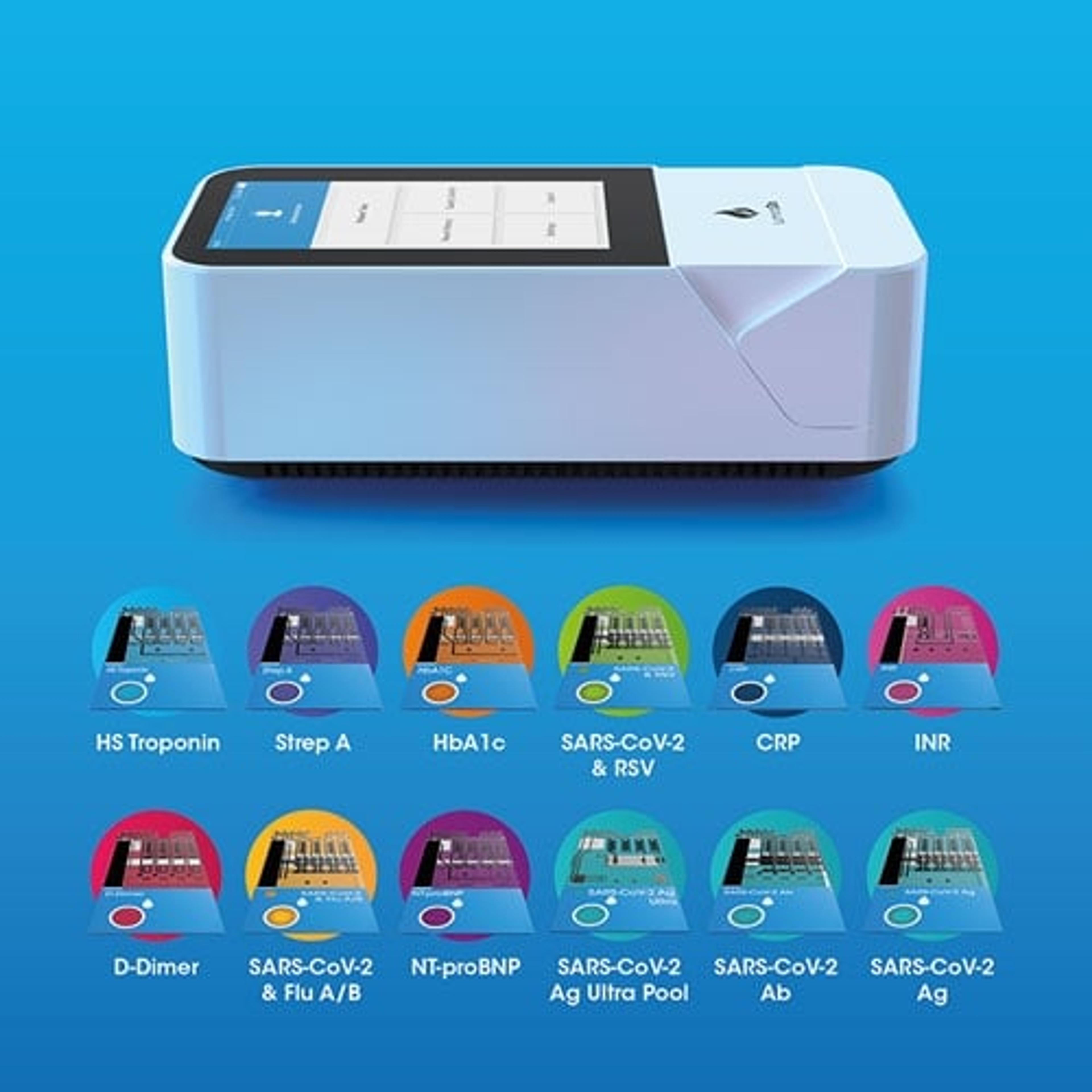
LumiraDx Platform
LumiraDxNext-generation point of care diagnostic platform - Next-generation microfluidic technology on the LumiraDx Platform enables lab-comparable performance across a broad menu of diagnostic assays.
Links
Tags
ImmunologyImmunological techniques measure and characterize immune responses. Immunology kits and analysis systems often use techniques such as ELISA, radioimmunoassay (RIA) and immunodiffusion assays, Immunohistochemistry, and flow cytometry. Immunologists use equipment such as flow Cytometers, plate readers, plate washers and fluorescent microscopes.Point-of-CarePoint-of-Care Testing (POCT) or Near Patient Testing (NPT) products are available for urine, blood and other clinical chemistry analyses. POCT includes: blood glucose testing, blood gas and electrolytes analysis, rapid coagulation testing (PT / INR), rapid cardiac markers diagnostics, drugs of abuse screening, urine strips testing, pregnancy testing, fecal occult blood analysis, food pathogens screening, hemoglobin diagnostics, infectious disease testing and cholesterol screening.RegulatoryPharmaceutical regulations impact on all areas of drug development, manufacture and control and supply. Services are provided from the early stages of drug development and clinical trials through to dossier submission, approval and marketing. Regulatory also includes submission of analytical studies from the pharmaceutical product and safety. AntimicrobialsMolecular DiagnosticsMolecular diagnostics use an individual’s genetic code and gene expression to diagnose and monitor diseases. The technique is used increasingly in the field of infectious diseases and oncology, as well as areas such as coagulation, HLA typing and pharmacogenomics. Molecular diagnostics plays a pivotal role in personalized medicine.