
ResourceMaterials
The impact of electrode particle size and shape on battery slurry viscosity
30 Mar 2020When designing and manufacturing batteries, the size and shape of electrode particles are important factors to consider and control, as irregular particles not only reduce packing density, but can lead to the formation of a high viscosity electrode slurry. In this application note, using a Morphologi automated image analysis system, Malvern Panalytical explores the role of size and shape on the viscosity of the electrode slurry.
Related products
Request Quote for All Products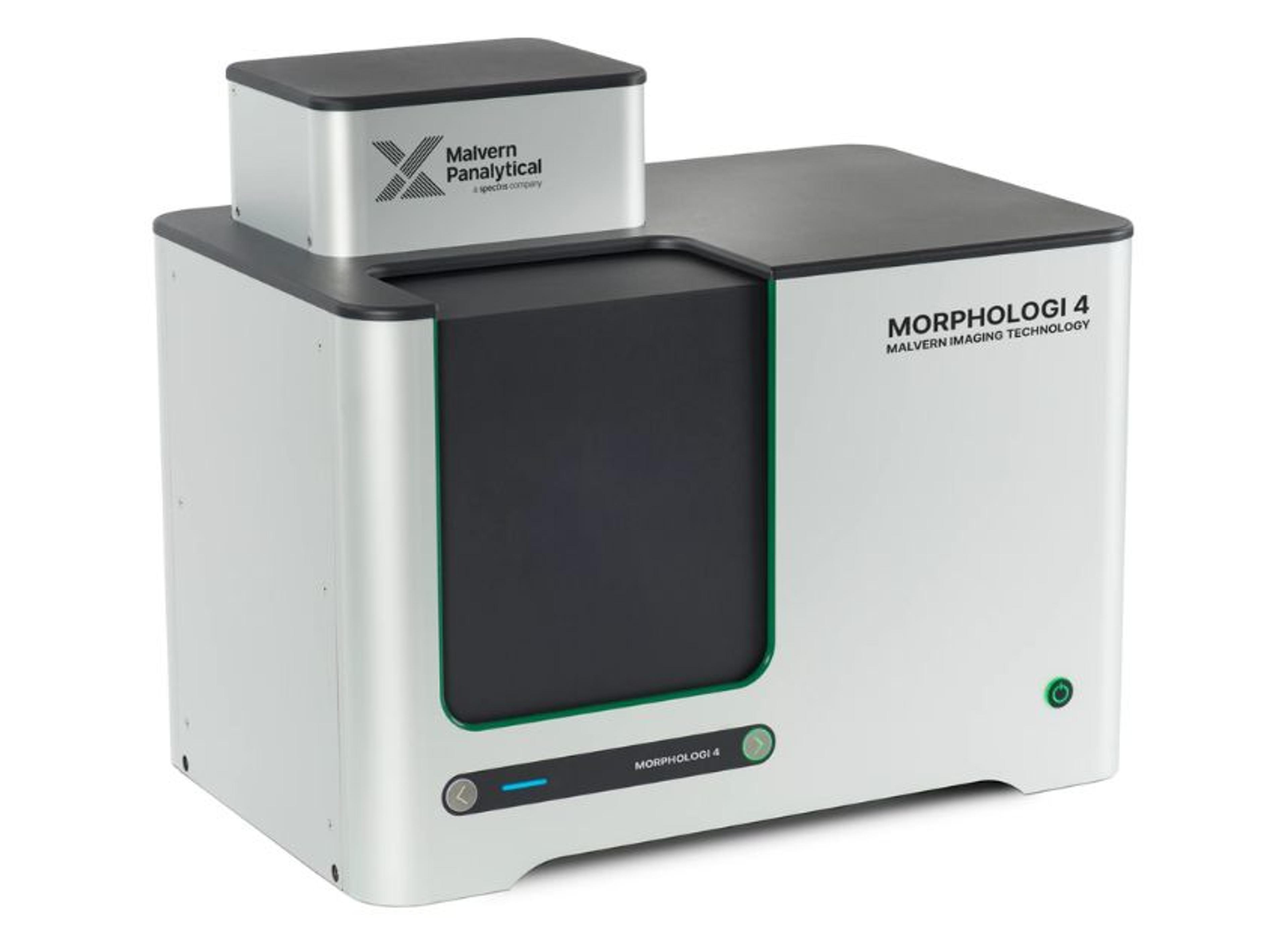
Links
Tags
ViscometersViscometers are used to measure the viscosity of a fluid. Types of viscometer include rotational, vibrational and falling piston viscometers. Options for viscometers include modular, portable, benchtop and temperature compensation and density measurement features.Particle CharacterizationParticle characterization instruments are used to determine particle size distribution, shape, surface area, zeta potential, density and porosity of particles and materials. Multiple tecchniques are available for determining particle size, shape and count including dynamic light scattering (DLS), laser diffraction, electrozone (Coulter technique), imaging particle analysis and single particle optical sensing. Determine the density of your material with a gas pycnometer or examine its surface area and porosity with gas adsorption analyzers and mercury porosimeters. Find the best particle characterization instruments in our peer-reviewed product directory: compare products, check customer reviews and receive pricing direct from manufacturers.Mechanical TestingMechanical testing explores the elastic and inelastic nature of a material when force is applied. A mechanical test shows whether a material is suitable for its intended application by measuring hardness, tensile strength, elongation, elasticity, and fatigue limit.Batteries