
ResourceSpectroscopy
TD-GC/MS Analysis of Vapour-Phase Organic Compounds for Materials Emissions Testing
28 Aug 2014This application note describes a specific procedure for identifying and quantifying the masses of individual volatile organic compounds (VOCs) which are emitted into a flow of air from materials including (wood panels, paints, coatings, polyurethane foams) and collected on sorbent sampling tubes during emissions testing. It also provides a method of estimating the level of total volatile organic compounds (TVOCs) as compared to a reference compound (toluene).
Related products
Request Quote for All Products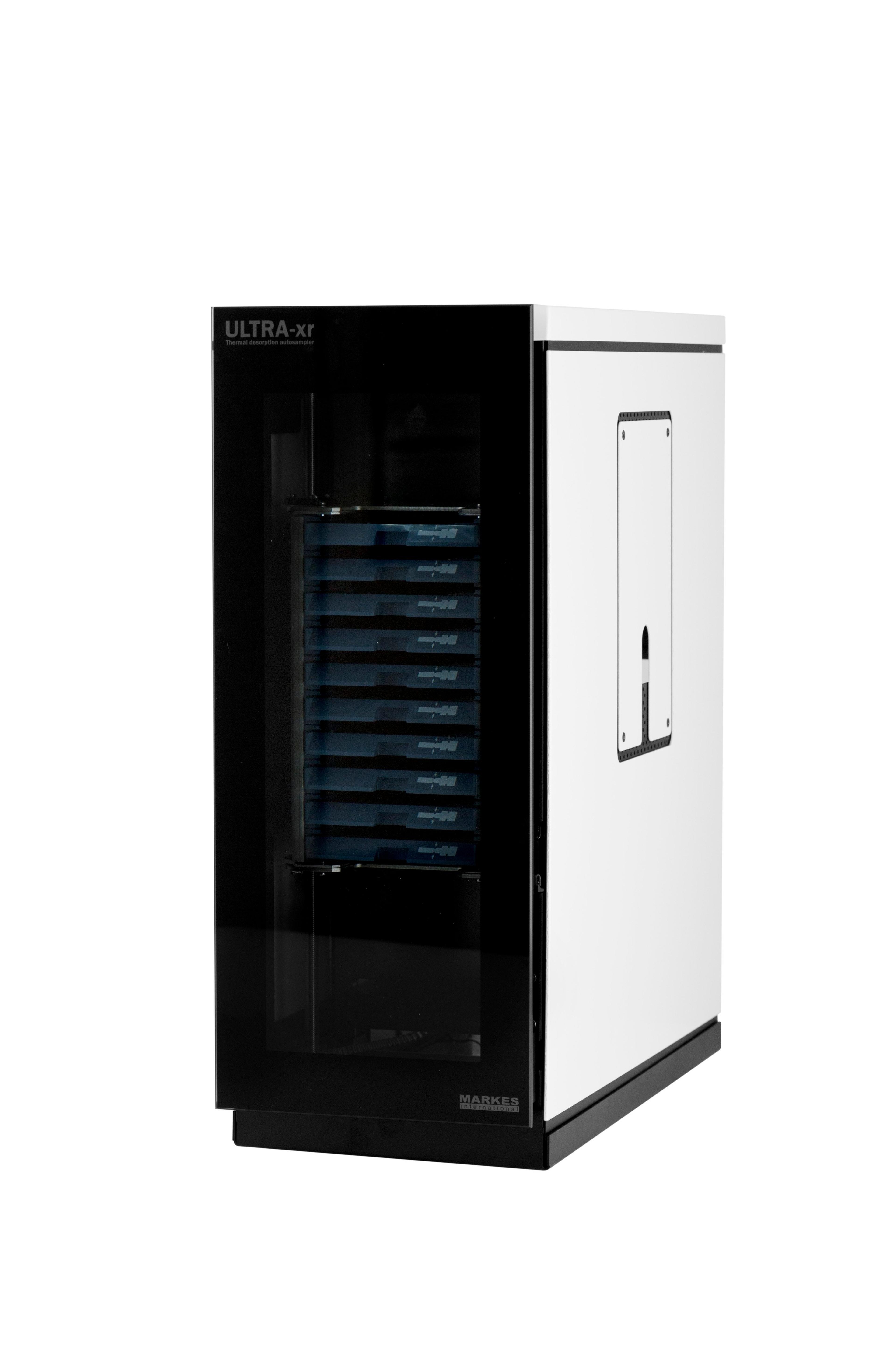
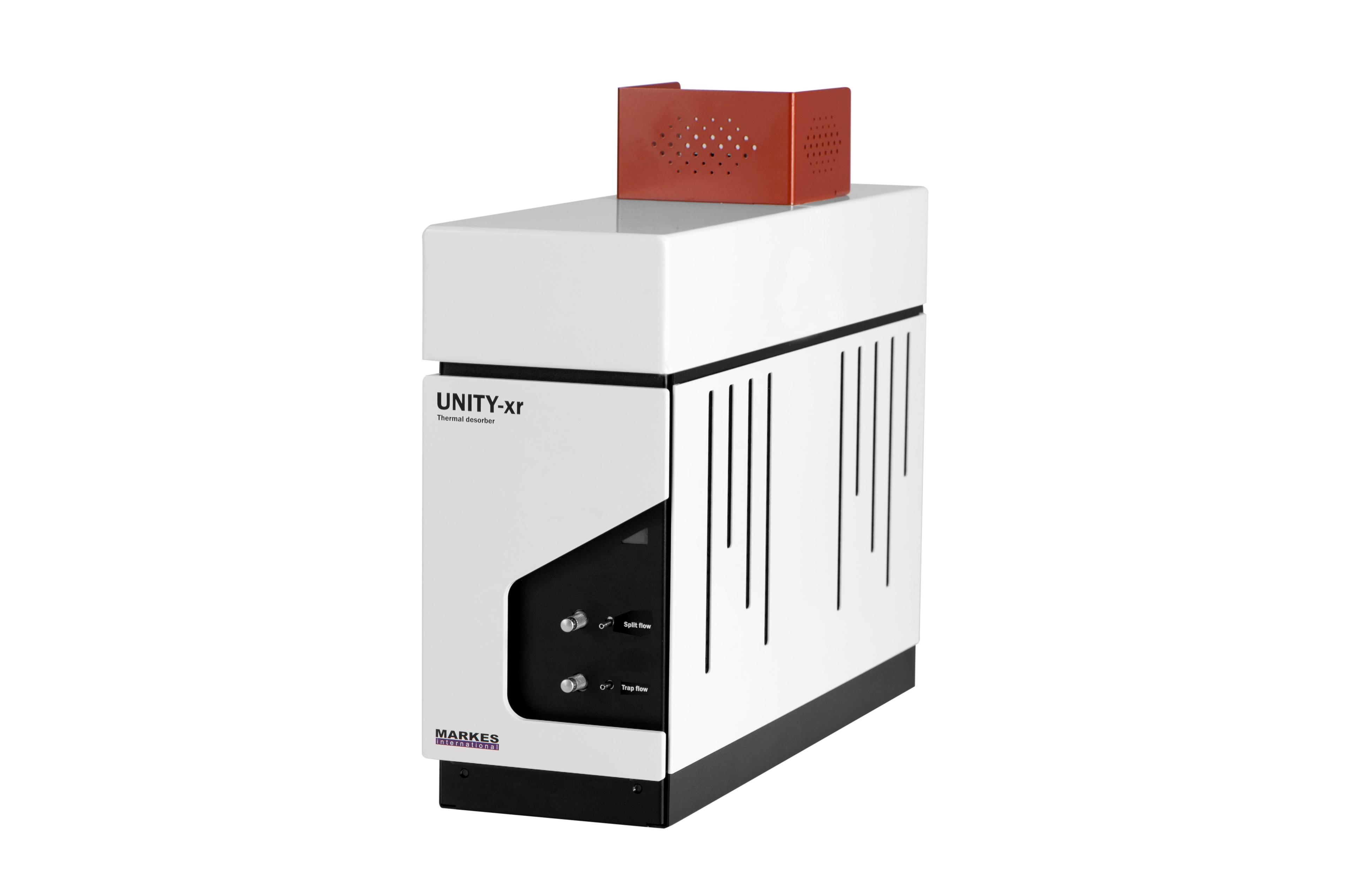
UNITY-xr
Markes International LtdVersatile single-tube analytical thermal desorption unit for GC or GC–MS
Links
Tags
GC-MS GC-MS (gas chromatography-mass spectrometry) instruments and equipment are used to separate, quantify and identify mixtures of small and volatile compounds, such as polycyclic aromatics, fatty acids and alcohols. Often used in drug detection, forensic investigation and environmental analysis for pesticides and contaminants, GC-MS is a powerful addition to your lab’s analytical capabilities. GC-MS/MS instruments equipped with a qTOF or triple quadrupole analyzers can give greater sensitivity and resolution to your analysis. Find the best GC-MS instruments and equipment in our peer-reviewed product directory: compare products, check customer reviews and receive pricing direct from manufacturers.Volatile Organic Compounds (VOCs)Volatile organic compounds (VOCs) are chemicals that have a low boiling point. Some VOCs are harmful to human health, whereas others can be used to determine the shelf-life of foods samples. Airborne PollutantsAirborne pollutants are particulates, biological molecules or other harmful materials that exist in the atmosphere. These pollutants are known to cause harm to health and the environment. Examples include persistent organic pollutants (POPs), carbon monoxide, sulfur oxides, and nitrogen oxides.