
Simple and Fast Quantitation of Nicotinic Acid and Nicotinamide in Human Plasma by Applying Impact™ Protein Precipitation Plate Technology with Gemini® 3 μm C18 HPLC Columns
9 Dec 2014In this application note, nicotinic acid and nicotinamide were extracted from human plasma by performing a rapid protein precipitation using Impact Protein Precipitation Plates followed by HPLC analysis using a Gemini 3 μm C18 100 x 4.6 mm HPLC column and positive polarity ESI LC/MS/MS system. Impact technology offers easy, fast protein removal while providing maximized recovery of the target analytes. The Gemini 3 μm C18 HPLC column produced excellent chromatographic resolution, sensitivity, and high peak capacities.
Related products
Request Quote for All Products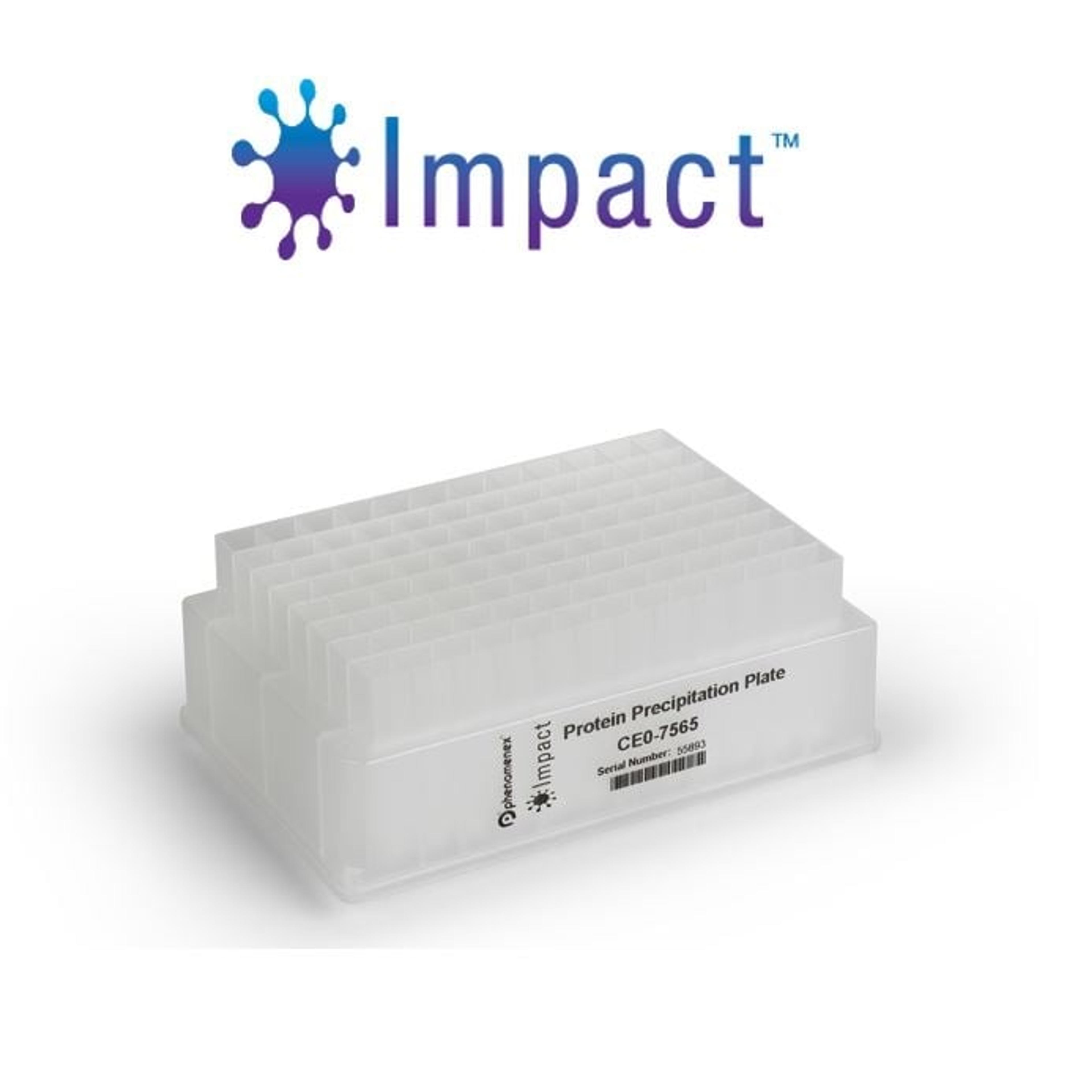
Impact™ Protein Precipitation Plates
Phenomenex IncImpact™ protein precipitation plates with Solvent Shielding Technology™ offer a rapid and convenient way to remove proteins from plasma and tissue homogenate samples prior to analysis.The Solvent Shielding Technology design will withhold organic solvents above the filter membranes for up to 25 minutes, allowing for direct in-well precipitation upon sample addition. The precipitate is then filtered out via vacuum, centrifuge or positive pressure resulting in a clean, protein depleted extract.
Gemini pH Flexible LC Columns
Phenomenex IncSetting the Standard for pH Method DevelopmentRugged reversed phase HPLC columns that offer extended lifetime under extreme pH conditions and excellent stability for reproducible, high efficiency separations. Take full advantage of high and low pH conditions (pH 1-12) to manipulate selectivity Expect longer column lifetime with patented TWIN-NX™ technology Ideal for analytical and preparative separations of basic and acidic compounds Who needs Phenomenex's Gemini HPLC columns? Method Developers: Extreme pH method flexibility Reproducible performance Purification Chemists: Purify bases at high pH Increased loading Increased retention Increased resolution Lab Managers: Extended column lifetime Consistent results.