ResourceDrug Discovery & Development
Scalable 3D organoid modeling for drug discovery
31 Oct 2025
Cameron Smith-Craig
Pharma and Applied Sciences Editor
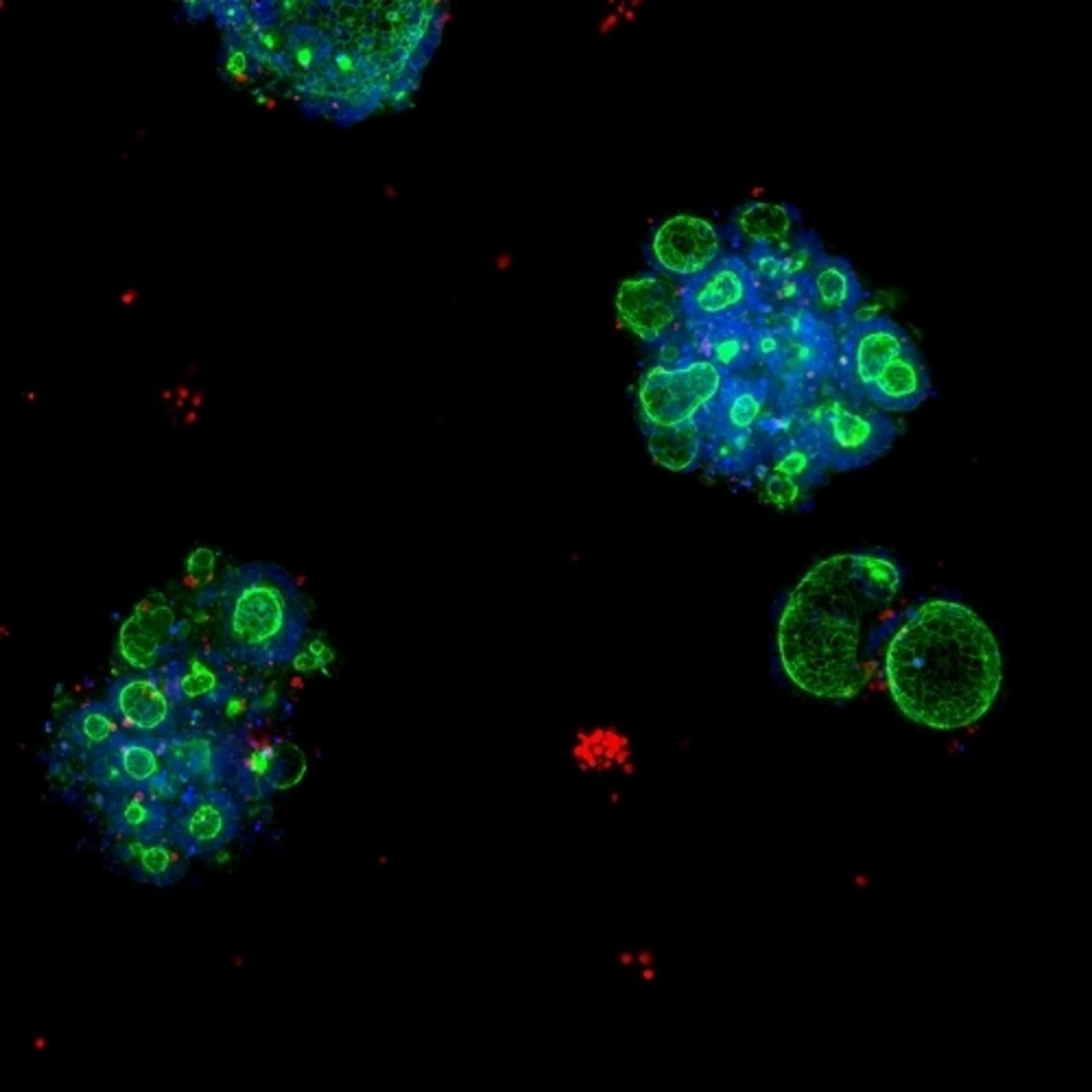
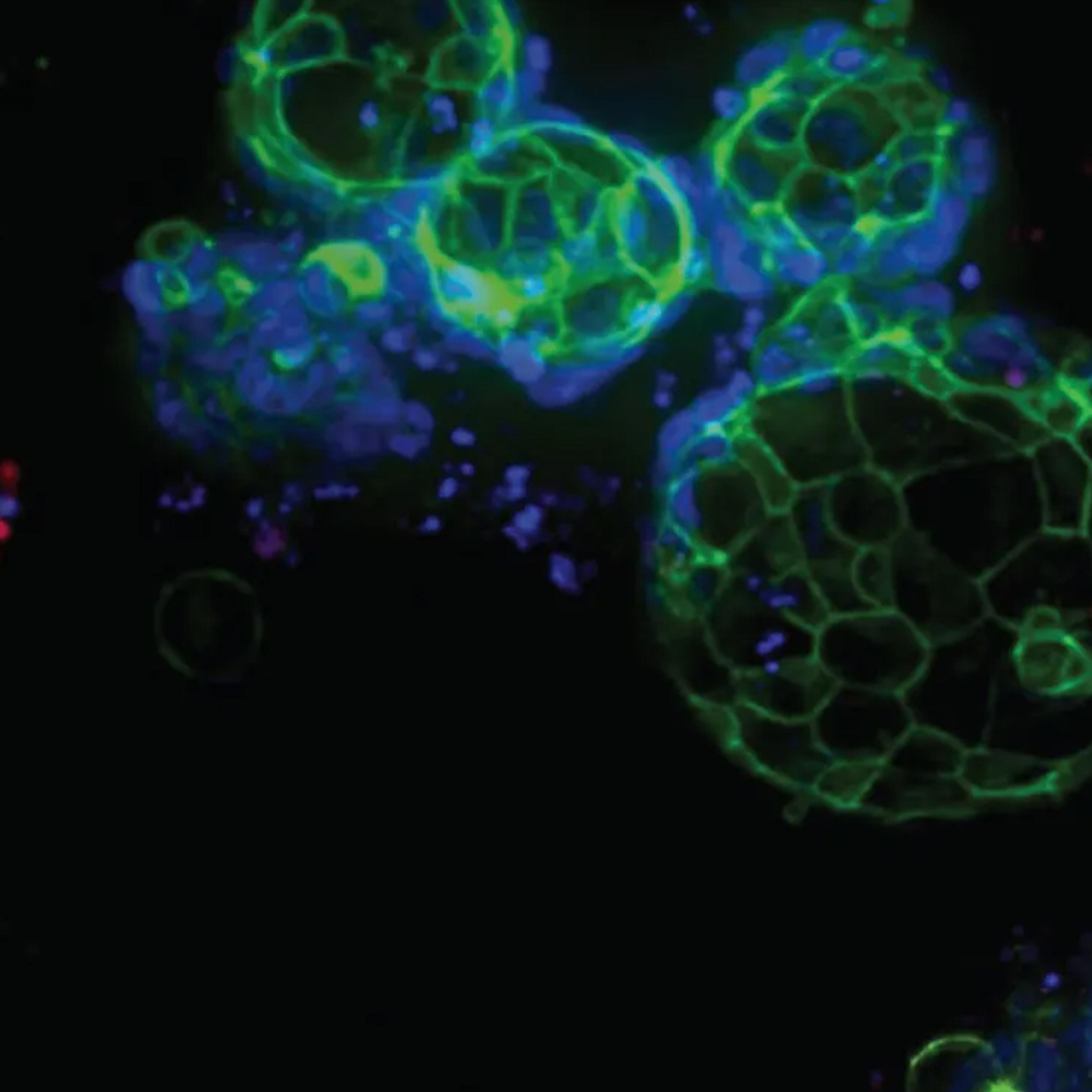
Discover how to overcome the challenges of scaling 3D organoid models for high-throughput drug discovery. This comprehensive guide delivered in partnership with Molecular Devices explores innovative solutions for automating organoid culture, screening, and analysis.
Learn about:
- Patient-derived 3D Ready™ Organoids and Expansion Services
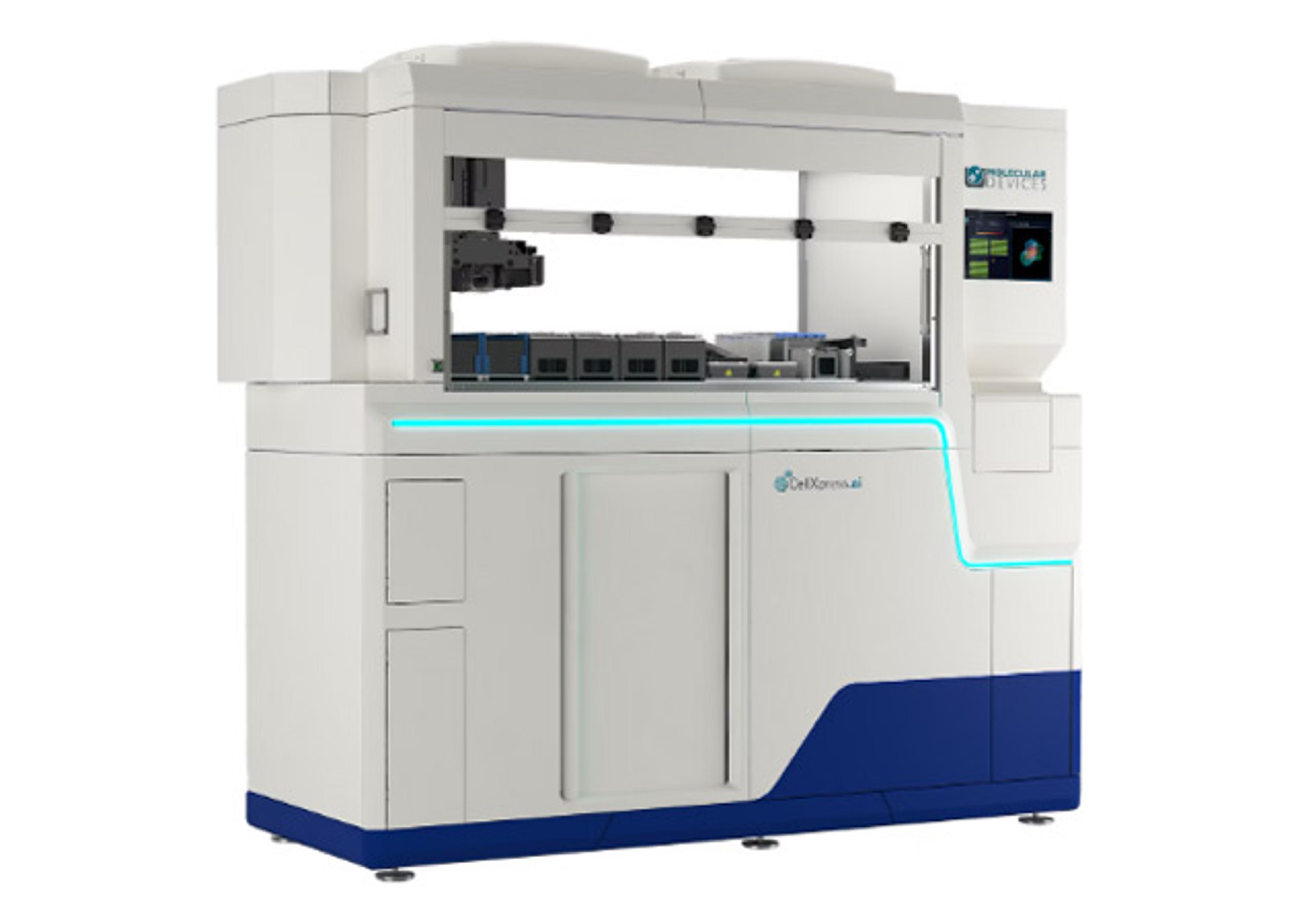
- The CellXpress.ai® Automated Cell Culture System
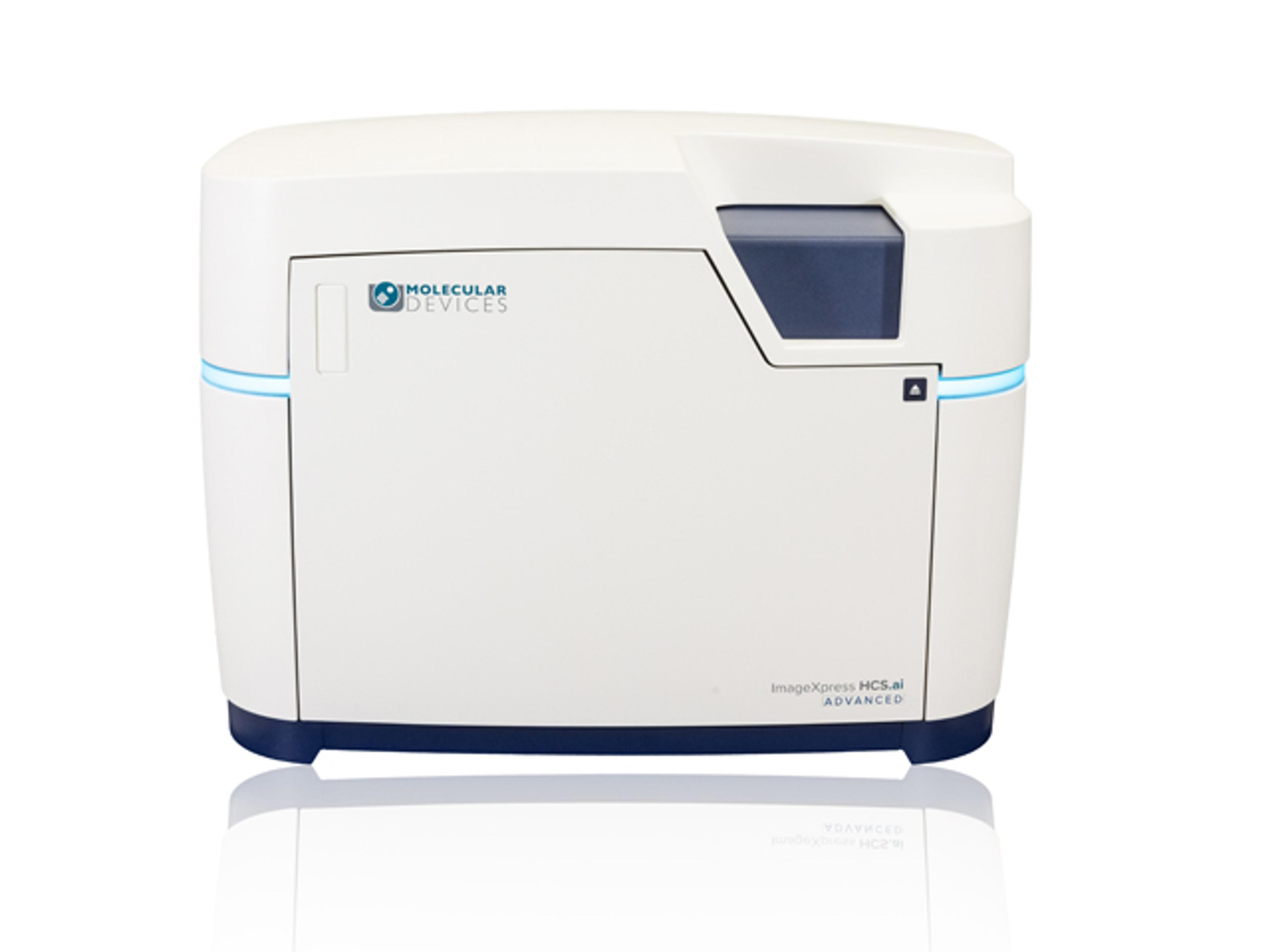
- High-content imaging with ImageXpress® HCS.ai and IN Carta® software
- AI-powered workflows for toxicity screening and phenotypic profiling
Ideal for researchers seeking reproducible, scalable, and human-relevant models to accelerate drug development and personalized medicine.
Links
Tags
Cell-Based AssaysCell-based assays are used to monitor the presence, quantity and activities of a desired cellular analyte including drug molecules or biomarkers. This can reveal information on cell health (apoptosis, cytotoxicity, viability and proliferation assays), cell metabolism, cell migration and cell signaling mechanisms. Find the best cell-based assay products, kits and equipment with our peer reviewed product directory: compare products, check customer reviews and receiving pricing direct from manufacturers.High-Throughput ScreeningHigh-throughput screening (HTS) is an automated drug discovery technique for identification of active compounds against a compound library. Use HTS readers and integrated assay preparation / analysis workstations to screen your compounds. Identify active compounds against various HTS libraries, including membranes, proteins and peptides and HTS cell lines. Find the best high-throughput screening products in our peer-reviewed product directory: compare products, check customer reviews and receive pricing direct from manufacturers.Organoids3D Cell CultureCulturing cells in three dimensions allows more physiologically relevant observations to be made regarding cellular interactions and gene expression. 3D models provide a more accurate representation of cells in vivo and are more stable than 2D cultures, making them very useful for long-term studies.