ResourceSeparations
Revealing the invisible web: Solutions for an efficient analysis of PFAS
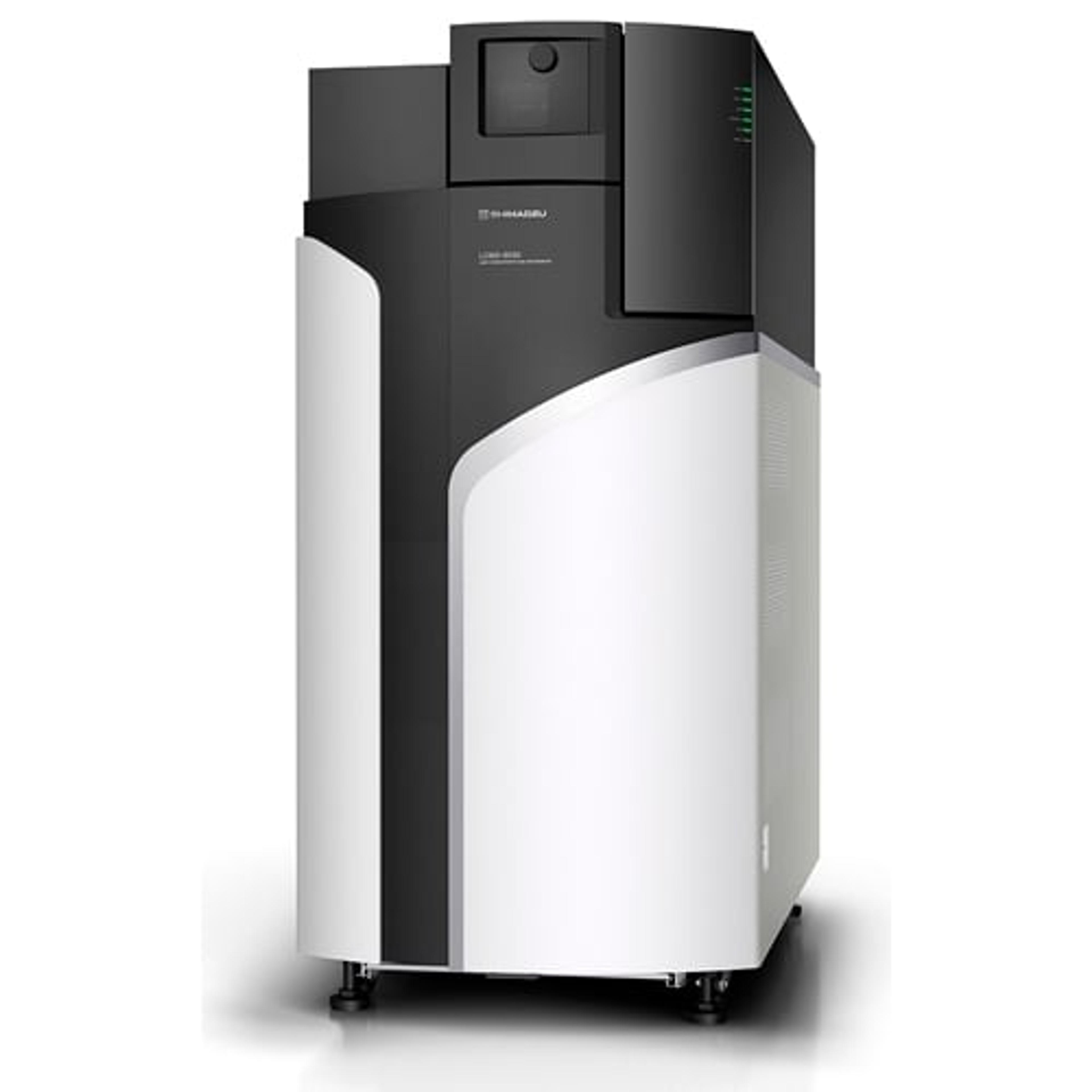
6 Mar 2024In this application note, Shimadzu discusses the challenges and solutions for per- and polyfluorinated alkyl substances (PFAS) analysis, including how to avoid sample contamination and sample loss, and how to optimize data processing. PFAS are a family of synthetic chemicals resistant to degradation and accumulate in the environment and living organisms, posing risks to humans and ecosystems. Shimadzu’s LC-MS/MS instruments and LabSolutions Insight software can streamline PFAS analysis, automate QA/QC flagging, and ensure data integrity. The use of PFAS-free containers, avoiding storing samples in glass, and SPE cartridges tests are necessary to avoid sample contamination.
Links
Tags
Mass SpectrometryMass spectrometry (MS) is a powerful analytical technique used to identify and quantify molecules based on the mass-to-charge ratio of gas-phase ions. It provides detailed information about the structure, composition, and properties of compounds and is widely used across fields such as environmental monitoring, materials science, drug discovery and development, food and beverage testing, and wider chemical research. Key MS techniques include tandem mass spectrometry (MS/MS), liquid chromatography–mass spectrometry (LS-MS) and inductively coupled plasma (ICP-MS). Choosing from these wide range of techniques and technologies can be a daunting task, so keep up to date with scientific applications, performance expectations, and customer reviews here all in one place. Visit our product directory to receive quotes direct from the manufacturer.
Environmental Monitoring and TestingEnvironmental monitoring and testing uses handheld portable analyzers, kits, spectrometers or chromatography systems for air, water, soil, food and other sample testing. Useful features of analyzers such as BOD and COD include portability, easy calibration, automation and sensitivity. Environmental test kits for pH, water, moisture, etc, should be accurate, sensitive, reliable, fast and easy to use.UltraPerformance Convergence ChromatographyConvergence Chromatography expands the capabilities of reversed phase LC and conventional GC techniques. By varying mobile phase strength, pressure, temperature and stationary phase Convergence Chromatography facilitates the separation, detection and quantification of many compounds and samples. The CO<sub>2< / sub> mobile phase used reduces the need for toxic solvents.Chemical Process AnalysisChromatography Method DevelopmentChromatography method development is the process of designing and optimizing chromatographic techniques to separate and analyze complex mixtures. This includes selecting appropriate stationary and mobile phases, determining flow rates, and optimizing detection methods. Successful method development is essential for high-quality results in fields like pharmaceuticals, food safety, and environmental analysis. Explore chromatography method development tools in our peer-reviewed product directory; compare products, check reviews, and get pricing directly from manufacturers.Environmental ContaminationContaminants in the environment are harmful chemicals that are present in the air, land and water. These include pesticides, pharmaceuticals, persistent organic pollutants (POPs) and many more.Environmental AnalysisEnvironmental analysis describes a variety of tests that determine the effect of chemicals, processes and particulates such as persistent organic pollutants (POPs) have on the environment.