ResourceSeparations

Reducing the helium consumption for analysis of VOCs in accordance with EPA Method 8260D without compromising performance using HeSaver-H2 Safer technology

15 Mar 2024

In this application note, Thermo Fisher Scientific discusses the significance of volatile organic compounds (VOCs). The method of choice for analyzing VOCs involves gas chromatography coupled with single quadrupole mass spectrometry using Purge and Trap (P&T) sampling. The HeSaver-H2Safer™ technology offers a solution by significantly reducing helium consumption without compromising performance. The application of this technology in conjunction with gas chromatography and mass spectrometry for the analysis of water and soil samples according to EPA Method 8260D is detailed. The results demonstrate that the HeSaver-H2Safer™ technology allows for minimal method transfer effort while maintaining chromatographic performance across different matrices.

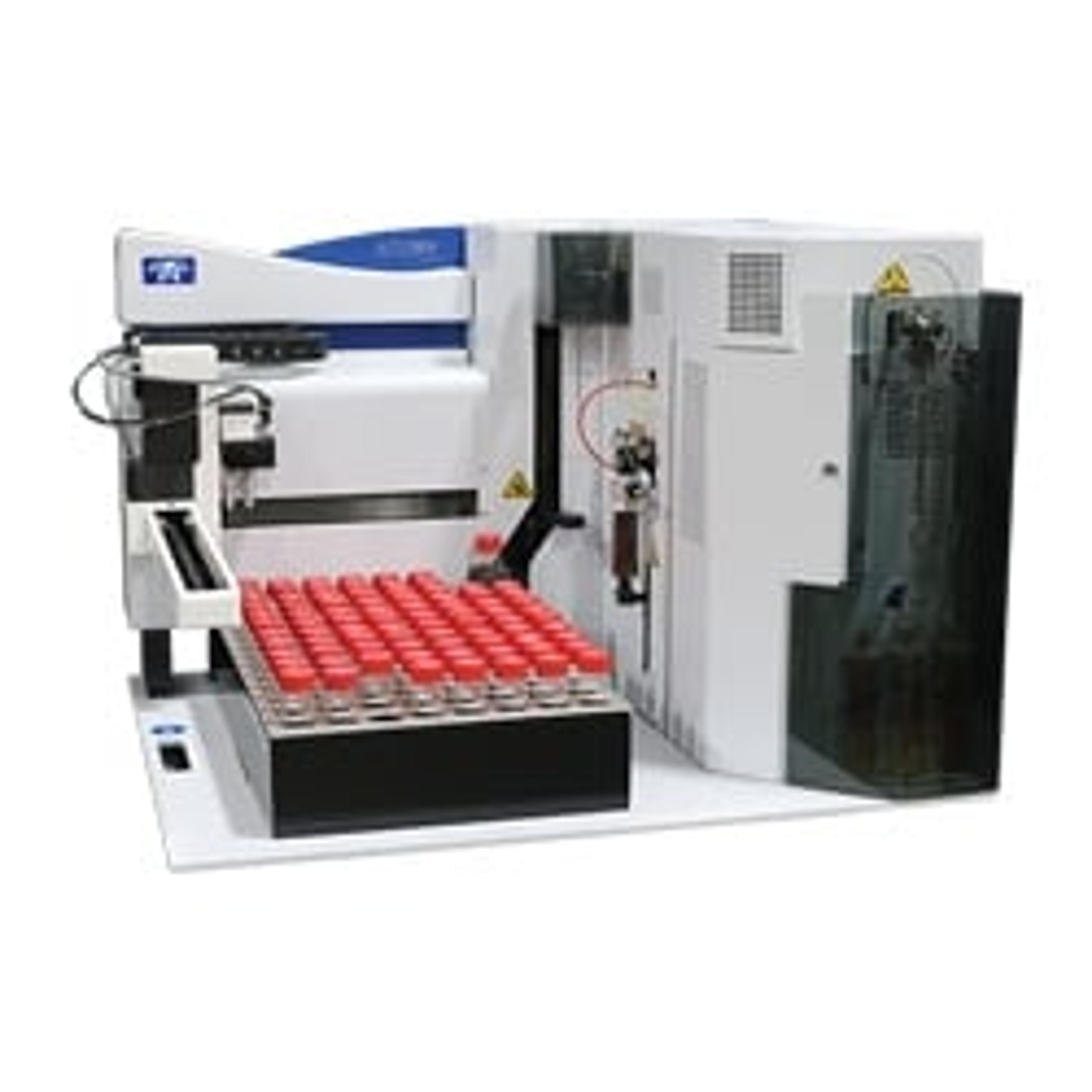
Atomx XYZ Automated VOC Sample Prep System

Teledyne Labs

Tekmar's  Atomx Automated Sample Prep System combines an Autosampler and Purge and Trap into a single instrument for the analysis of VOCs in soils and waters. This is the first of its kind and only system that employs a unique methanol extraction automation feature for high level soils in accordance with USEPA Method 5035.   Extractasol clean-up step (patent pending) in the Atomx reduces carryover or cross contamination normally associated with high-level water or soil analysis. Three new independent injection systems for internal standards, surrogates, and matrix spikes provide the ability to select variable volumes without generating waste. The Atomx features Tekmar’s proven carousel drive capable of holding 80-vials for optimal throughput therefore reducing downtime. While priced competitively, this system offers unique features that cannot be found on other sample prep systems on the market today.

(17)

Links

Tags

Gas ChromatographyGas chromatography (GC) is an analytical technique used to separate and quantitate mixtures of small and volatile compounds. Gas chromatographs or GC systems include components such as GC columns, detectors, pumps and autosamplers. Choose from packed or capillary GC columns, flame ionization (FID), photoionization (PID) electron capture detectors and selective or non-selective detectors. Find the best gas chromatographs in our peer-reviewed product directory: compare products, check customer reviews and receive pricing direct from manufacturers.Mass SpectrometryMass spectrometry (MS) is a powerful analytical technique used to identify and quantify molecules based on the mass-to-charge ratio of gas-phase ions. It provides detailed information about the structure, composition, and properties of compounds and is widely used across fields such as environmental monitoring, materials science, drug discovery and development, food and beverage testing, and wider chemical research. Key MS techniques include tandem mass spectrometry (MS/MS), liquid chromatography–mass spectrometry (LS-MS) and inductively coupled plasma (ICP-MS). Choosing from these wide range of techniques and technologies can be a daunting task, so keep up to date with scientific applications, performance expectations, and customer reviews here all in one place. Visit our product directory to receive quotes direct from the manufacturer. Environmental Monitoring and TestingEnvironmental monitoring and testing uses handheld portable analyzers, kits, spectrometers or chromatography systems for air, water, soil, food and other sample testing. Useful features of analyzers such as BOD and COD include portability, easy calibration, automation and sensitivity.  Environmental test kits for pH, water, moisture, etc, should be accurate, sensitive, reliable, fast and easy to use.Volatile Organic Compounds (VOCs)Volatile organic compounds (VOCs) are chemicals that have a low boiling point. Some VOCs are harmful to human health, whereas others can be used to determine the shelf-life of foods samples. EPA MethodsEPA methods are procedures approved by the U.S. Environmental Protection Agency for monitoring and analyzing environmental pollutants, including air, water, and soil samples. These methods are critical in ensuring public health and environmental safety. Explore EPA methods and tools in our peer-reviewed product directory; compare products, check reviews, and get pricing directly from manufacturers.Trace Level ImpuritiesTrace level impurities refer to low concentrations of unwanted substances found in chemicals, pharmaceuticals, and other products. Detecting and removing these impurities is crucial for product safety and regulatory compliance. Explore trace impurity analysis tools in our peer-reviewed product directory; compare products, check reviews, and get pricing directly from manufacturers.PhthalatesEnvironmental AnalysisEnvironmental analysis describes a variety of tests that determine the effect of chemicals, processes and particulates such as persistent organic pollutants (POPs) have on the environment.HeliumGas ChromatographyGas chromatography (GC) is an analytical technique used to separate and analyze gases or volatile liquids in a sample. It is widely used in environmental testing, food safety, pharmaceuticals, and forensic science. GC is ideal for identifying and quantifying compounds that are gaseous or can be vaporized without decomposition. Browse our peer-reviewed product directory to find the best gas chromatography systems, compare products, check reviews, and get pricing directly from manufacturers.
Reducing the helium consumption for analysis of VOCs in accordance with EPA Method 8260D without compromising performance using HeSaver-H2 Safer technology