
Reducing Specimen Rejections by Combining Bedside Scanning and Barcode Blood Bands
14 May 2012The University of Virginia (UVA) blood bank transfuses 45,000 blood components a year, including 22,000 RBC units. Since the UVA moved to using Barcode Blood Bands for Pre-Printed Labels, the blood bank staff has seen a dramatic reduction in specimen rejections. This case study describes how the change was implemented.
Related products
Request Quote for All Products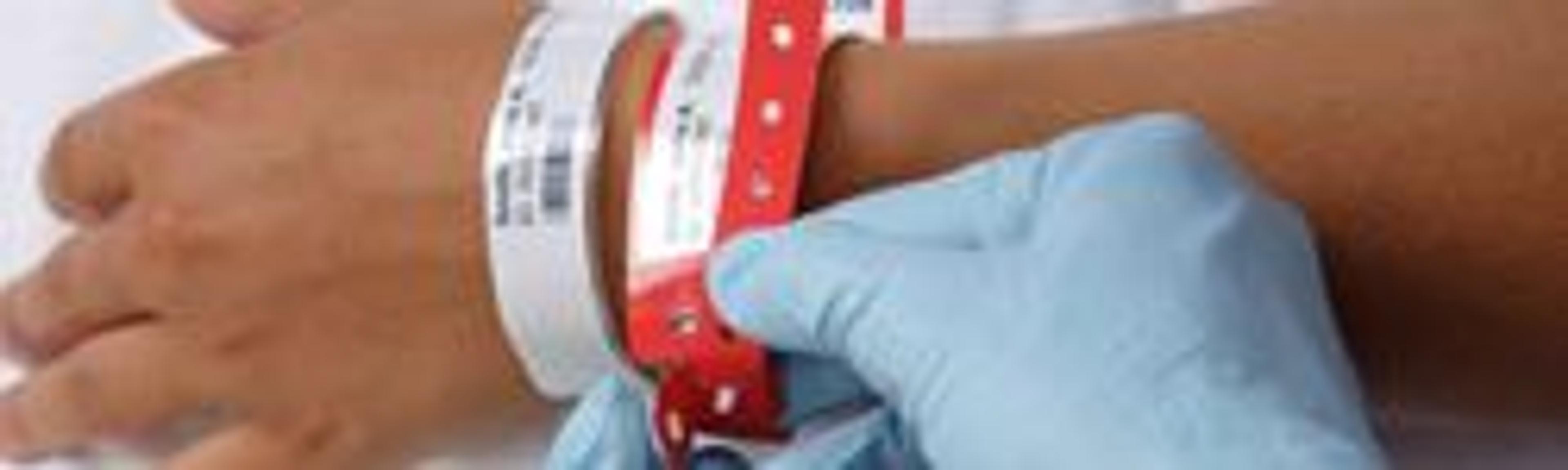
Blood Bands - Patient Identification
Typenex Medical LLCTypenex blood bands support patient identification by providing a third unique identifier. Below you’ll find the blood band to fit your approach. Barcode Blood Bands for Pre-Printed Labels The band of choice if you’re concerned about missing patient information or illegible handwriting on your blood bands. Simply place your pre-printed label on the band. A barcoded sticker is applied to the specimen tube. This barcode allows you to easily scan the blood bank ID (BBID) into your Laboratory Information System, avoiding transcription errors, and saving technician time. Barcode Blood Bands for Handwriting Plenty of space for handwriting patient information, and then protecting it. The large BBID makes it quick and easy to check at the bedside, and the barcoded specimen tube labels allow you to easily scan the blood bank ID (BBID) into your Laboratory Information System, avoiding transcription errors while saving technician time. Barcode Blood Bands Use your blood band to provide an additional unique identifier, without the need to write or apply patient information. Barcoded specimen tube labels allow you to easily scan the blood bank ID (BBID) into your Laboratory Information System, avoiding transcription errors while saving technician time. R3 Band The R3 Band allows for reattaching or resizing any Typenex Barcode Blood Band, in the event that the blood band must be cut off in preparation for surgery, or for patients with edema, for example. FlexiBlood Bands and Forms Designed with durability and safety in mind, the Flexi Band will last for 7 or more days, and provides a blood bank ID (BBID) in both alphanumeric and barcode form, so you can scan the BBID into your Laboratory Information System, reducing chance of transcription errors while saving technician time. Original Bands The first blood band designed specifically for transfusion patients, the Original Band offers simple prompts for handwriting patient information.