
ResourceFood and Beverage
Rapid, Simple and Effective Clean-up of Bovine Liver Samples Prior to UPLC-MS/MS Multiresidue Veterinary Drugs Analysis
11 Nov 2017To ensure public health and safety, reliable analytical methods are necessary to determine veterinary drug residue levels in edible tissue samples such as beef liver. In order to maximize throughput and minimize costs it is desirable to determine the widest possible range of veterinary drug residue in tissue samples with a single analytical method.
Related products
Request Quote for All Products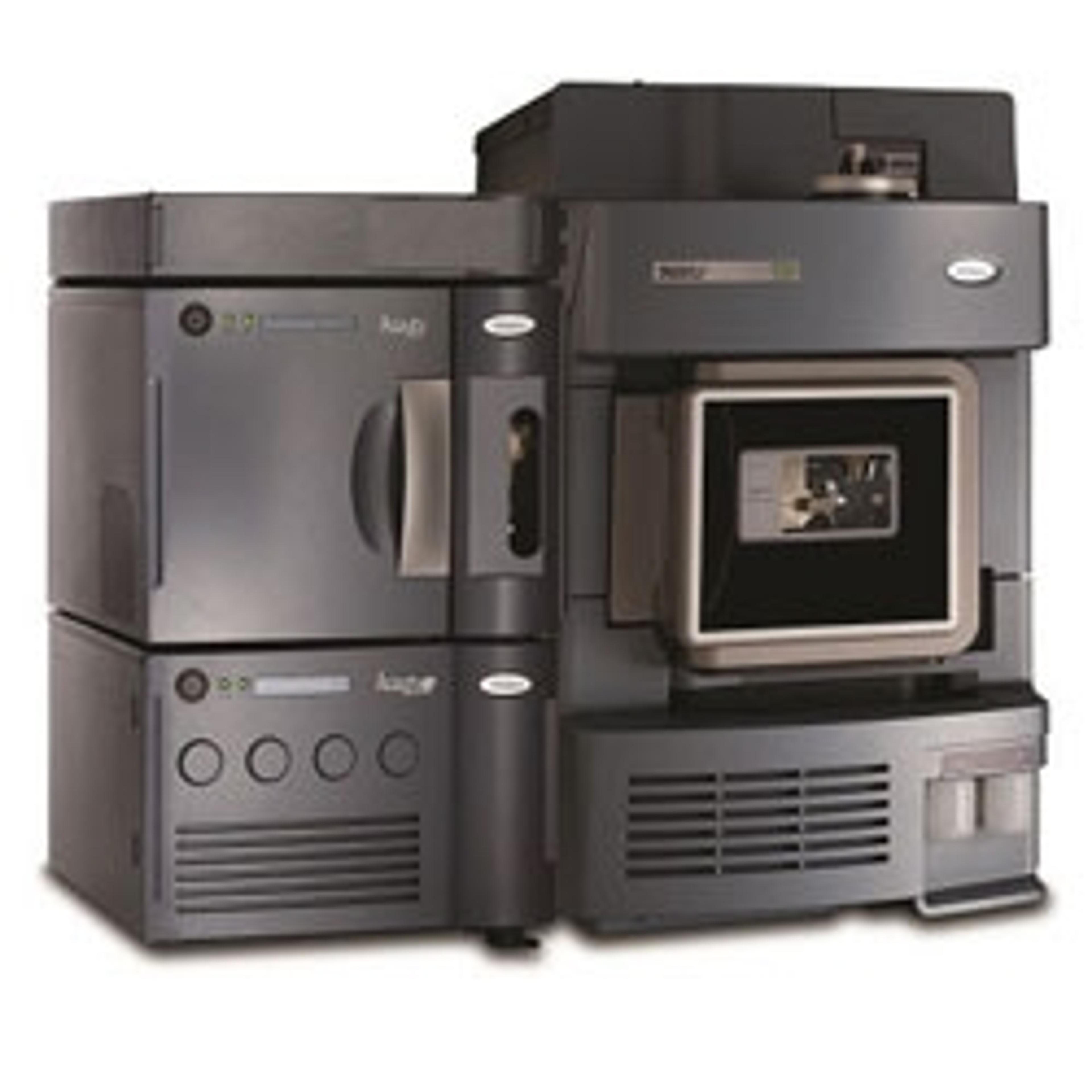
ACQUITY UPLC I-Class / Xevo TQD IVD System
WatersThe rugged, robust and reliable Xevo TQD – a solid performer for clinical analyses

Xevo TQ-XS Triple Quadrupole Mass Spectrometer
WatersExpanding ultimate sensitivity analysis. Maximizing your compound coverage.
Links
Tags
MicrobiologyMicrobiology is the study of microorganisms including protists, prokaryotes, fungi, and, often, viruses. Microorganisms are a useful research tool as genetic vectors and, in immunology, for antibiotic susceptibility testing, cellular biology and genetics. Microorganisms commonly grow readily in incubators with microbial culture media; this can contain chromogenic supplements to differentiate between cell lines. Estimate your culture’s density of microorganisms with colony counters, or screen and select colonies for desirable clones with automated colony pickers. Additionally, equipment is available to monitor environments for the presence of microbes and identify with microbial identification instruments. Find the best microbiology products in our peer-reviewed product directory: compare products, check customer reviews and receive pricing direct from manufacturers.Food and Beverage ProcessingFood and Beverage Processing involves the preparation of food products for further analysis. Typical instrumentation includes blanchers, color sorters, cookers, grinders, and refrigeration. These are used to replicate the processes commonly used in the commercial preparation of food and beverages.Food SafetyFood safety describes the prevention of food-borne illnesses. Contamination with a variety of pathogens can be prevented with adequate temperature control, hygiene and labeling. Food samples can be tested using GC/MS, HPLC, SPE, and qPCR to ensure their adherence to regulations.Food ContaminationFood contamination refers to the presence of harmful substances or pathogens in food, posing risks to human health. Contaminants can be biological, chemical, or physical, and their detection is crucial for ensuring food safety. Advanced testing methods like PCR, chromatography, and spectroscopy are used to identify contaminants in food products. Browse our peer-reviewed product directory to find the best solutions for food contamination detection, compare products, check reviews, and get pricing directly from manufacturers.