
ResourceSeparations
Quantitative Determination of Volatile Organic Pollutants in Water Using Headspace–Trap GC–MS
27 Nov 2018This study shows that headspace samples acquired on the new Centri automated multi-mode sampling and concentration system for gas chromatography–mass spectrometry (GC–MS) can be used to quantify a wide range of volatile organic pollutants in water. Analysis of an 83-component standard based on the list in US EPA Method 524.2 showed chromatographic performance within the requirements of the method, as indicated by the mean values for linearity (R2 0.9990), reproducibility (6.9% RSD) and analyte recovery (90%), and a mean detection limit of 0.11 ppb.
Related products
Request Quote for All Products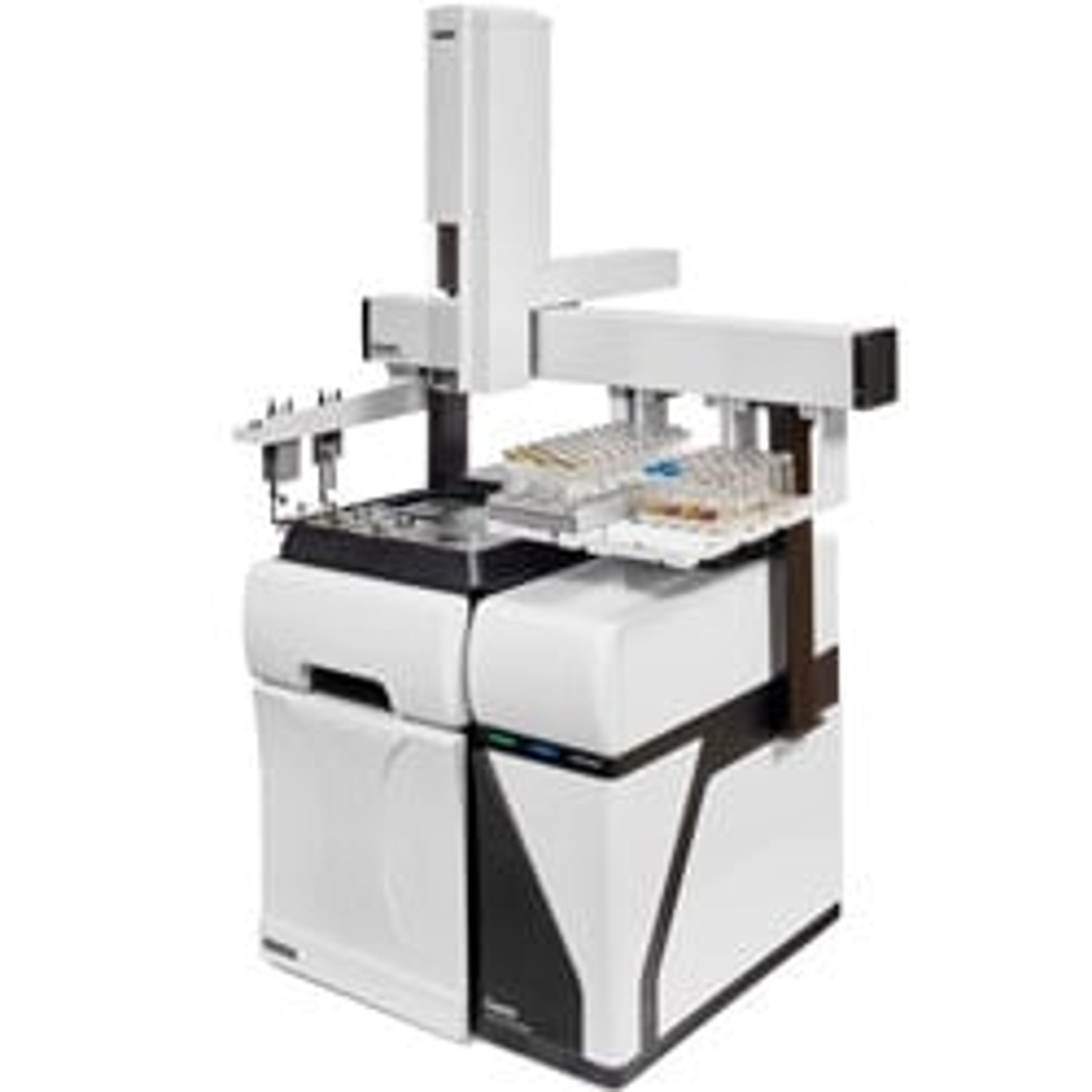
Links
Tags
Gas ChromatographyGas chromatography (GC) is an analytical technique used to separate and quantitate mixtures of small and volatile compounds. Gas chromatographs or GC systems include components such as GC columns, detectors, pumps and autosamplers. Choose from packed or capillary GC columns, flame ionization (FID), photoionization (PID) electron capture detectors and selective or non-selective detectors. Find the best gas chromatographs in our peer-reviewed product directory: compare products, check customer reviews and receive pricing direct from manufacturers.GC-MS GC-MS (gas chromatography-mass spectrometry) instruments and equipment are used to separate, quantify and identify mixtures of small and volatile compounds, such as polycyclic aromatics, fatty acids and alcohols. Often used in drug detection, forensic investigation and environmental analysis for pesticides and contaminants, GC-MS is a powerful addition to your lab’s analytical capabilities. GC-MS/MS instruments equipped with a qTOF or triple quadrupole analyzers can give greater sensitivity and resolution to your analysis. Find the best GC-MS instruments and equipment in our peer-reviewed product directory: compare products, check customer reviews and receive pricing direct from manufacturers.Volatile Organic Compounds (VOCs)Volatile organic compounds (VOCs) are chemicals that have a low boiling point. Some VOCs are harmful to human health, whereas others can be used to determine the shelf-life of foods samples. Water AnalysisAnalytical methods used to test the purity of drinking water include determining the level of contaminants abides to the level set by the Environmental Protection Agency (EPA).VolatilesVolatiles are a group of compounds that have a low boiling point and evaporate at room temperature. Volatiles, such as volatile organic compounds (VOCs), can be used to determine shelf-life of food samples. GC-MS is typically used to analyze volatiles.Headspace SamplerOrganic CompoundsOrganic compounds are carbon-based molecules that form the building blocks of life. These include hydrocarbons, lipids, proteins, and nucleic acids. Understanding organic compounds is crucial in chemistry, biochemistry, and pharmacology. Explore organic compound analysis tools in our peer-reviewed product directory; compare products, check reviews, and get pricing directly from manufacturers.Gas ChromatographyGas chromatography (GC) is an analytical technique used to separate and analyze gases or volatile liquids in a sample. It is widely used in environmental testing, food safety, pharmaceuticals, and forensic science. GC is ideal for identifying and quantifying compounds that are gaseous or can be vaporized without decomposition. Browse our peer-reviewed product directory to find the best gas chromatography systems, compare products, check reviews, and get pricing directly from manufacturers.