
ResourceSeparations
Quantitative analysis of microplastics in bottled drinks
20 May 2020There is a growing concern that the accumulation of microplastics in the environment could have an adverse effect on human health, so identifying and quantifying them is important. Microplastics are particles or polymeric fibres equal to or smaller than 5 mm and originate from sources such as plastic bottles, food packaging, toys and clothing. This poster details the analysis of bottled beverages to measure the leaching of polyethylene terephthalate (PET) from the plastic bottle into the beverage.
Related products
Request Quote for All Products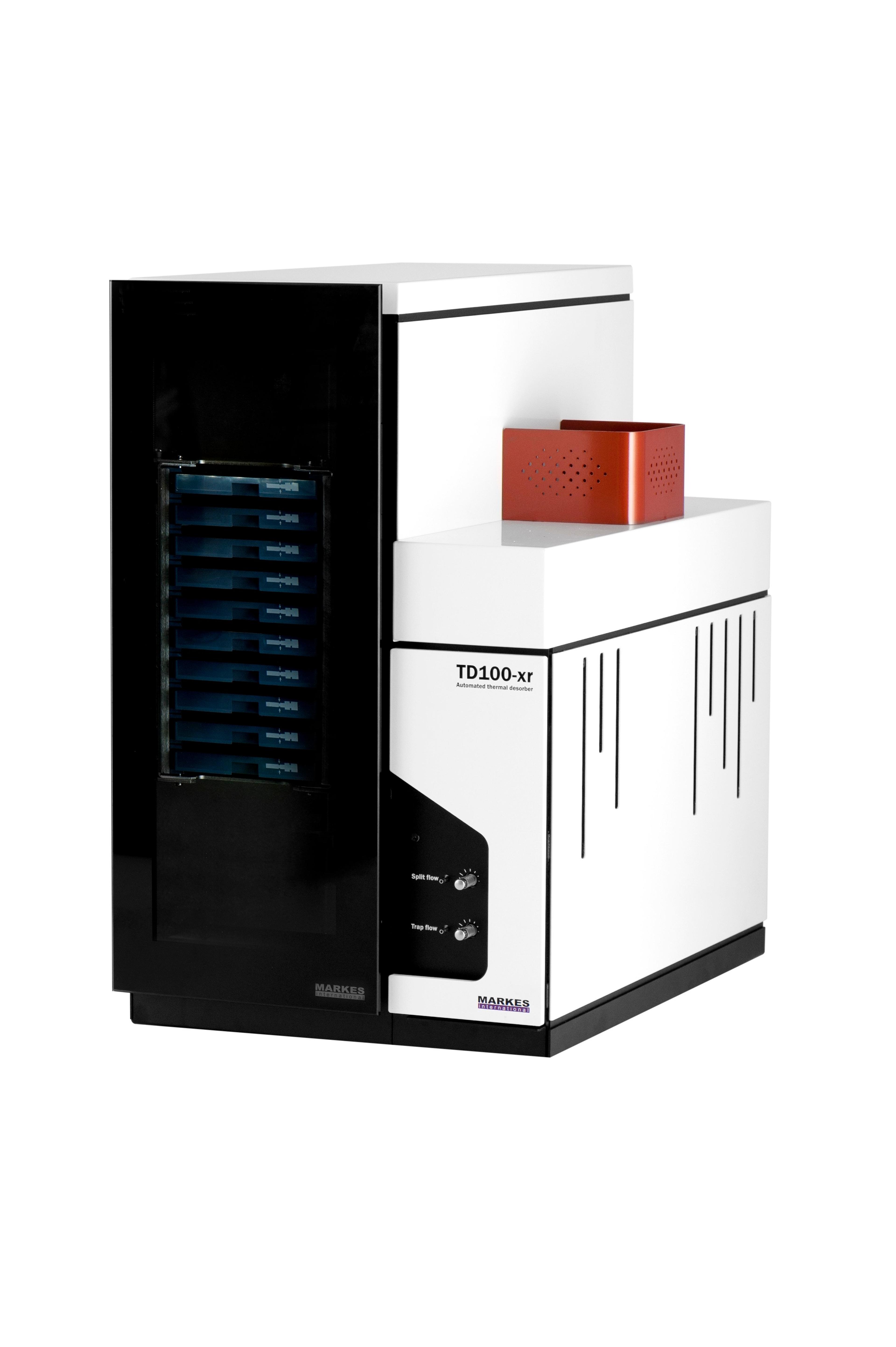
TD100-xr
Markes International LtdFully-automated analytical thermal desorption instrument for GC or GC–MS
Links
Tags
GC-MS GC-MS (gas chromatography-mass spectrometry) instruments and equipment are used to separate, quantify and identify mixtures of small and volatile compounds, such as polycyclic aromatics, fatty acids and alcohols. Often used in drug detection, forensic investigation and environmental analysis for pesticides and contaminants, GC-MS is a powerful addition to your lab’s analytical capabilities. GC-MS/MS instruments equipped with a qTOF or triple quadrupole analyzers can give greater sensitivity and resolution to your analysis. Find the best GC-MS instruments and equipment in our peer-reviewed product directory: compare products, check customer reviews and receive pricing direct from manufacturers.Volatile Organic Compounds (VOCs)Volatile organic compounds (VOCs) are chemicals that have a low boiling point. Some VOCs are harmful to human health, whereas others can be used to determine the shelf-life of foods samples. Thermal DesorptionThermal desorption is a technique used to release volatile compounds from solid samples by heating them. It is often used in environmental testing and analysis of complex materials. Explore thermal desorption systems in our peer-reviewed product directory; compare products, check reviews, and get pricing directly from manufacturers.Drinking Water AnalysisAnalytical methods used to test the purity of drinking water include determining the level of contaminants abides to the level set by the Environmental Protection Agency (EPA).