Quantitation of over 1,000 pesticide residues in tomato according to SANTE 11312/2021 guideline

23 Jul 2024

Residues of pesticides remaining in or on commodities such as fruits, vegetables, or cereals can cause adverse health effects as well as environmental concerns. In Europe, pesticide testing laboratories adhere to the SANTE 11312/2021 guideline, which ensures a consistent approach for controlling maximum residue levels (MRLs) that are legally permitted in food or animal feed, and requires an elaborate analysis. Agilent highlights a workflow that will help streamline routine pesticide analysis, analyzing over 1,000 pesticide residues in tomato using a single QuEChERS extraction for sample preparation.

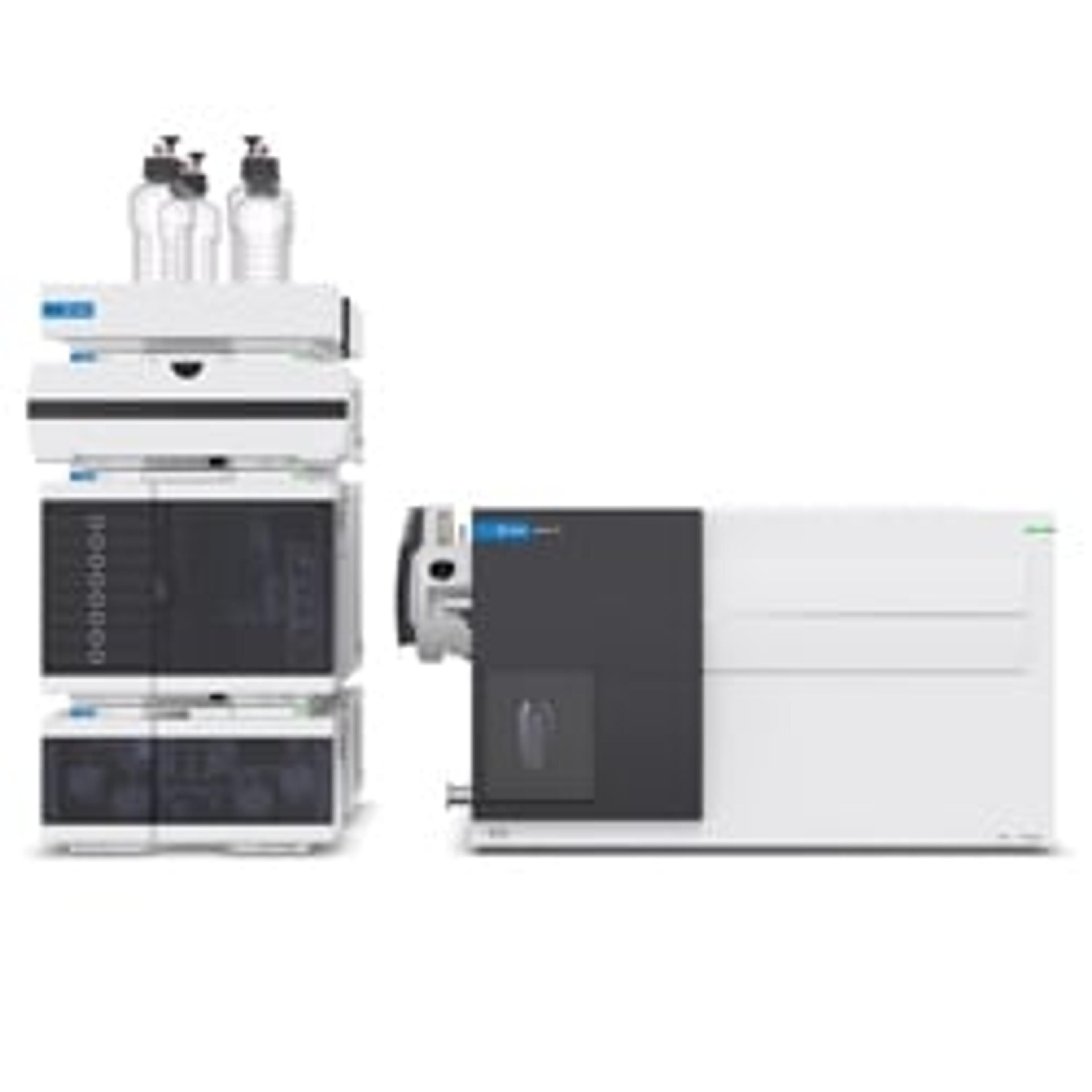
Agilent 1290 Infinity II LC System

Agilent Technologies

The 1290 Infinity II LC System is an ultra-high performance LC that has market-leading sample capacity and is designed for the lowest dispersion for the most challenging ultra-HPLC experiments. The 1290 Infinity II LC system is designed to be both a HPLC and high-end UHPLC system in a single flow path, giving you robust and excellent performance no matter what application you are running while seamlessly integrating into your existing laboratory environment.
(91)

Links

Tags

LC-MSLC-MS (liquid chromatography-mass spectrometry) systems and equipment are used for separation and quantitative analysis of complex mixtures, combining liquid chromatography and mass spectrometry. Quantify proteins, contaminants, pesticides or screen for drug metabolites with a high level of sensitivity. LC-MS systems and equipment include reverse phase, normal phase and specialized columns integrated with various MS detectors such as time-of-flight (TOF), quadrupole, orbitrap or ion trap mass analyzers. LC-MS/MS instruments equipped with a qTOF or triple quadrupole analyzer give greater sensitivity and resolving power to your analysis. Find the best LC-MS equipment in our peer-reviewed product directory: compare products, check customer reviews and receive pricing direct from manufacturers.GC-MS GC-MS (gas chromatography-mass spectrometry) instruments and equipment are used to separate, quantify and identify mixtures of small and volatile compounds, such as polycyclic aromatics, fatty acids and alcohols. Often used in drug detection, forensic investigation and environmental analysis for pesticides and contaminants, GC-MS is a powerful addition to your lab’s analytical capabilities. GC-MS/MS instruments equipped with a qTOF or triple quadrupole analyzers can give greater sensitivity and resolution to your analysis. Find the best GC-MS instruments and equipment in our peer-reviewed product directory: compare products, check customer reviews and receive pricing direct from manufacturers.QuEChERSThe QuEChERS (Quick, Easy, Cheap, Effective, Rugged, and Safe) method is a streamlined approach that is used to extract multi-residue target compounds from food samples. It is most commonly used by analytical chemists studying pesticide residues in food.Food SafetyFood safety describes the prevention of food-borne illnesses. Contamination with a variety of pathogens can be prevented with adequate temperature control, hygiene and labeling. Food samples can be tested using GC/MS, HPLC, SPE, and qPCR to ensure their adherence to regulations.Residual PesticidesTandem MS