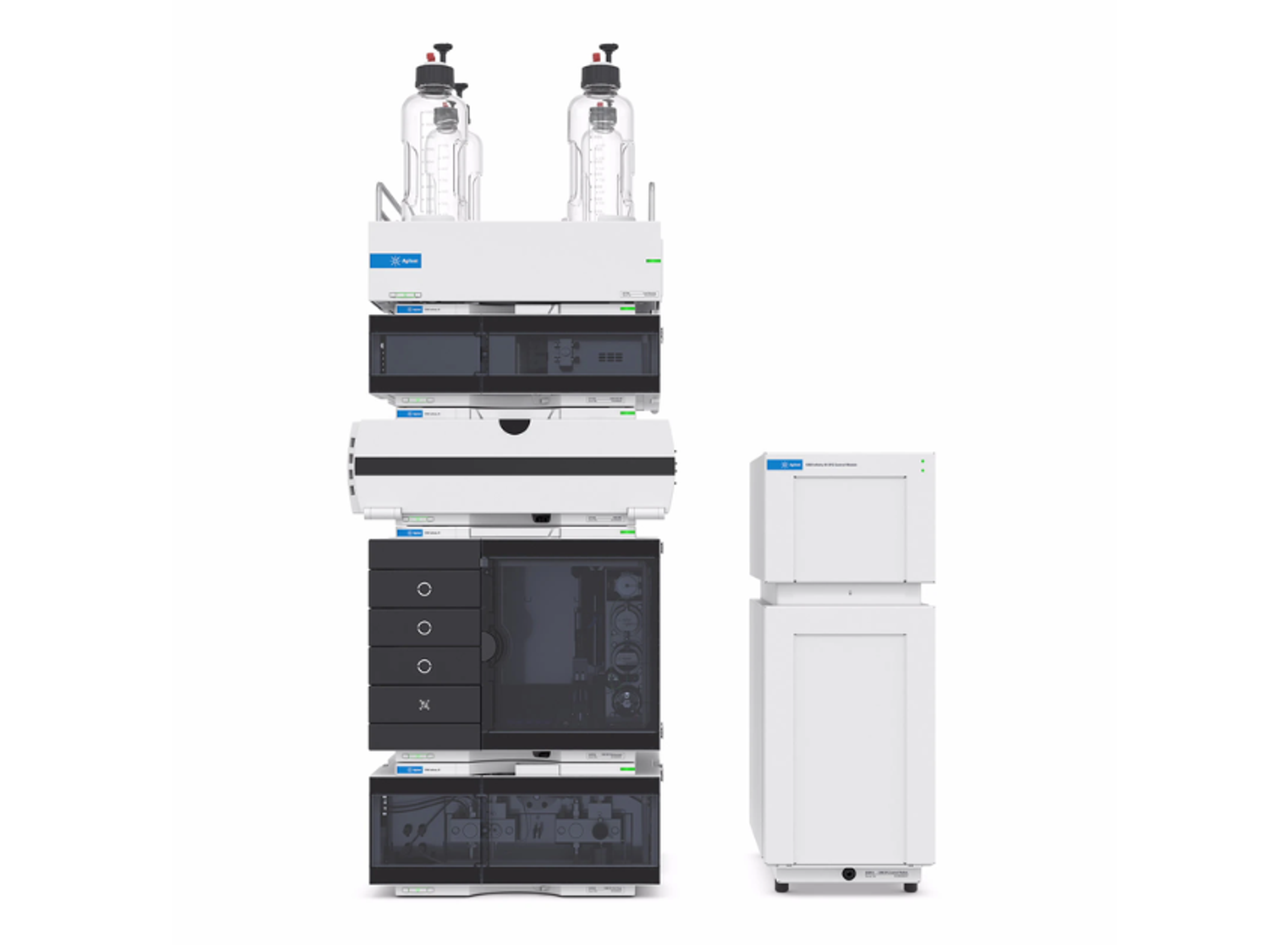
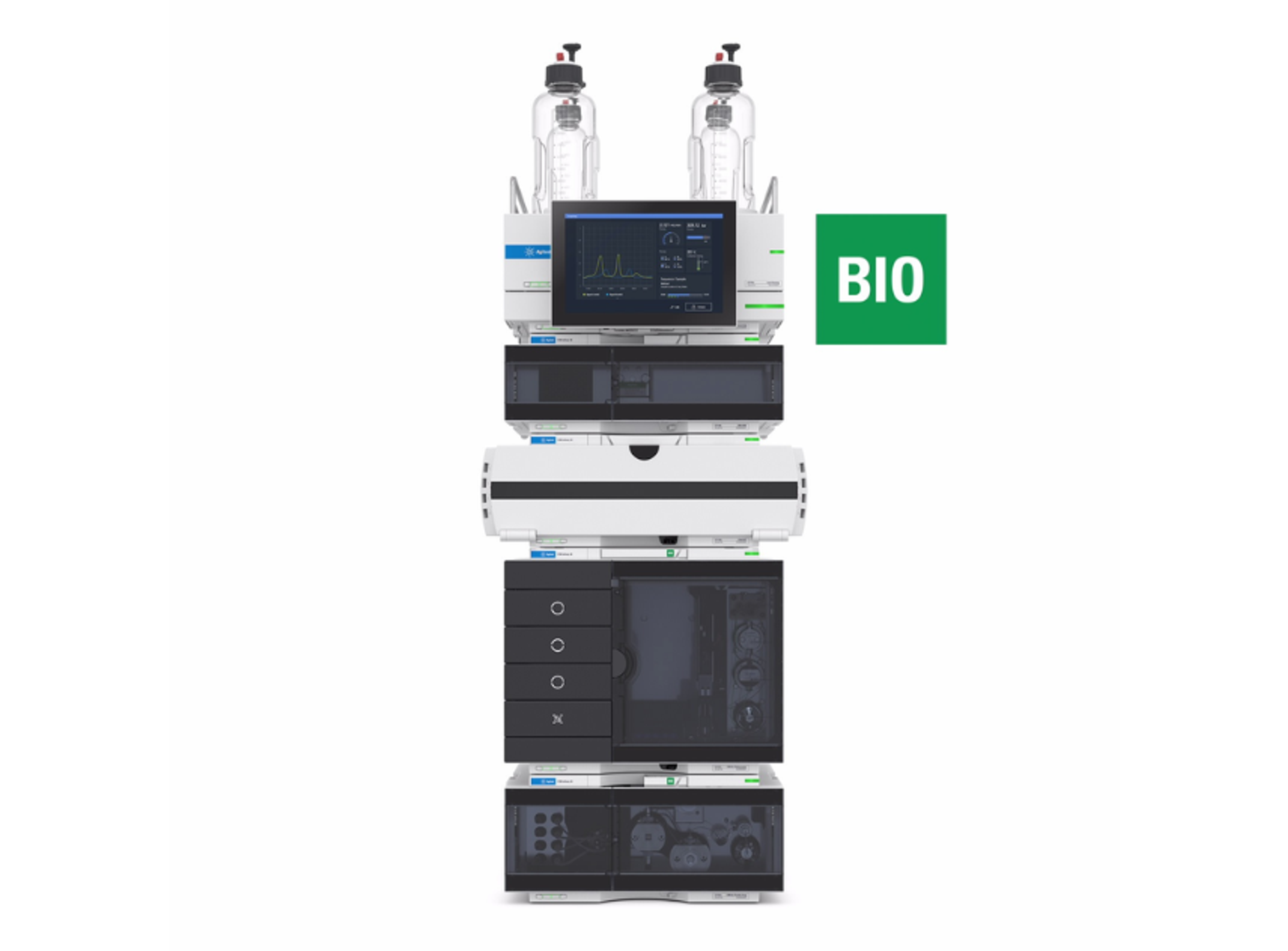
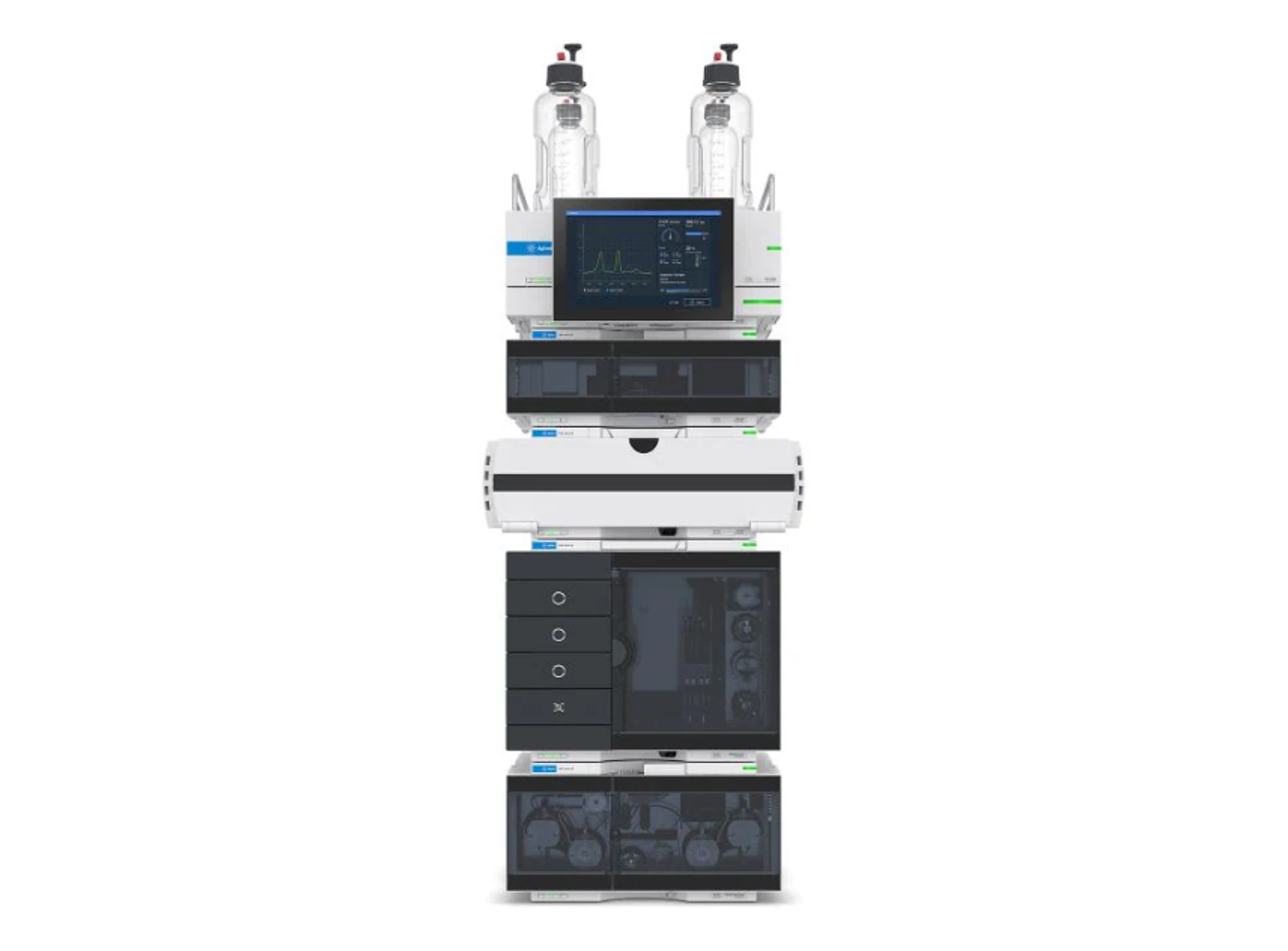
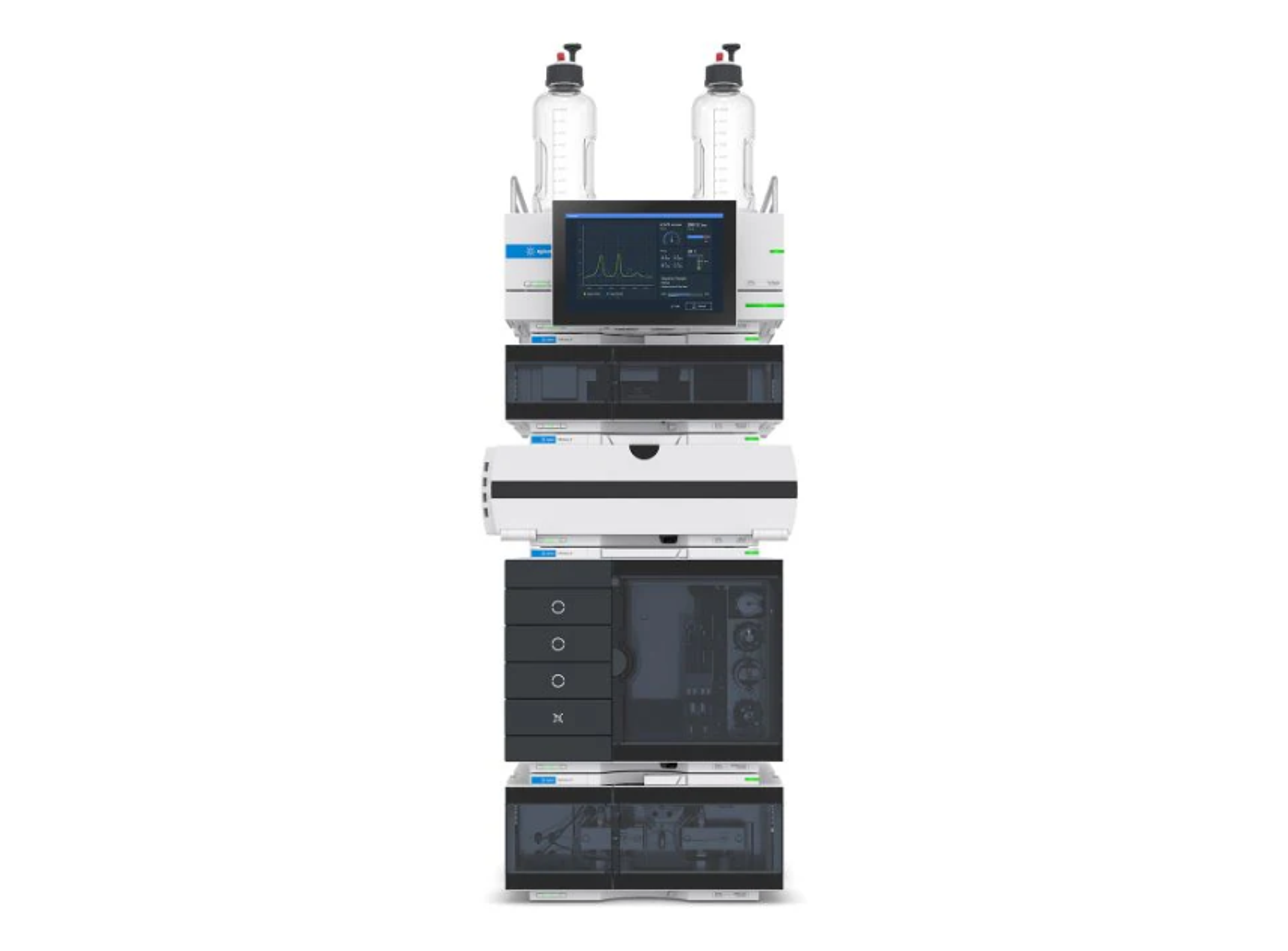
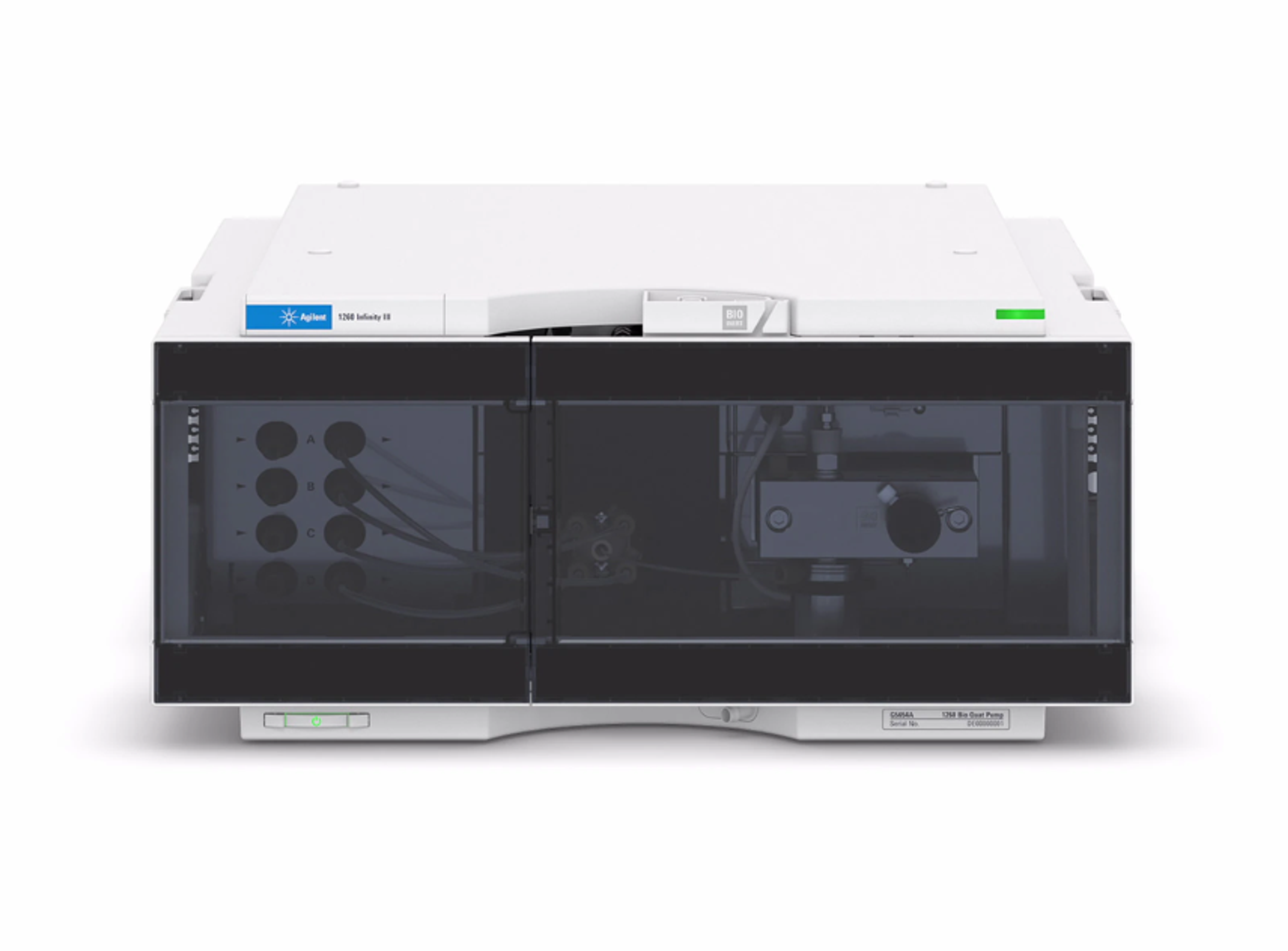
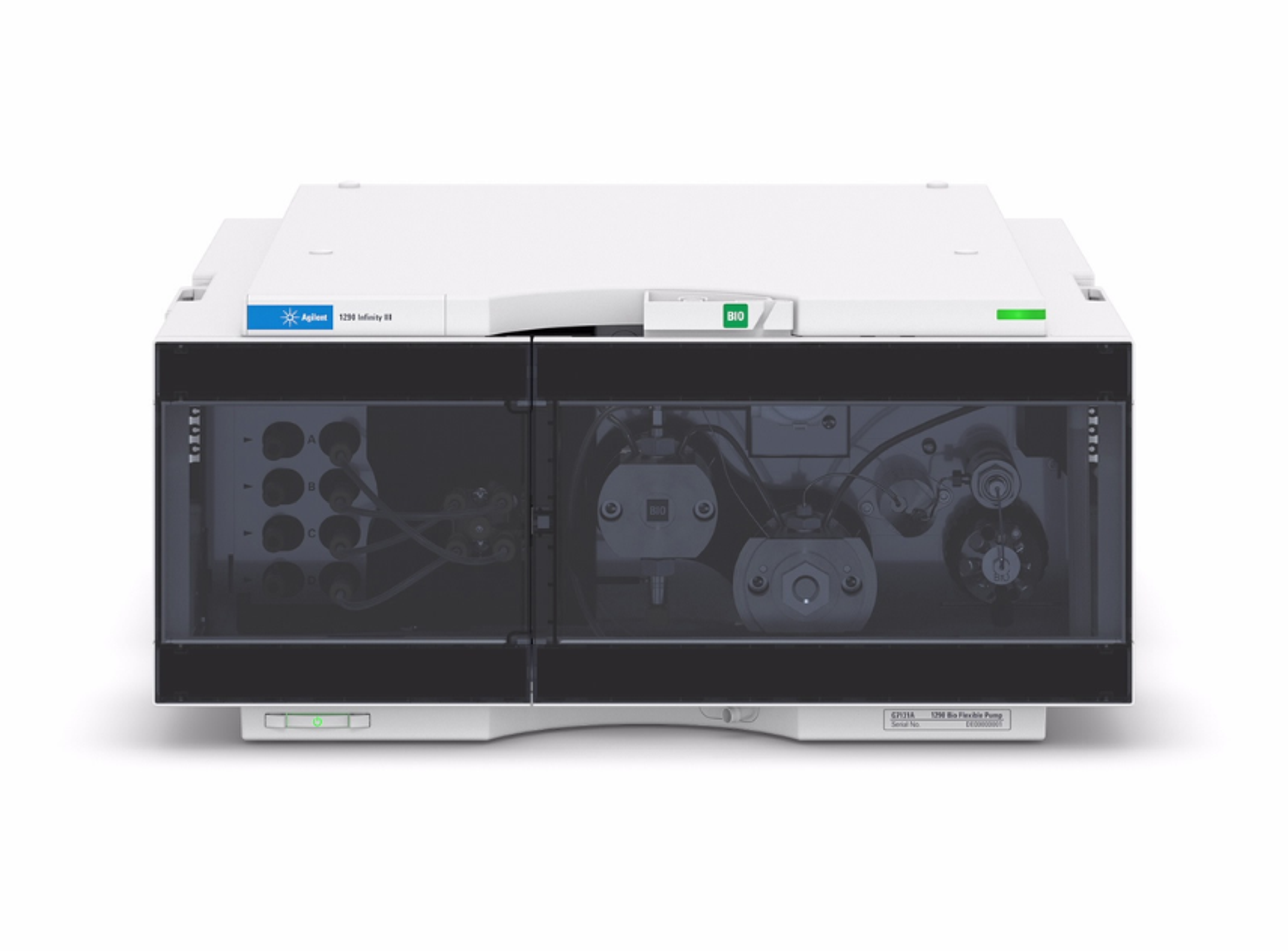
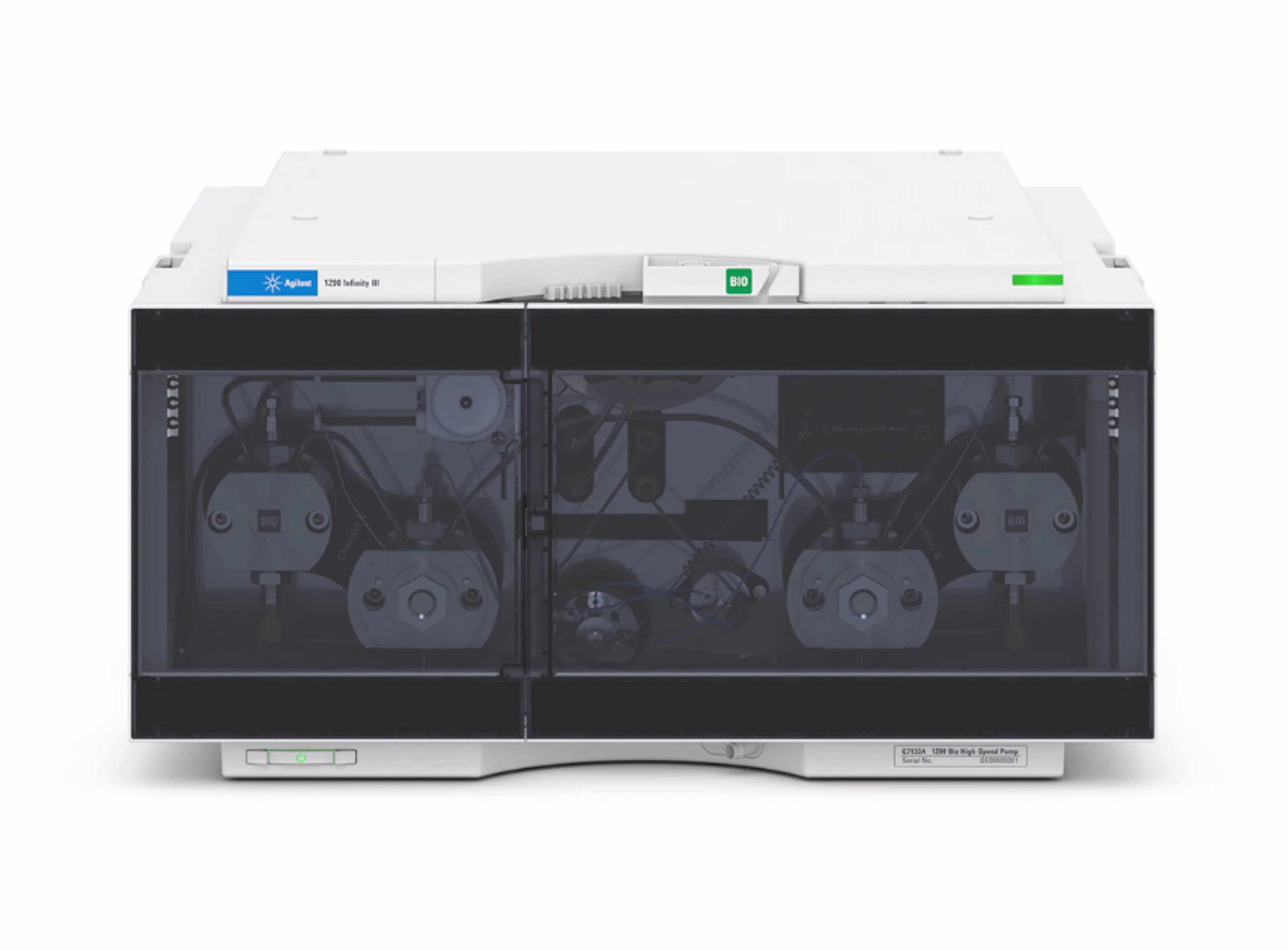
Agilent 1290 Infinity II LC System
The 1290 Infinity II LC System is an ultra-high performance LC that has market-leading sample capacity and is designed for the lowest dispersion for the most challenging ultra-HPLC experiments. The 1290 Infinity II LC system is designed to be both a HPLC and high-end UHPLC system in a single flow path, giving you robust and excellent performance no matter what application you are running while seamlessly integrating into your…



Receive your quote directly from the manufacturer.
For analytical activities, it is excellent equipment and comes highly recommended.
Analysis of active pharmaceutical Ingredients (APIs).
High-performance equipment, very reliable and effective. It is simple to operate and designed for any analytical activities.
Review Date: 9 Feb 2023 | Agilent Technologies
The 1290 Infinity II LC System is an ultra-high performance LC that has market-leading sample capacity and is designed for the lowest dispersion for the most challenging ultra-HPLC experiments. The 1290 Infinity II LC system is designed to be both a HPLC and high-end UHPLC system in a single flow path, giving you robust and excellent performance no matter what application you are running while seamlessly integrating into your existing laboratory environment.
Features:
- More chromatographic resolution from specially designed components in the sample flow path to achieve the lowest system dispersion
- Higher peak capacity for challenging separations - switch easily between single dimension high-end UHPLC and the ultimate chromatographic power of 2D-LC
- Lower carryover for uncompromised data quality - multiwash capabilities of the Agilent 1290 Infinity II Multisampler reduce carryover to less than 10 ppm even for challenging compounds such as chlorohexidine
- Unique detection capabilities - combine lowest detection limits with an ultrawide dynamic range by using the new Agilent 1290 Infinity II HDR-DAD or 1290 Infinity II ELSD
- Faster injection cycles with dual-needle injection - for higher sample throughput
- Higher sample capacity per bench space - up to 6144 samples within the footprint of a standard Agilent stack
- Flexibility for all applications - through wide power, temperature, an automatically scalable injection range, and gradient options
- Seamless transfer of methods between LCs, regardless of the brand - facilitated by intelligent system emulation technology (ISET) delivering unchanged retention time and peak resolution
- Seamless integration in your chromatography data system - Agilent InfinityLab LC instrumentation runs smoother when controlled through third-party chromatography data systems such as Waters Empower or Thermo Scientific’s Chromeleon using the Agilent instrument control framework (ICF)
- Lower total cost of ownership - select from a variety of tools to achieve lowest cost-per-sample
Brochures

Elevate your Infinity II LC to Infinity III LC
The Agilent Infinity II LC Series has been a trusted solution for over a decade, consistently delivering reliable analytical results. Building on this proven foundation, the Agilent 1260/1290 Infinity III LC Series introduces enhanced automation, system health indicators, and guided assistance to simplify routine operations and significantly reduce operator training and troubleshooting time. Designed with full backward compatibility, the Infinity III LC Series enables seamless upgrades without compromising existing methods or results from Infinity II LC systems.
Download this resource to explore what’s new in the Agilent Infinity III LC Series and learn how you can future-proof your Infinity II LC investment with minimal disruption.

Intelligent reflex targeted reinjection workflow for pesticide screening in food matrices
Robust and reliable screening methods for pesticide analysis in food matrices are a continuous point of challenge with the growing number of matrix samples, varying detection limits, and a continuously expanding list of emerging contaminants. Data-independent acquisition (DIA) methods allow users to simultaneously screen for targets of interest while also evaluating valuable information on unknown compounds. Agilent Technologies demonstrates a DIA methodology for the screening of pesticides in a complex matrix with the Agilent Revident Q-TOF LC/MS. Plus, discover how intelligent reflex automated targeted reinjection has been used for the acquisition of compounds screened as present or questionable.
Quantitation of over 1,000 pesticide residues in tomato according to SANTE 11312/2021 guideline
Residues of pesticides remaining in or on commodities such as fruits, vegetables, or cereals can cause adverse health effects as well as environmental concerns. In Europe, pesticide testing laboratories adhere to the SANTE 11312/2021 guideline, which ensures a consistent approach for controlling maximum residue levels (MRLs) that are legally permitted in food or animal feed, and requires an elaborate analysis. Agilent highlights a workflow that will help streamline routine pesticide analysis, analyzing over 1,000 pesticide residues in tomato using a single QuEChERS extraction for sample preparation.
Guide to targeted quantification and screening of PFAS compounds in environmental matrices
From nonstick cookware to fire-fighting foam, per- and polyfluoroalkyl substances (PFAS) have been some of the most widely used chemicals in industry and manufacture for the past 70+ years. These human-made chemicals do not break down easily and thus are extremely pervasive in the environment and the body. In this application note, Agilent explores the basics of PFAS analysis and the regulatory framework for PFAS analysis. Both laboratories new to PFAS analysis and experts alike will learn best practices for PFAS analysis and how to future-proof their lab for this ever-evolving area of environmental analysis.
Simplified and fast analysis of per- and polyfluoroalkyl substances in non-potable waters
In this application note, Agilent describes a method for the separation and detection of 28 per- and polyfluoroalkyl substances (PFAS) in water samples. The method uses an Agilent 1290 Infinity II LC coupled to an Agilent 6470A triple quadrupole LC/MS system with Agilent MassHunter workstation software. All the PFASs included in the ASTM 7979 method are analyzed, and the same sample preparation protocol is used. Water samples of 5 mL are diluted with an equal volume of methanol and injected directly for a reporting limit of 10 parts per trillion (ppt, ng/L) or lower for most of the compounds.
A comprehensive workflow for PFAS analysis in wastewater with extended EPA draft method 1633 list
In this application note, Agilent addresses the challenge of detecting trace levels of per- and polyfluoroalkyl substances (PFAS) in wastewater due to their stability and bioaccumulation potential. Agilent presents a comprehensive workflow based on EPA draft Method 1633, involving solid-phase extraction (SPE) and clean-up steps, followed by LC-MS/MS analysis and automated reporting. This methodology provides a reliable and robust solution for targeted PFAS analysis in complex matrices, overcoming interference from environmental matrices and background contaminants.
FluoroMatch 3.0 – Automated PFAS non-targeted analysis and visualizations applied to mammalian biofluids
In this application note, Agilent highlights the growing concern over the persistence and toxicity of per- and polyfluorinated substances (PFAS). While most attention focuses on a limited number of PFAS, targeted analysis often covers only a fraction of the total compounds. Uncommonly measured or unknown PFAS are increasing due to manufacturing alternatives, necessitating non-targeted analysis. Agilent introduces FluoroMatch 3.0 to address this gap, presenting its new developments and application to dried blood spots, aiming to enhance PFAS measurement coverage and understand their implications on human health more comprehensively.
Unravel the PFAS puzzle with comprehensive targeted & untargeted workflows
Per- and polyfluorinated substances (PFAS) are a group of human-made chemicals used in various industries, known for their persistence in the environment and potential health risks. In this webinar, Agilent discusses the use of both targeted and untargeted workflows, emphasizing a comprehensive approach to understanding PFAS. Experts share information on the latest techniques and technologies, enabling researchers and professionals to gain deeper insights into PFAS and address environmental and health concerns related to these substances.
The PFAS lab of the future
In this webinar, Agilent presents a glimpse into the future of PFAS labs, focusing on optimized workflows, enhanced efficiency, artificial intelligence, and increased throughput. Unlike traditional discussions about methods and regulations, this session explores a forward-looking lab environment. It delves into automated sample collection and preparation, employing smart, self-driving analytical instruments capable of automated maintenance feedback, minimizing manual data review through intuitive software. The future PFAS lab prioritizes user experience, compliance, and seamless data transfer, creating a streamlined and productive analytical space.
Sustainable solutions for life science research
In this video, Agilent Technologies emphasizes the importance of sustainability in life science research, and introduces its adjuvant chromatography instruments, which are built sustainably and designed to be resource efficient. Agilent Technologies has collaborated with My Green Lab to achieve excellent results with the ACT label (accountability, consistency, and transparency), a Global Green Accreditation.