ResourceSeparations

Quantitation of Human Plasma and Breast Milk Thiamine Monophosphate (TMP) and Thiamine by Applying Impact™ Protein Precipitation Plate Technology with Gemini® 3 μm NX-C18 HPLC Columns

23 Dec 2014

Thiamine monophosphate (TMP) and thiamine were extracted from human plasma and human breast milk by performing a rapid protein precipitation using Impact Protein Precipitation Plates followed by HPLC analysis using a Gemini 3 μm NX-C18 100 x 3.0 mm HPLC column with fluorescence detection. Impact technology offers easy, fast protein removal while providing maximized recovery of the target analytes. The Gemini 3 μm NX-C18 HPLC column produced excellent chromatographic resolution, sensitivity, and high peak capacities.

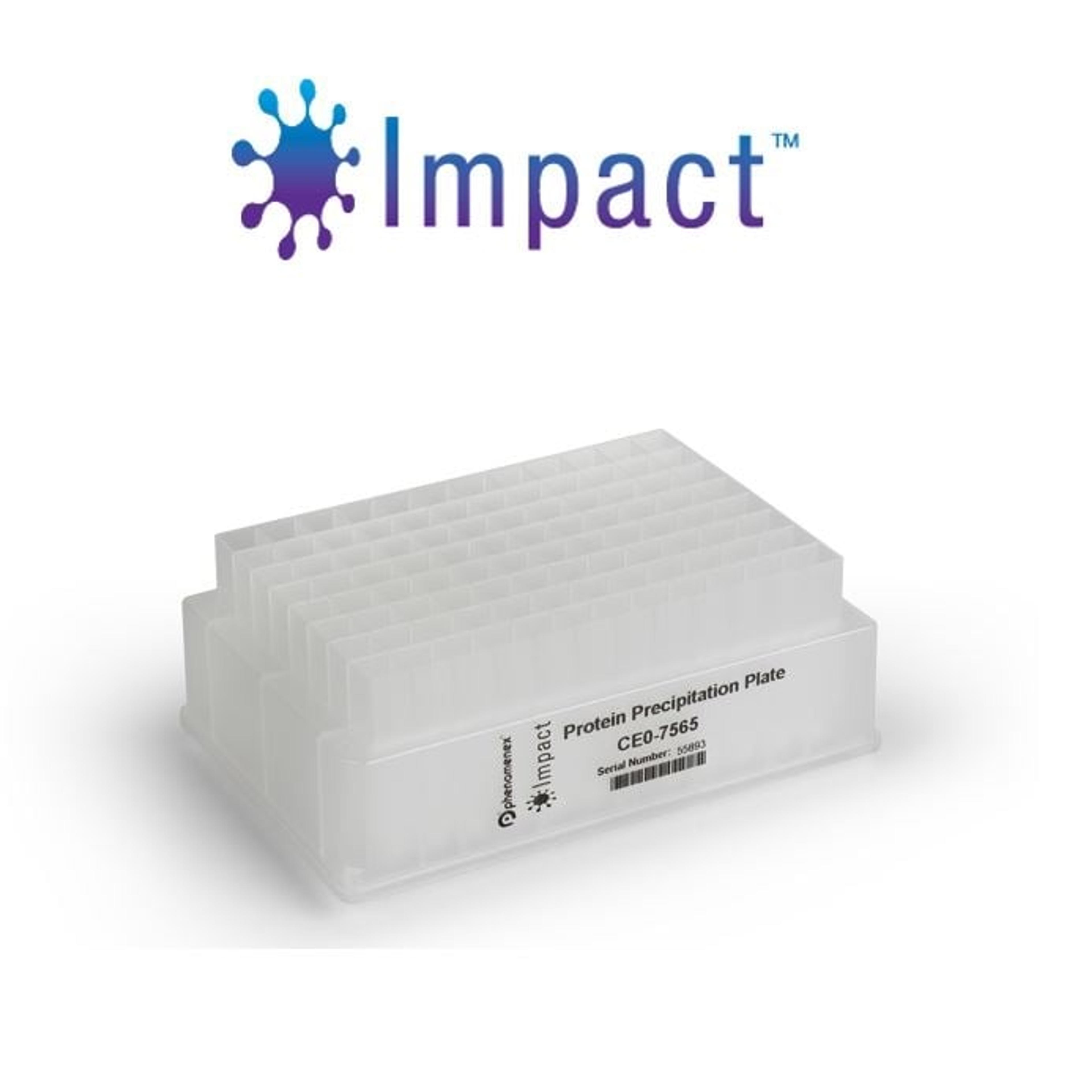
Impact™ Protein Precipitation Plates

Phenomenex Inc

Impact™ protein precipitation plates with Solvent Shielding Technology™ offer a rapid and convenient way to remove proteins from plasma and tissue homogenate samples prior to analysis.The Solvent Shielding Technology design will withhold organic solvents above the filter membranes for up to 25 minutes, allowing for direct in-well precipitation upon sample addition. The precipitate is then filtered out via vacuum, centrifuge or positive pressure resulting in a clean, protein depleted extract.
(0)

Gemini pH Flexible LC Columns

Phenomenex Inc

Setting the Standard for pH Method DevelopmentRugged reversed phase HPLC columns that offer extended lifetime under extreme pH conditions and excellent stability for reproducible, high efficiency separations. Take full advantage of high and low pH conditions (pH 1-12) to manipulate selectivity Expect longer column lifetime with patented TWIN-NX™ technology Ideal for analytical and preparative separations of basic and acidic compounds Who needs Phenomenex's Gemini HPLC columns? Method Developers: Extreme pH method flexibility Reproducible performance Purification Chemists: Purify bases at high pH Increased loading Increased retention Increased resolution Lab Managers: Extended column lifetime Consistent results.

(12)

Links

Tags

UHPLC and HPLCHigh performance liquid chromatography (HPLC) and ultra high performance liquid chromatography (UHPLC), also known as UPLC, are analytical techniques used to separate, identify and quantitate components of complex mixtures including biological samples such as proteins and lipids as well as chemical mixtures of pesticides, drugs and oils. Both techniques are liquid chromatographic methods but differ by operating pressures (HPLC < 6000 psi < UHPLC ). Components of HPLC and UHPLC systems include columns, detectors, pumps, autosamplers and column heaters. Explore a range of UHPLC and HPLC columns for your specific sample needs including reverse phase, normal phase, ion exchange, HILIC, ion exclusion and size exclusion columns. For more specialized HPLC, explore FPLC, countercurrent LC and simulated moving bed systems. Find the best UHPLC and HPLC equipment in our peer reviewed product directory: compare products, check customer reviews and receive pricing direct from manufacturers.Labware and Lab SuppliesLabware and lab supplies include various forms of glassware, plasticware, reagents and personal protective equipment (PPE) and are used across all scientific laboratories, enabling daily tasks to be performed. Explore a range of flasks and beakers, petri dishes, carboys and storage bottles. Labware such as condensers, desiccators and burettes are also available for more specific tasks. Find the best labware and lab supplies in our peer-reviewed product directory: compare products, check customer reviews and receive pricing direct from manufacturers.Protein PurificationProtein purification is a vital step in drug discovery, therapeutics, biotech and life science research. The purification process typically involves subcellular or membrane protein extraction with cell lysis kits, separation of proteins from cell debris by filtration or spin columns, and the isolation of proteins of interest from other proteins and impurities with affinity purification (including fusion protein tags and antibody binding proteins A, G and L), immunoprecipitation or chromatographic methods, such as ion exchange, size exclusion and immobilized metal affinity chromatography. All purification methods come in multiple formats for your laboratory needs, including agarose or magnetic beads, resins, columns and filter plates. Find the best protein purification equipment in our peer-reviewed product directory: compare products, check customer reviews and receive pricing direct from manufacturers.Clinical ChemistryBiochemistry (or clinical chemistry) involves the analysis of bodily fluids using chemical tests. Techniques used include HPLC, chromatography, spectroscopy, mass spectrometry, immunochemical, electrophoresis, turbidometric / spectrophotometric assay, MRI and ISE analysis. Tests are often carried out on plasma or serum but urine (urinalysis) and fecal specimens are also processed.B VitaminsHuman PlasmaHuman plasma is the liquid component of blood, which carries blood components - nutrients, hormones, proteins, and waste - throughout the body. Plasma-based studies provide insights into biomarkers, immune responses, and disease mechanisms. Compare plasma handling tools and systems in our peer-reviewed product directory.
Quantitation of Human Plasma and Breast Milk Thiamine Monophosphate (TMP) and Thiamine by Applying Impact™ Protein Precipitation Plate Technology with Gemini® 3 μm NX-C18 HPLC Columns