Performance comparison of commonly used nanoparticle probes in SARS-CoV-2 nucleocapsid protein LFA

18 Feb 2022

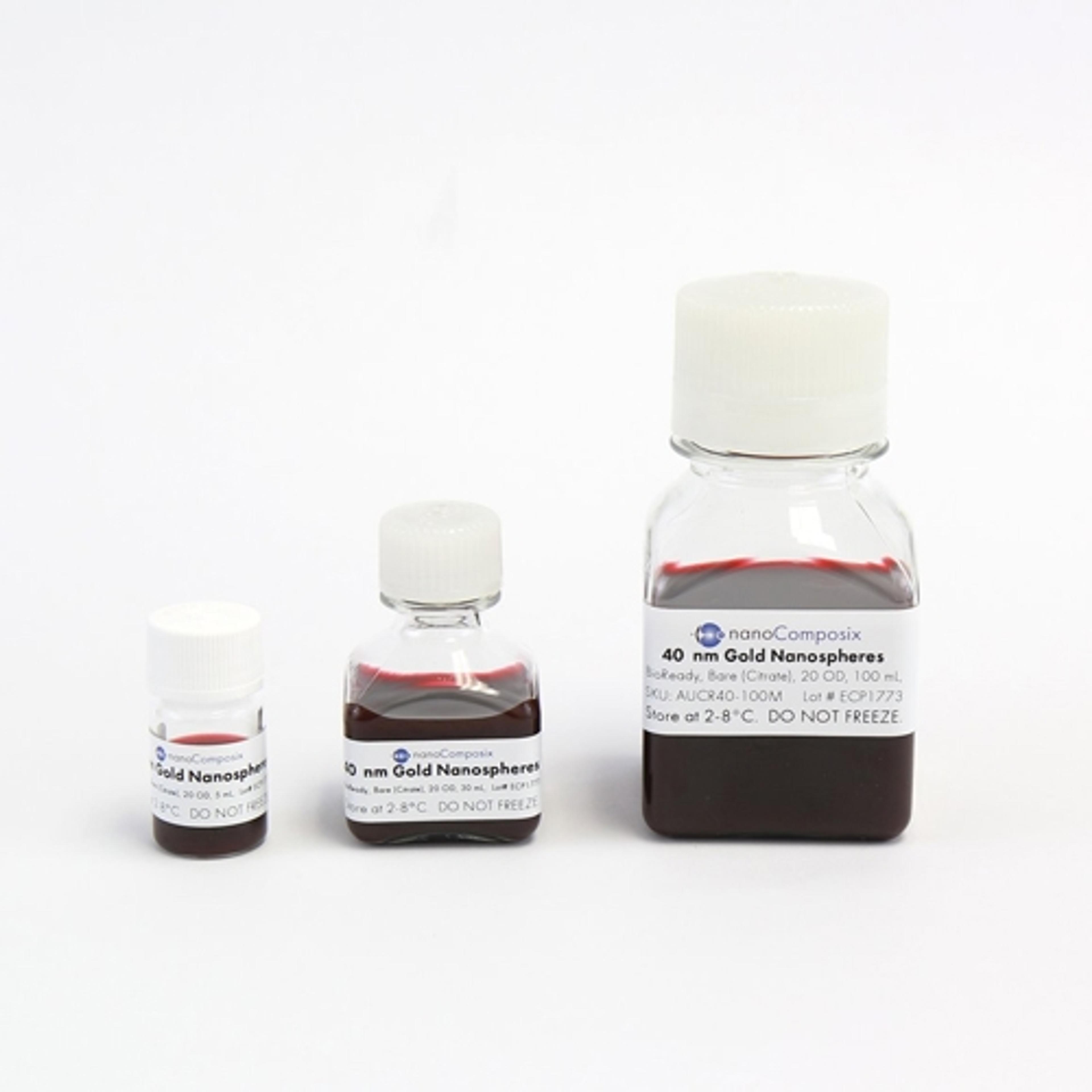
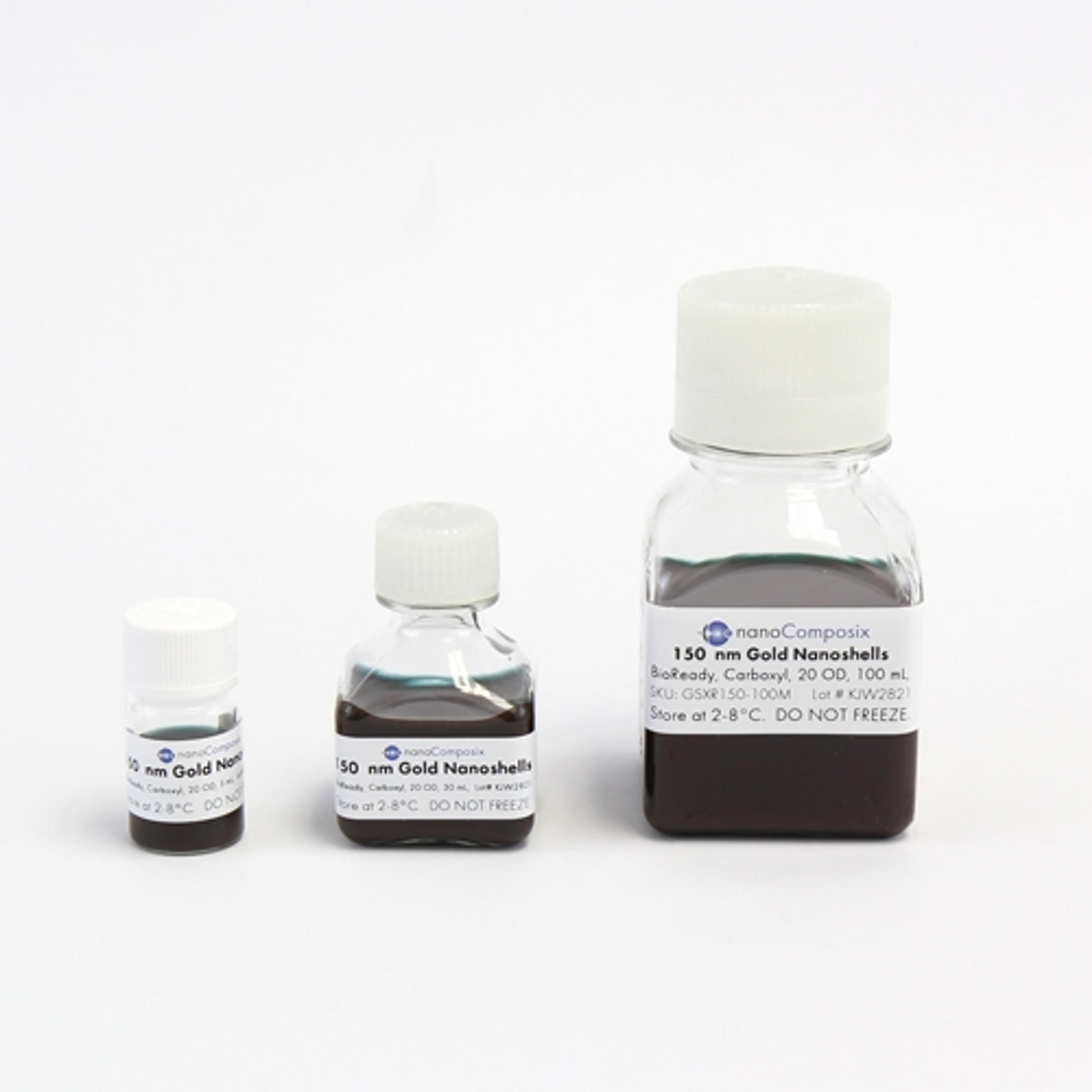
Lateral flow assays (LFAs) are simple to use, disposable diagnostic devices that can test for a wide variety of biomarkers in diverse sample types, including saliva, blood, urine, and food. Standard lateral flow tests generate an optical signal that arises from strongly colored reporter probes, often nanoparticles, bound to test lines on a white nitrocellulose strip. Given the critical role of the probes, their selection is one of the most important decisions made during the planning of a new lateral flow assay. Download this application note to see a comparison being nanoparticle probes.

Links

Tags

NanotechnologyNanotechnology, or nanotech, is an engineering technique using molecular scale functional systems. Applications of nanotechnology include medicine and medical devices, electronics, air and water purification, food science and energy production.Clinical ChemistryBiochemistry (or clinical chemistry) involves the analysis of bodily fluids using chemical tests. Techniques used include HPLC, chromatography, spectroscopy, mass spectrometry, immunochemical, electrophoresis, turbidometric / spectrophotometric assay, MRI and ISE analysis. Tests are often carried out on plasma or serum but urine (urinalysis) and fecal specimens are also processed.Clinical MicrobiologyMicrobiology is the study of microorganisms including protists, prokaryotes, fungi, and, often, viruses. Microorganisms are a useful research tool as genetic vectors and, in immunology, for antibiotic susceptibility testing, cellular biology and genetics. Microorganisms commonly grow readily in incubators with microbial culture media; this can contain chromogenic supplements to differentiate between cell lines. Estimate your culture’s density of microorganisms with colony counters, or screen and select colonies for desirable clones with automated colony pickers. Additionally, equipment is available to monitor environments for the presence of microbes and identify with microbial identification instruments. Find the best microbiology products in our peer-reviewed product directory: compare products, check customer reviews and receive pricing direct from manufacturers.Particle CharacterizationParticle characterization instruments are used to determine particle size distribution, shape, surface area, zeta potential, density and porosity of particles and materials. Multiple tecchniques are available for determining particle size, shape and count including dynamic light scattering (DLS), laser diffraction, electrozone (Coulter technique), imaging particle analysis and single particle optical sensing. Determine the density of your material with a gas pycnometer or examine its surface area and porosity with gas adsorption analyzers and mercury porosimeters. Find the best particle characterization instruments in our peer-reviewed product directory: compare products, check customer reviews and receive pricing direct from manufacturers.NanomaterialsNanomaterials such as carbon nanotubes, fullerenes and nanoparticles are a group of materials that measure between 1-1000nm for a single unit. Analysis techniques include AFM, electron microscopy and super resolution microscopy.NanoparticlesNanoparticles are between 1-100nm in size. Nanoparticles can be used for a wide variety of applications including biomedical, catalysis and electronics.