
ResourceDrug Discovery & Development
Optimizing oligonucleotide analysis with UHPLC
4 Dec 2024Oligonucleotide therapeutics are small synthetic nucleic acids that can be used to treat different types of diseases. In this infographic, curated by Shimadzu, explore the tools available for oligonucleotide analysis, enabling reliable and accurate quantitation to support the development of personalized therapeutics for previously 'undruggable' targets.
Related products
Request Quote for All Products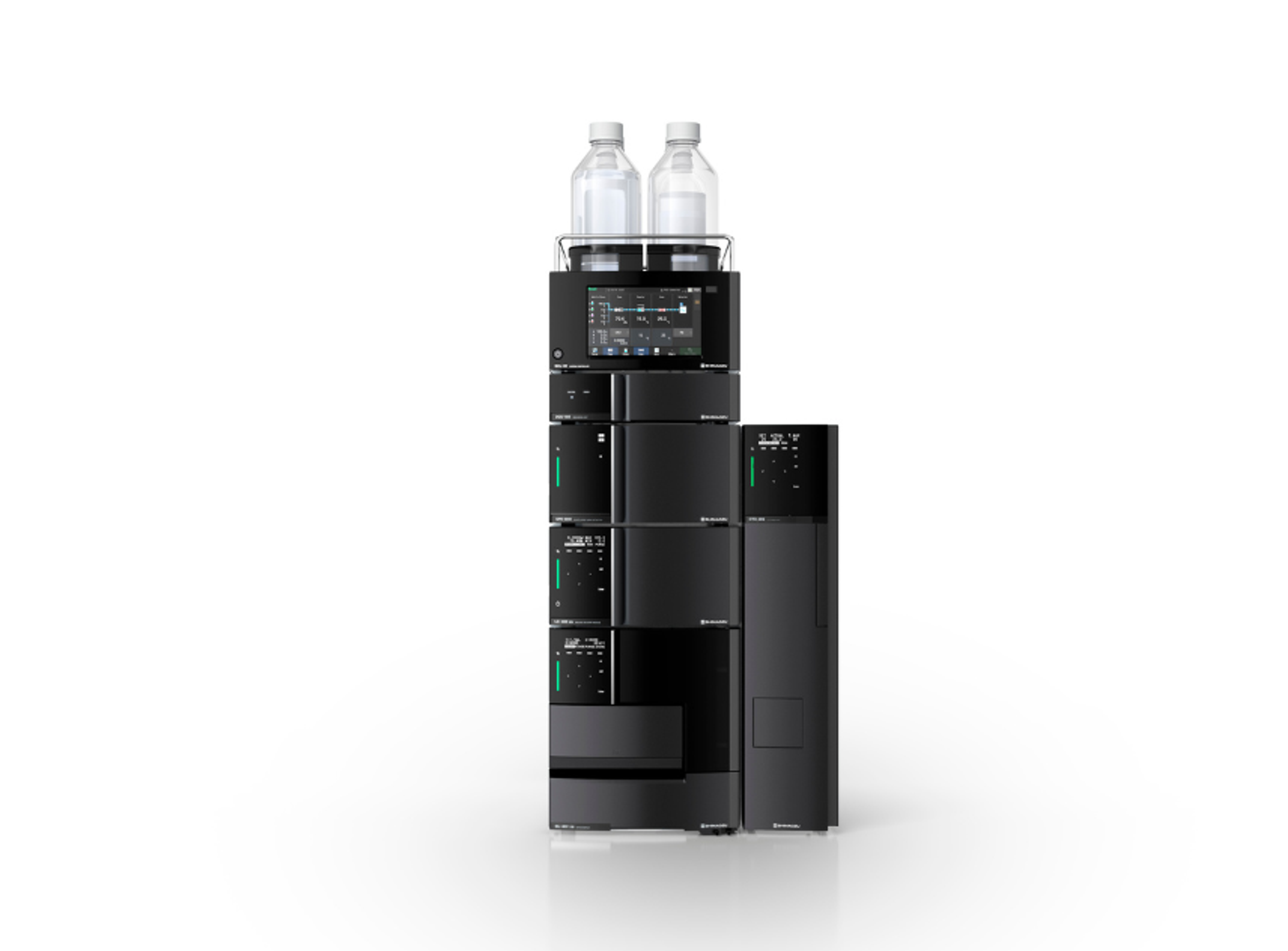
Nexera XS inert
Shimadzu CorporationThe Nexera XS inert system offers an ideal solution for the separation of biomolecules by combining the elevated pressure tolerance of a UHPLC system with complete inertness of the sample flow path, ensured by the absence of wetted metal surfaces and offering ultra-high resistance to corrosion.
Links
Tags
OligonucleotidesOligonucleotides are small nucleic acid polymers, usually less than 20 bases in length. Oligonucleotides can be made via enzymatic cleavage or more commonly by chemical synthesis with polymerases. Their use includes FISH, southern blots, microarrays and as primers in PCR. High fidelity synthesis kits and detection systems are available for easy production and detection, respectively.UHPLC and HPLCHigh performance liquid chromatography (HPLC) and ultra high performance liquid chromatography (UHPLC), also known as UPLC, are analytical techniques used to separate, identify and quantitate components of complex mixtures including biological samples such as proteins and lipids as well as chemical mixtures of pesticides, drugs and oils. Both techniques are liquid chromatographic methods but differ by operating pressures (HPLC < 6000 psi < UHPLC ). Components of HPLC and UHPLC systems include columns, detectors, pumps, autosamplers and column heaters. Explore a range of UHPLC and HPLC columns for your specific sample needs including reverse phase, normal phase, ion exchange, HILIC, ion exclusion and size exclusion columns. For more specialized HPLC, explore FPLC, countercurrent LC and simulated moving bed systems. Find the best UHPLC and HPLC equipment in our peer reviewed product directory: compare products, check customer reviews and receive pricing direct from manufacturers.Personalized medicinePersonalized medicine refers to the idea of customized healthcare, where medical decisions and treatments are tailored to the individual patient. Molecular diagnostics, companion diagnostics and Next Generation Sequencing (NGS) play a pivotal role in this approach.