ResourceSpectroscopy

Multi-charged ion analysis of intact antibodies using a Q-TOF mass spectrometer

20 Jan 2025

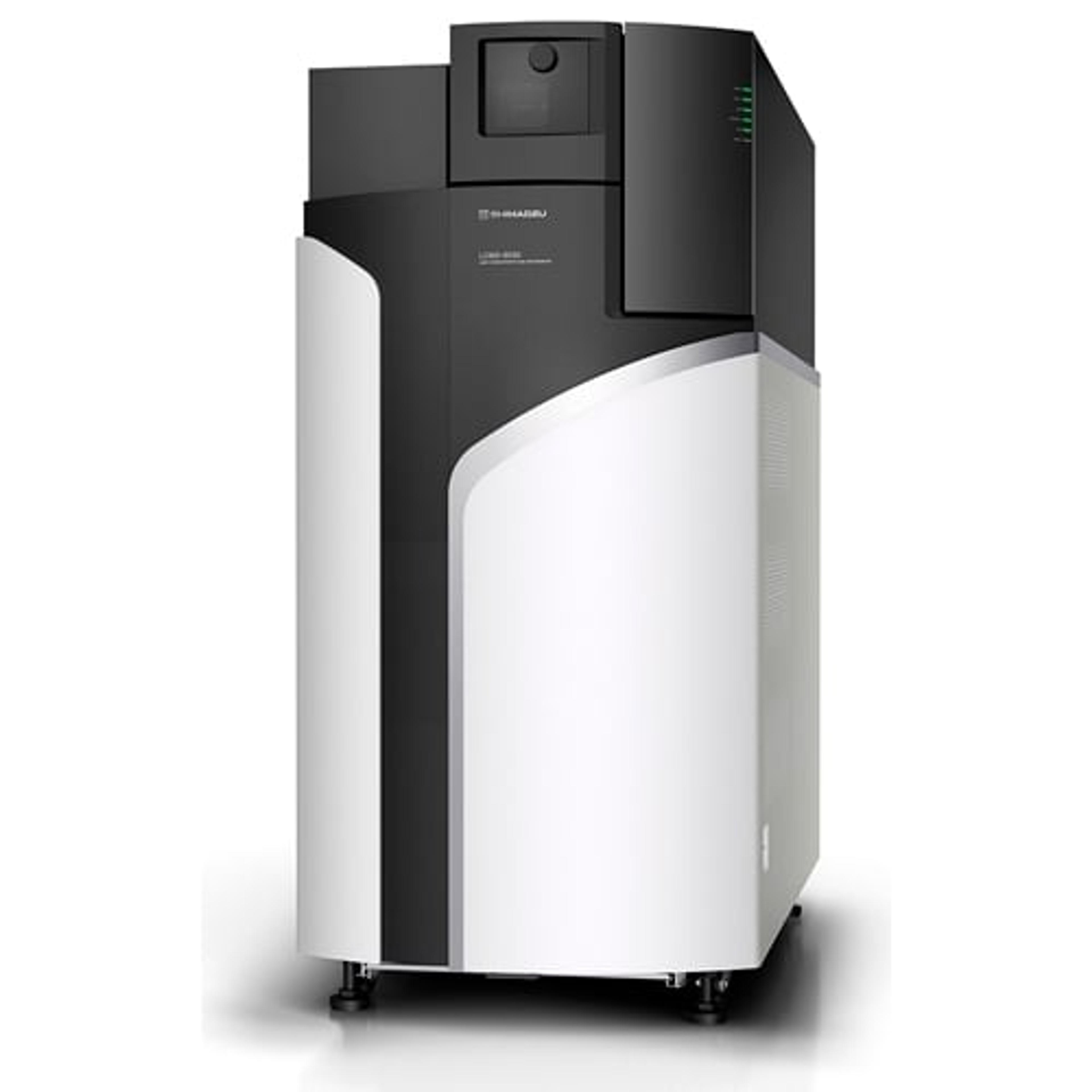
Explore the use of mass spectrometry for characterizing antibody drugs, including monoclonal antibodies (mAbs) and antibody-drug conjugates (ADCs). Shimadzu examines the challenges of structural heterogeneity in antibody production and introduces examples of analyzing pseudo ADCs with MALDI-TOF MS and trastuzumab with its LCMS-9030 quadrupole time-of-flight (Q-TOF) mass spectrometer. The LCMS-9030 integrates quadrupole technology with TOF capabilities for accurate mass measurement. Techniques like charge deconvolution aid in molecular weight and glycosylation analysis, ensuring drug quality and efficacy.

Q-TOF LCMS-9030

Shimadzu Corporation

Offering effortless Q-TOF LCMS performance, the LCMS-9030 allows users to perform critical qualitative and quantitative analysis with genuine confidence and ease.

(8)

Links

Tags

GC-MS GC-MS (gas chromatography-mass spectrometry) instruments and equipment are used to separate, quantify and identify mixtures of small and volatile compounds, such as polycyclic aromatics, fatty acids and alcohols. Often used in drug detection, forensic investigation and environmental analysis for pesticides and contaminants, GC-MS is a powerful addition to your lab’s analytical capabilities. GC-MS/MS instruments equipped with a qTOF or triple quadrupole analyzers can give greater sensitivity and resolution to your analysis. Find the best GC-MS instruments and equipment in our peer-reviewed product directory: compare products, check customer reviews and receive pricing direct from manufacturers.Mass SpectrometryMass spectrometry (MS) is a powerful analytical technique used to identify and quantify molecules based on the mass-to-charge ratio of gas-phase ions. It provides detailed information about the structure, composition, and properties of compounds and is widely used across fields such as environmental monitoring, materials science, drug discovery and development, food and beverage testing, and wider chemical research. Key MS techniques include tandem mass spectrometry (MS/MS), liquid chromatography–mass spectrometry (LS-MS) and inductively coupled plasma (ICP-MS). Choosing from these wide range of techniques and technologies can be a daunting task, so keep up to date with scientific applications, performance expectations, and customer reviews here all in one place. Visit our product directory to receive quotes direct from the manufacturer. LC-MSLC-MS (liquid chromatography-mass spectrometry) systems and equipment are used for separation and quantitative analysis of complex mixtures, combining liquid chromatography and mass spectrometry. Quantify proteins, contaminants, pesticides or screen for drug metabolites with a high level of sensitivity. LC-MS systems and equipment include reverse phase, normal phase and specialized columns integrated with various MS detectors such as time-of-flight (TOF), quadrupole, orbitrap or ion trap mass analyzers. LC-MS/MS instruments equipped with a qTOF or triple quadrupole analyzer give greater sensitivity and resolving power to your analysis. Find the best LC-MS equipment in our peer-reviewed product directory: compare products, check customer reviews and receive pricing direct from manufacturers.AntibodiesAntibodies are used in techniques such as confocal and fluorescence microscopy, flow cytometry, ELISA, ELISPOT, immunohistochemistry, western blotting and immunopreciptation. Select specific antigen reactivity, high specific affinity, low non-specific binding, monoclonal or polyclonal, primary or secondary antibodies and associated conjugates such as an enzyme or dye for visualization.
Multi-charged ion analysis of intact antibodies using a Q-TOF mass spectrometer