
ResourceSeparations
Monitoring Organic Vapors in air – A Comparison of Thermal Desorption and Carbon Disulfide (CS2) Extraction
18 Sept 2014This application note describes the benefits of thermal desorption (TD) analysis of sorbent tubes compared to solvent extraction for the detection of volatile organic compounds in air.
Related products
Request Quote for All Products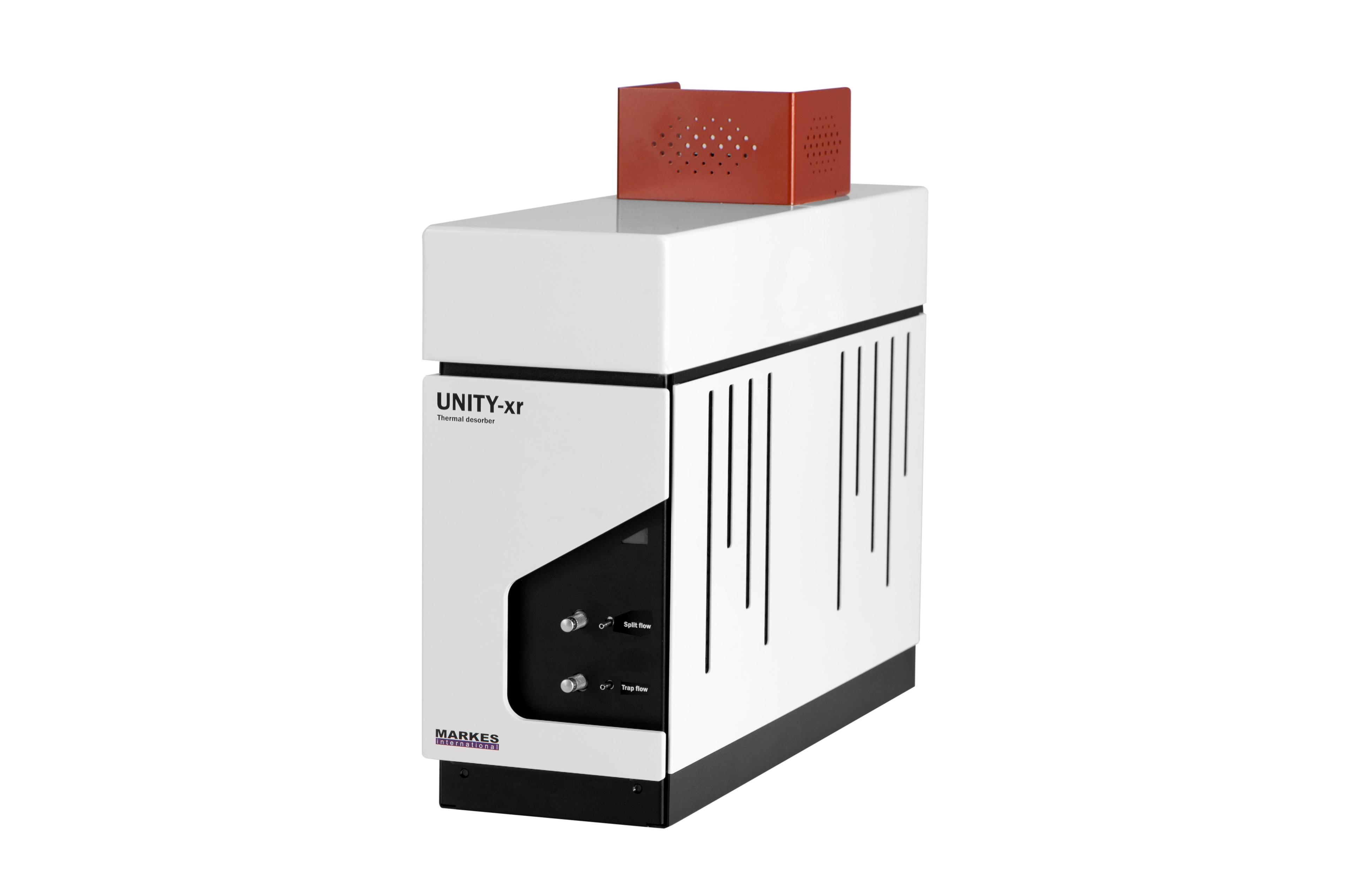
UNITY-xr
Markes International LtdVersatile single-tube analytical thermal desorption unit for GC or GC–MS
Links
Tags
Gas ChromatographyGas chromatography (GC) is an analytical technique used to separate and quantitate mixtures of small and volatile compounds. Gas chromatographs or GC systems include components such as GC columns, detectors, pumps and autosamplers. Choose from packed or capillary GC columns, flame ionization (FID), photoionization (PID) electron capture detectors and selective or non-selective detectors. Find the best gas chromatographs in our peer-reviewed product directory: compare products, check customer reviews and receive pricing direct from manufacturers.Thermal DesorptionThermal desorption is a technique used to release volatile compounds from solid samples by heating them. It is often used in environmental testing and analysis of complex materials. Explore thermal desorption systems in our peer-reviewed product directory; compare products, check reviews, and get pricing directly from manufacturers.Solvent ExtractionVolatile Organic Compounds (VOCs)Volatile organic compounds (VOCs) are chemicals that have a low boiling point. Some VOCs are harmful to human health, whereas others can be used to determine the shelf-life of foods samples. Air SamplingAir sampling is described as the technique used to capture air for the subsequent purpose of analyzing, typically by thermal desorption, the presence of trace particulates, such as volatile organic compounds (VOCs).