
Monitoring of Kinase Activity using Next-Generation CSox-Based Substrate Sensors
3 May 2018There are more than 500 protein kinases, many of which have been shown to be dysregulated in disease states and comprise greater than 30% of all drug developments. In this application note, researchers combine chelation-enhanced fluorescence (CHEF) with the sulfonamido-oxine (Sox) chromophore to measure the activity of protein kinases with a direct, homogeneous and continuous format.
Related products
Request Quote for All Products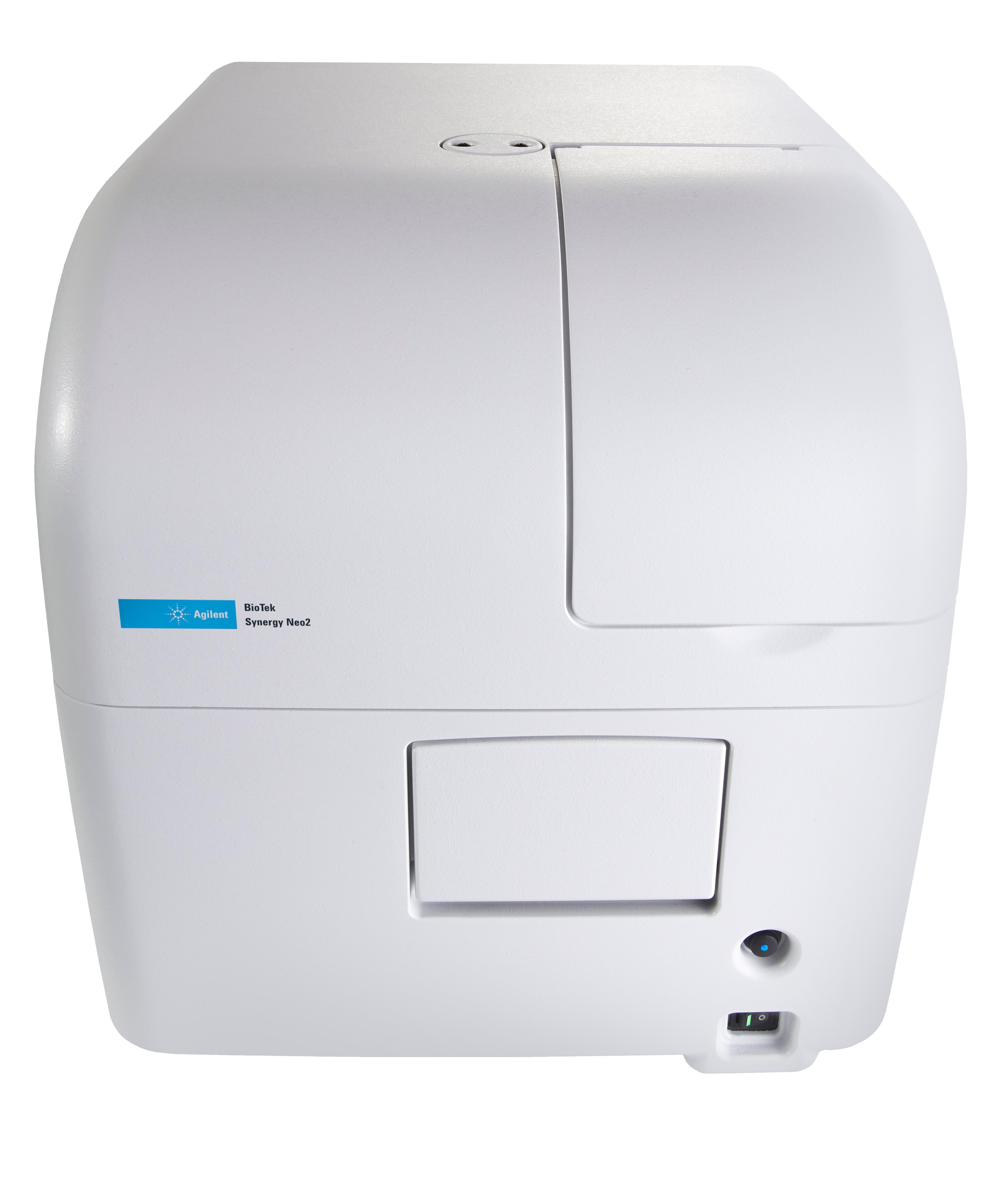
Agilent BioTek Synergy Neo2 Hybrid Multimode Reader
Agilent TechnologiesAgilent BioTek Synergy Neo2 multimode microplate reader features proprietary Hybrid Technology, with independent optical paths that ensure excellent performance in all detection modes. Variable bandwidth quad monochromators, sensitive high transmission filter-based optics, laser TRF, and up to 4 PMTs provide ultrafast measurements.

Agilent BioTek Synergy HTX Multimode Reader
Agilent TechnologiesThe Agilent BioTek Synergy HTX is a compact, economical multimode reader for 6- to 384-well microplates and Take3 microvolume plates. The unique dual optics design provides superior performance for UV-Vis absorbance, fluorescence, luminescence, and AlphaScreen/AlphaLISA workflows. With incubation and shaking, plus a dual reagent injector module, the system will meet all your assay requirements now and in the future. Synergy HTX is controlled by the easy-to-use, yet powerful, Gen5 software for data collection, analysis, exporting and reporting.
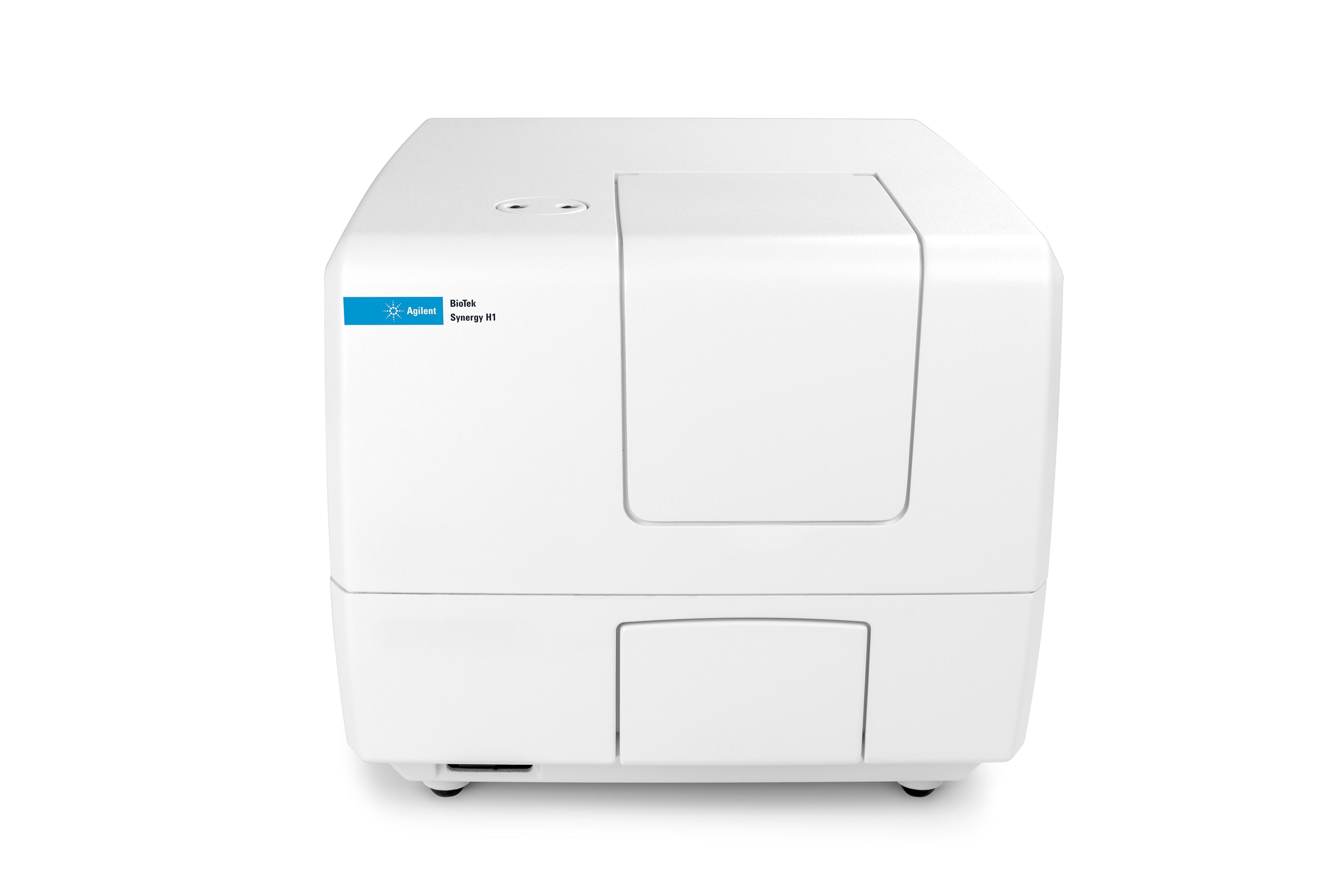
Agilent BioTek Synergy H1 Multimode Reader
Agilent TechnologiesAgilent BioTek Synergy H1 is a modular multi-mode microplate reader, with monochromator-based optics and filter-based optics. The proprietary Hybrid Technology offers flexibility and sensitivity across a broad range of applications. The modular platform allows upgrading to expand functionality as your laboratory workflows change.