Microplate-based assays in microbiology research

23 Feb 2024

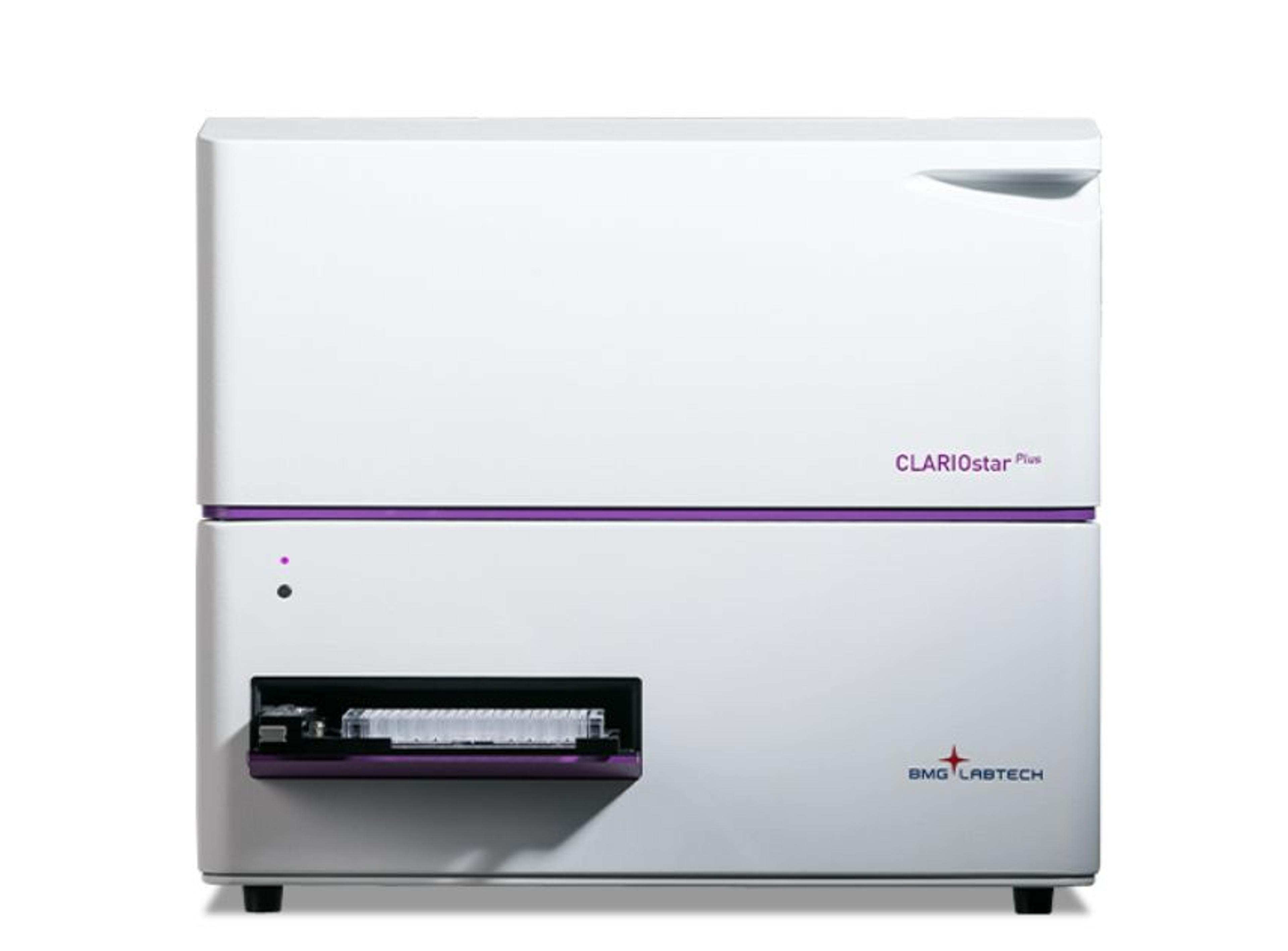
In this eBook, BMG LABTECH discusses microplate-based assays in microbiology research, covering the use of microplate readers in microbiology research applications. It highlights the advantages of using microplate-based assays for monitoring microbial growth and viability, functional assays, and high-throughput screening for antimicrobial compounds. The eBook explores different types of microplate-based assays that can be used in microbiology research and provides application notes on various assays, including growth, detection, and monitoring of bacteria, yeasts, and viruses. The eBook serves as a comprehensive guide for microbiologists looking to leverage the benefits of microplate-based assays in their research, and is recommended for those who want to perform time and cost-efficient microbiology assays.

Links

Tags

Cell Adhesion AssaysCell adhesion assays are used to quantitate attachment and analyze the molecular mechanisms for extracellular matrix adhesion, cell migration and sensitivity to inhibitors. Find the best cell adhesion assay equipment in our peer-reviewed product directory: compare products, check customer reviews and receive pricing direct from manufacturers.MicroplatesMicroplates are multi-well plates used to increase the throughput of biological investigations. The number of wells microplates contain can range from 6 to 3243 wells, with the 96-well format being the most commonly used. Microplates can come tailored for a range of applications including cell culture, PCR, filtration, storage, non-binding surface, protein crystallization, as well as pre-coated, deep well and normal Standard microplates. Additionally, options for microplate colors include clear , black, white or black with clear bottom and white with clear bottom for absorbance microplate reader applications. Find the best microplates for your lab in our peer-reviewed product directory: compare products, check customer reviews and receive pricing direct from manufacturers.Microplate Readers / DetectorsMicroplate readers are used to automate the detection and analysis of labeled or label-free components in microplates during assays or live-cell monitoring. Microplate readers are generally distinguished by their mode of detection. Types include absorbance, luminescence, fluorescence intensity, fluorescence polarization, TRF / FRET and multimode microplate readers. Microplate readers deliver a high throughput of samples by reading multiple wells simultaneously, with the 96-well format the most commonly used. As a result, microplate readers are often used in the drug discovery, bioassays, research and pharmaceutical industries for screening applications. Microplate loading can also be automated, with robotic microplate stackers to increase throughput. Find the best microplate readers in our peer-reviewed product directory: compare products, check customer reviews and receive pricing direct from manufacturers.MicrobiologyMicrobiology is the study of microorganisms including protists, prokaryotes, fungi, and, often, viruses. Microorganisms are a useful research tool as genetic vectors and, in immunology, for antibiotic susceptibility testing, cellular biology and genetics. Microorganisms commonly grow readily in incubators with microbial culture media; this can contain chromogenic supplements to differentiate between cell lines. Estimate your culture’s density of microorganisms with colony counters, or screen and select colonies for desirable clones with automated colony pickers. Additionally, equipment is available to monitor environments for the presence of microbes and identify with microbial identification instruments. Find the best microbiology products in our peer-reviewed product directory: compare products, check customer reviews and receive pricing direct from manufacturers.Microarray AnalysisMicroarrays, also known as biochips, are used for the detection and analysis of multiple genes, proteins, antibodies, or biomarkers on a single microchip. This can reveal information on protein or gene expression, single nucleotide polymorphism (SNP), copy number variation (CNV), epigenetics and patient health in clinical diagnostic tests. Discover a range of microarray scanners and prefabricated antibody, protein, RNA and DNA microarrays for your analysis or consider creating your own custom microarrays with a microarray printer. Find the best microarray products in our peer-reviewed product directory: compare products, check customer reviews and receive pricing direct from manufacturers.Cell-Based AssaysCell-based assays are used to monitor the presence, quantity and activities of a desired cellular analyte including drug molecules or biomarkers. This can reveal information on cell health (apoptosis, cytotoxicity, viability and proliferation assays), cell metabolism, cell migration and cell signaling mechanisms. Find the best cell-based assay products, kits and equipment with our peer reviewed product directory: compare products, check customer reviews and receiving pricing direct from manufacturers.Microplate StackerFluorescence Based AssayFluorescence based assays are widely used in life science research and high-throughput screening to measure a broad range of cellular activities.Assay DevelopmentThe process of proving an assay to be sensitive with respect to the target is known as assay development. The assay should be able to characterize novel compounds and measure the potency of these compounds against a validated biological target.MicrobiologyCell Based AssaysCell-based assays use living cells to measure biological responses to various treatments or stimuli. They are essential for drug discovery, toxicology testing, and understanding cellular mechanisms. These assays are used to assess cell viability, proliferation, gene expression, and other cellular activities. Browse our peer-reviewed product directory to find the best cell-based assay tools and reagents, compare products, read customer reviews, and get pricing directly from manufacturers.