
ResourceSpectroscopy
Managing the risk of nitrosamines in medicinal drugs
6 Apr 2022Nitrosamines, also known as N-nitrosamines, refer to any molecule with a nitroso functional group (NO⁺) bonded to a deprotonated amine. Nitrosamine impurities are of particular concern as there is evidence that they can be carcinogenic, and therefore their presence in medicines is considered unacceptable.
In this free eBook, discover a range of ultra-fast mass spectrometry technologies for the quantification of trace levels of nitrosamine impurities from various drug substances, drug products, and solvents.
This eBook will also cover:
- Sartan analysis
- Metformin analysis
- Other API analyses
- Residual solvent analysis
Related products
Request Quote for All Products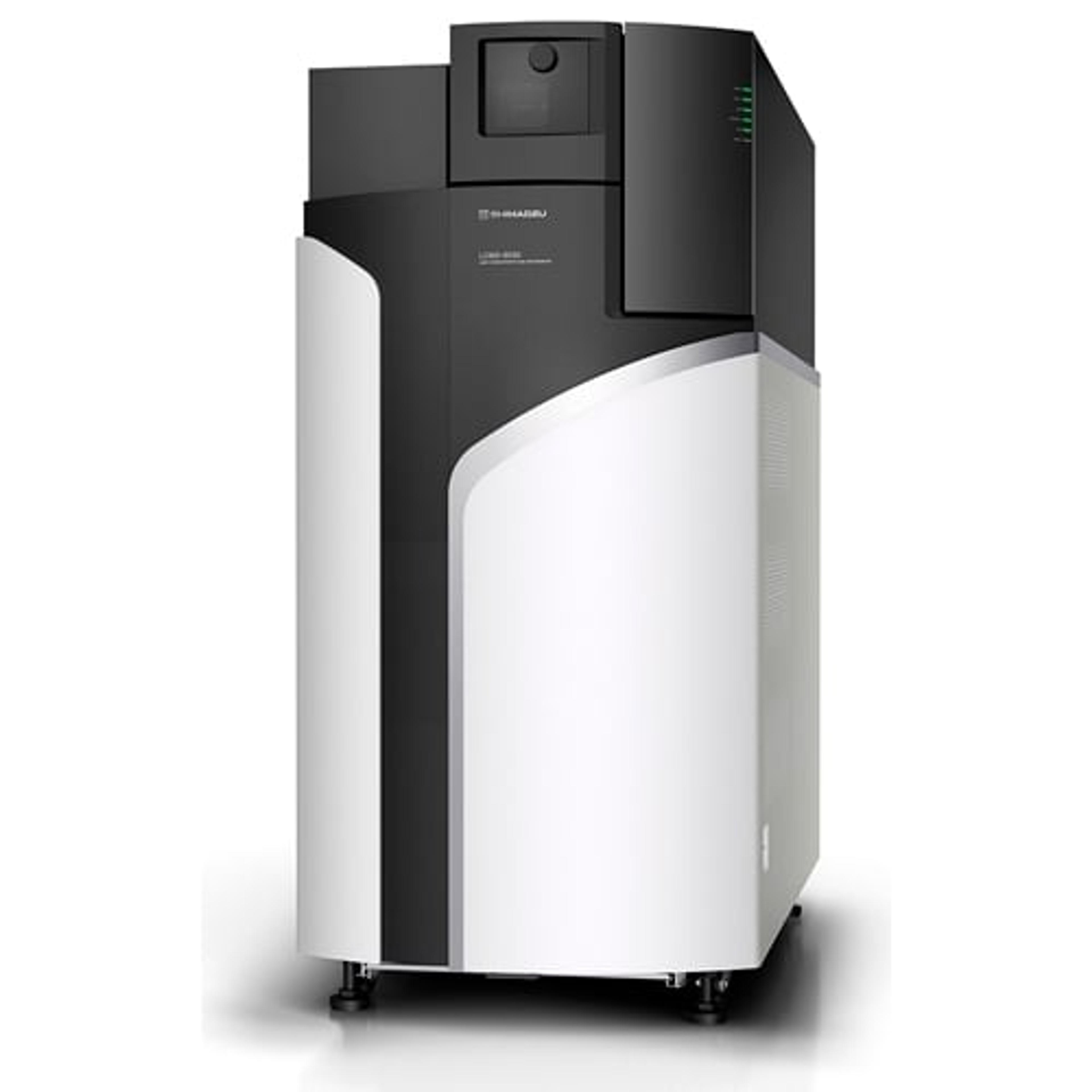
Q-TOF LCMS-9030
Shimadzu CorporationOffering effortless Q-TOF LCMS performance, the LCMS-9030 allows users to perform critical qualitative and quantitative analysis with genuine confidence and ease.
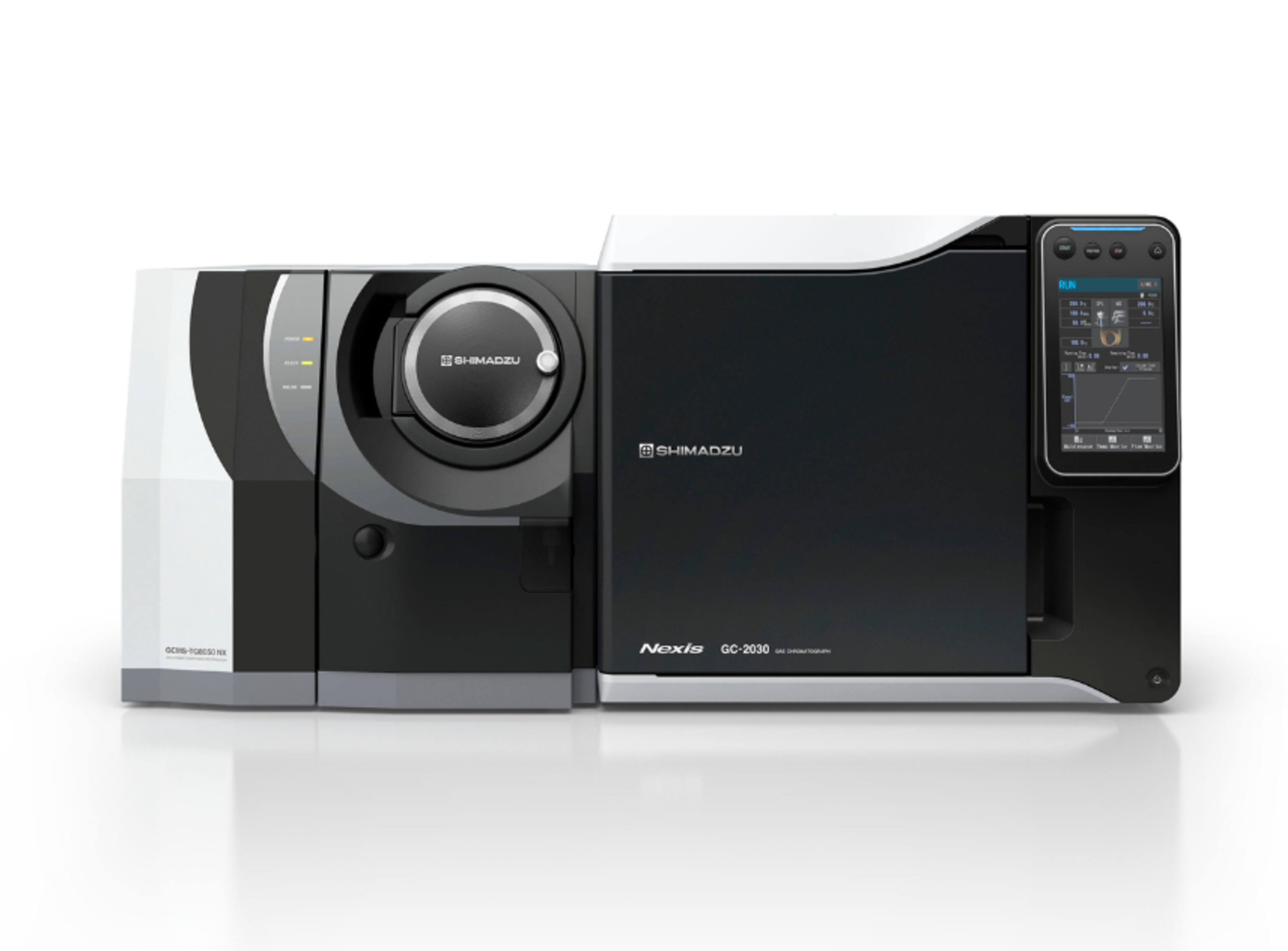
GCMS-TQ8050 NX Triple Quad Mass Spectrometer
Shimadzu CorporationEnhanced Sensitivity and Superior Performance
Links
Tags
Mass SpectrometryMass spectrometry (MS) is a powerful analytical technique used to identify and quantify molecules based on the mass-to-charge ratio of gas-phase ions. It provides detailed information about the structure, composition, and properties of compounds and is widely used across fields such as environmental monitoring, materials science, drug discovery and development, food and beverage testing, and wider chemical research. Key MS techniques include tandem mass spectrometry (MS/MS), liquid chromatography–mass spectrometry (LS-MS) and inductively coupled plasma (ICP-MS). Choosing from these wide range of techniques and technologies can be a daunting task, so keep up to date with scientific applications, performance expectations, and customer reviews here all in one place. Visit our product directory to receive quotes direct from the manufacturer.
Trace Level ImpuritiesTrace level impurities refer to low concentrations of unwanted substances found in chemicals, pharmaceuticals, and other products. Detecting and removing these impurities is crucial for product safety and regulatory compliance. Explore trace impurity analysis tools in our peer-reviewed product directory; compare products, check reviews, and get pricing directly from manufacturers.BiotherapeuticsBiotherapeutics are proteins and other compounds (such as nucleic acids) produced by living organisms that have uses as therapeutics or in <i>in vivo</i> diagnostics. The most well-known example of a biotherapeutic product, and the first to be approved for therapeutic use, was recombinant human insulin.SpectrometrySpectrometry is a technique used to measure the mass-to-charge ratio of ions. It provides valuable information about the composition, structure, and molecular weight of compounds. Used across a variety of fields, including chemistry, biology, and environmental science, spectrometry is essential for identifying substances, analyzing mixtures, and developing new products. Explore the best spectrometry tools in our peer-reviewed product directory; compare products, check reviews, and get pricing directly from manufacturers.TherapeuticsTherapeutics are treatments designed to alleviate or cure diseases. These include pharmaceuticals, biologics, and gene therapies, which work by targeting specific disease mechanisms. Advances in personalized medicine and biologics offer new hope for patients with conditions that were previously difficult to treat. Browse our peer-reviewed product directory to find therapeutic solutions for various diseases; compare products, check user reviews, and get pricing directly from manufacturers.