
Improving SWATH by Overlapped Windows
12 Jan 2016This application note investigates the use of overlapping SWATH windows to improve the cycle time and reduce the SWATH window size. The ability to acquire all possible MS/MS fragments during each cycle of data acquisition has radically changed peptide quantitation capabilities. Since no prior information is required, data acquisition is greatly simplified. During data processing, the particulars of which peptides and proteins are studied can be changed at any time, without the need for reacquiring any data. This investigation demonstrated that overlapping windows enabled deconvolution to narrower windows without loss in duty cycle and that narrower windows improved MS/MS quality and quantitative properties.
Related products
Request Quote for All Products
Prominence UFLC
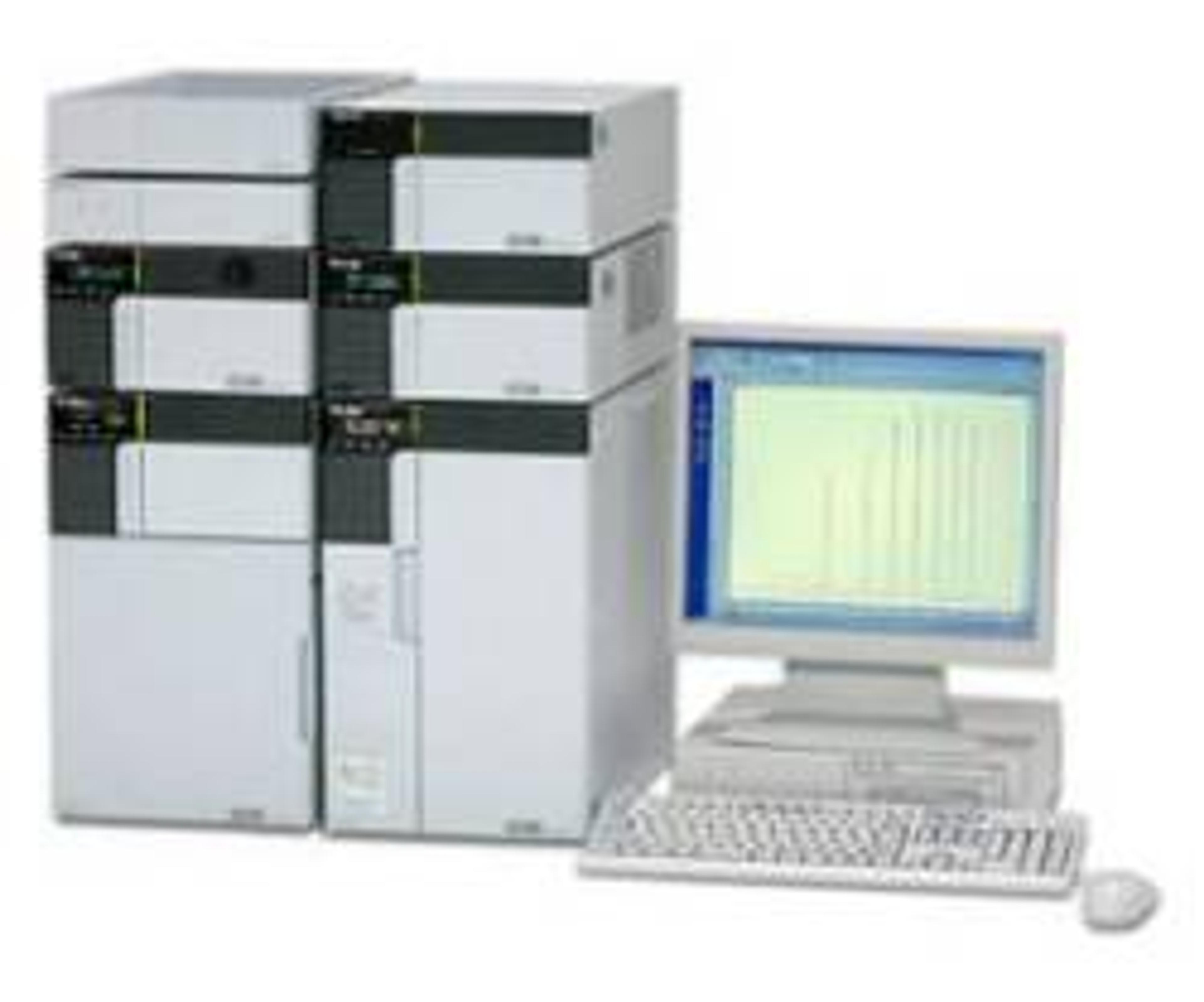
The Prominence UFLC Series is an ultra-high-speed LC that achieves both ultra-high-speed analysis and ultra-high separation, based on high analysis precision and reliability. In addition to shortening analysis times, thereby heightening analysis efficiency and conserving solvent, this instrument supports reliable separation and detection of trace materials in a variety of fields. Applications include the evaluation of trace residual agricultural chemicals to ensure the safety of foods, and the evaluation of trace impurities to further improve product quality in the areas of pharmacology and chemistry. This new LC boasts excellent basic performance and data quality, as well as attention to analysis system versatility and operability, delivering the optimal benefits to a range of laboratory situations. The times call for ultra-high-speed LC. Adopting ultra-high-speed LC for a range of analysis work can provide a variety of benefits. However, it is not enough to simply reduce analysis times. It is also important to maintain basic precision in LC analysis, including retention time repeatability, injection repeatability via an autosampler, and carryover and detector sensitivity. Furthermore, in selecting equipment, high-speed analysis means little without system durability and operability. The Prominence UFLC is the optimal system for any laboratory striving for truly high-throughput analysis. Prominence UFLC Features: Reduces analysis time to 1/10 of conventional LC while keeping separation efficiency. Fast autosampler (10 seconds for 10uL injection), which contributes to a truly fast analysis cycle. Automatic purging, shortens the time required for system start-up via manual operation. Superb high speed and resolution, without applying high pressure, by optimizing system and column efficiency. Proprietary high-precision 6-port valve, which achieves 0.3% or less (RSD) area repeatability in 100,000 cycle Maximizing Data Reliability (5 µL injection, n=6) endurance tests.