ResourceGeneral Lab

HPLC, pharma and healthcare: Why water purity matters

16 Aug 2020

Water is essential as a raw material and as a solvent in almost any area of pharmaceutical production you might consider, from drug processing to formulation, manufacture and monitoring. Its purity is therefore of major concern, particularly with respect to microbiological contamination, and is dictated by strict published guidelines at both national and international levels.

In this interactive eBook, we look at several applications of HPLC and LC-tandem mass spectrometry (LC-MS/MS) in pharmaceutical analysis and drug monitoring, but also forensic toxicology, to see how water quality impacts results.

Discover how using ultrapure water improves accuracy, eliminates false readings, and removes sources of variability, as we cover:

  • HPLC in pharmaceutical analysis
  • How to reduce risk in therapeutic drug treatment and monitoring
  • Water in pharma & healthcare: Interactive quiz

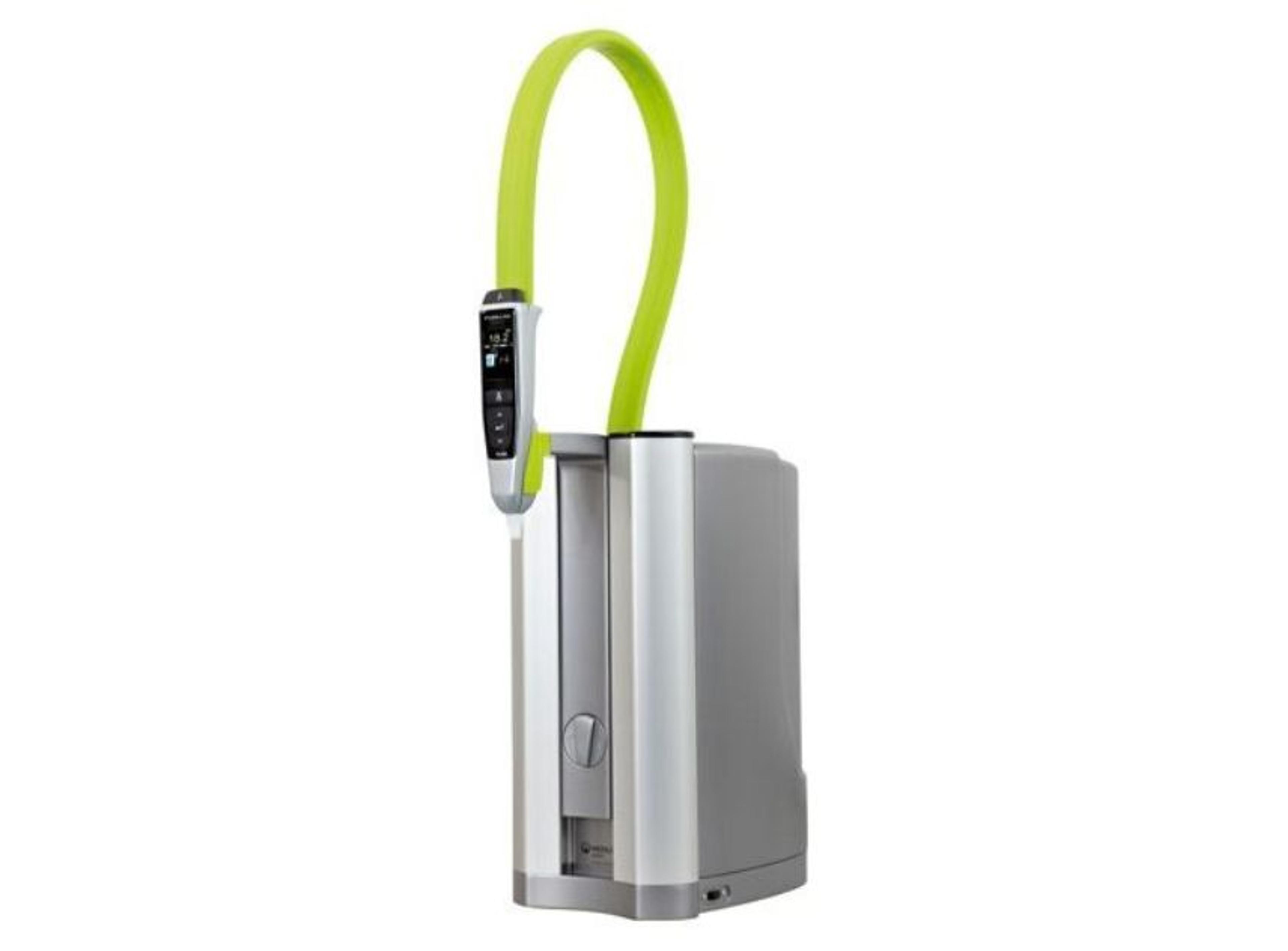
PURELAB® Quest

ELGA LabWater

A compact, affordable and easy to use lab water purification system. PURELAB ® Quest dispenses three types of water for every application in your lab from a tap water input- from HPLC and molecular biology techniques to general reagent preparation and glassware rinsing.
(8)

Links

Tags

UHPLC and HPLCHigh performance liquid chromatography (HPLC) and ultra high performance liquid chromatography (UHPLC), also known as UPLC, are analytical techniques used to separate, identify and quantitate components of complex mixtures including biological samples such as proteins and lipids as well as chemical mixtures of pesticides, drugs and oils. Both techniques are liquid chromatographic methods but differ by operating pressures (HPLC < 6000 psi < UHPLC ). Components of HPLC and UHPLC systems include columns, detectors, pumps, autosamplers and column heaters. Explore a range of UHPLC and HPLC columns for your specific sample needs including reverse phase, normal phase, ion exchange, HILIC, ion exclusion and size exclusion columns. For more specialized HPLC, explore FPLC, countercurrent LC and simulated moving bed systems. Find the best UHPLC and HPLC equipment in our peer reviewed product directory: compare products, check customer reviews and receive pricing direct from manufacturers.Water PurificationThere are a number of water purification methods available to remove contamination from laboratory water. These systems include demineralization, reverse osmosis, filtration and ultrafiltration. A combination of methods is sometimes necessary to achieve purified water suitable for use in experiments.Contamination PreventionContamination prevention aims to control and minimize the risk of contamination during experiments. Biological safety cabinets and sterilization equipment are examples of technologies used to prevent contamination.Water AnalysisAnalytical methods used to test the purity of drinking water include determining the level of contaminants abides to the level set by the Environmental Protection Agency (EPA).Forensic ToxicologyForensic toxicology is used to determine cause of death, drug use and contaminations. Toxicological evaluations are commonly used in analytical chemistry, clinical, life sciences and forensics.Pure WaterPure water is processed to remove significant level of contaminants and is suitable for use in many laboratory applications.Drug DevelopmentDrug development refers to the process of bringing a new drug to market.