ResourceDrug Discovery & Development
How to develop a protein purification strategy
22 Sept 2025
Cameron Smith-Craig
Pharma and Applied Sciences Editor
Unlock expert guidance on designing and optimizing protein purification workflows using the Capture, Intermediate Purification, and Polishing (CiPP) strategy. This comprehensive eBook, created in partnership with Cytiva, is your go-to resource for building efficient, scalable purification protocols.
What’s inside the eBook
- A step-by-step breakdown of the CiPP strategy
- Guidance on selecting chromatography techniques based on protein properties
- Real-world application examples for tagged, untagged, and antibody proteins
- Selection guides for prepacked chromatography columns
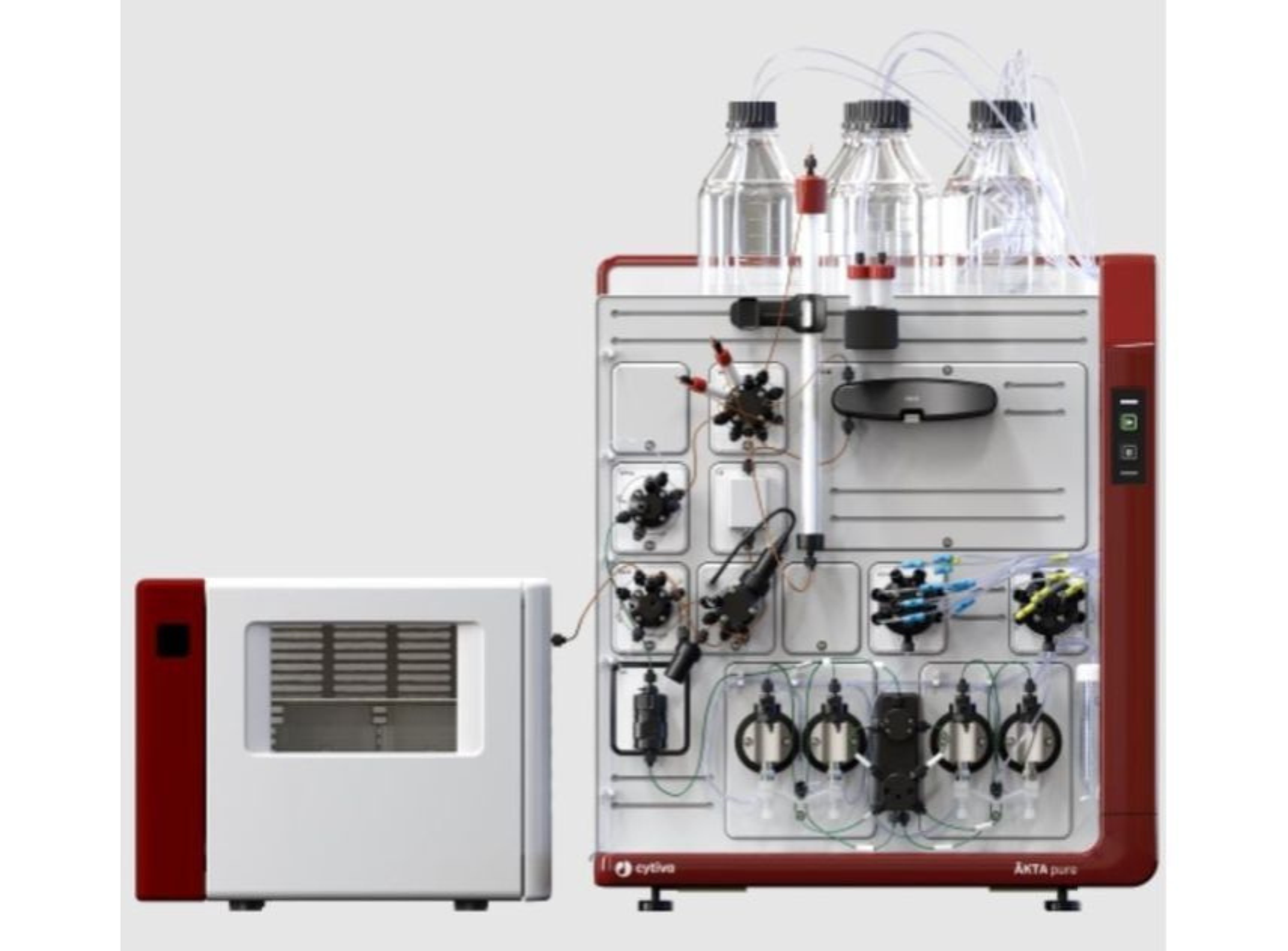
- Tips for using ÄKTA™ systems and Cytiva resins
- Troubleshooting advice and analytical assay recommendations
Tags
Protein ExpressionProtein expression is the utilization of cell machinery for the synthesis of proteins and has become a critical tool in biotherapeutic, genomic, and proteomic research. Produce recombinant proteins with expression vectors in combination with a host cell suitable for high-level protein expression. For production of toxic proteins, consider cell-free expression vectors. Create and monitor post-translational modifications with protein modification kits. Find the best protein expression products in our peer-reviewed product directory: compare products, check customer reviews and receive pricing direct from manufacturers.Protein PurificationProtein purification is a vital step in drug discovery, therapeutics, biotech and life science research. The purification process typically involves subcellular or membrane protein extraction with cell lysis kits, separation of proteins from cell debris by filtration or spin columns, and the isolation of proteins of interest from other proteins and impurities with affinity purification (including fusion protein tags and antibody binding proteins A, G and L), immunoprecipitation or chromatographic methods, such as ion exchange, size exclusion and immobilized metal affinity chromatography. All purification methods come in multiple formats for your laboratory needs, including agarose or magnetic beads, resins, columns and filter plates. Find the best protein purification equipment in our peer-reviewed product directory: compare products, check customer reviews and receive pricing direct from manufacturers.Protein QuantificationThe detection and quantification of proteins in a sample is vital across life sciences, pharmaceutical research and clinical diagnostics, and a variety of equipment is available to scientists to simplify the workflow. Proteins of interest can be easily labeled and detected on light-based detection instruments. Immunoassay kits allow you to identify a specific protein of interest and protein detection beads or antibody microarrays allow you to identify multiple specific proteins at once. Protein interactions and enzyme activity can also be monitored with protein-protein interaction assays. Additionally, the biophysical characterization of proteins is made easy with biokinetic analyzers. Find the best protein detection and quantification products in our peer-reviewed product directory: compare products, check customer reviews and receive pricing direct from manufacturers.Protein Precipitation