
How to choose the right atomic spectroscopy technique?
24 Aug 2022Atomic spectroscopy describes several analytical techniques used to determine the elemental composition of a sample by examining its electromagnetic spectrum or its mass spectrum. In this application note, Agilent describes the best method for selecting the correct atomic spectroscopy technique for your needs.
Related products
Request Quote for All Products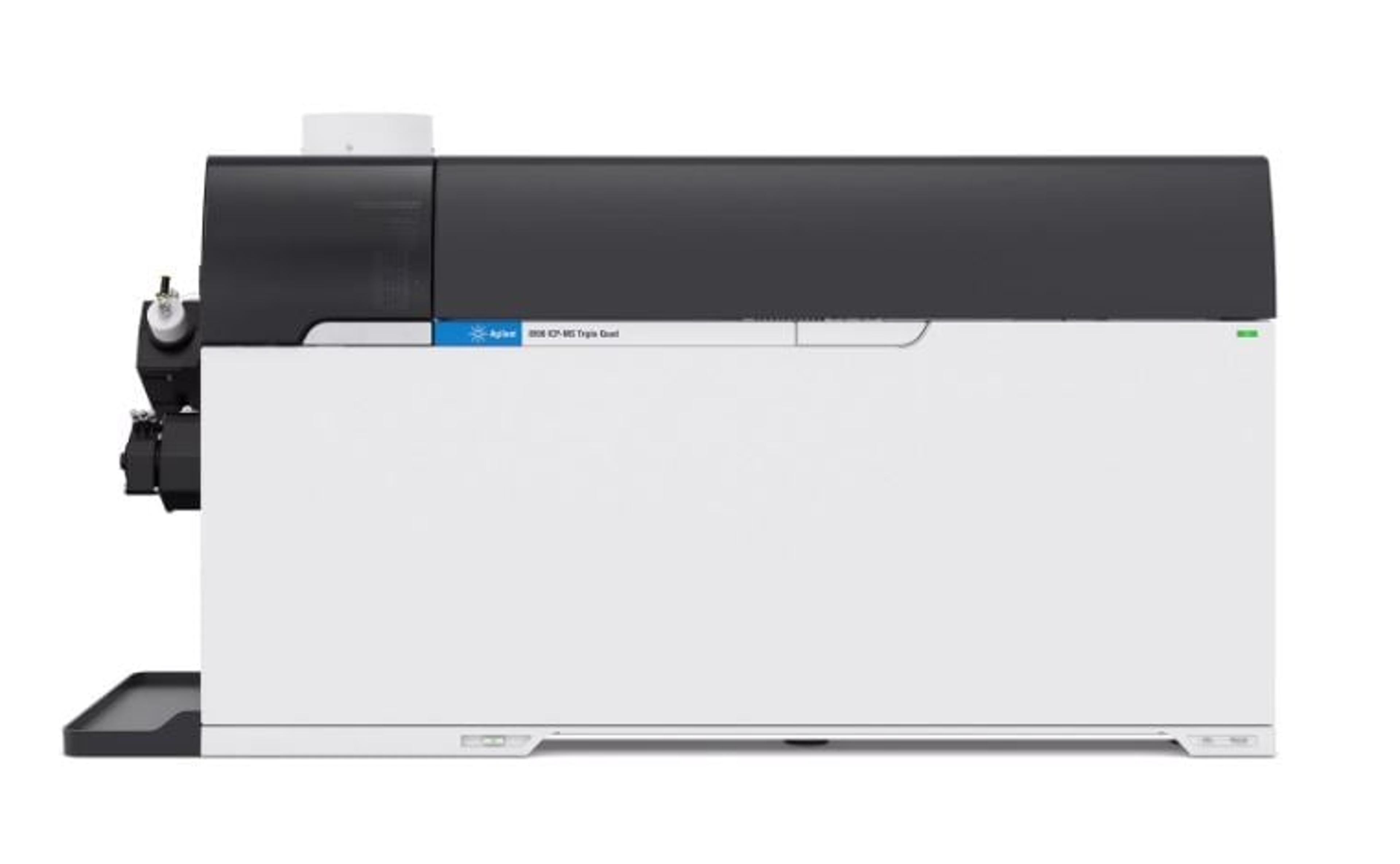
8900 Triple Quadrupole ICP-MS
Agilent TechnologiesThe Agilent 8900 triple quadrupole ICP-MS (ICP-QQQ) is the world’s most successful and widely used tandem ICP mass spectrometer. Available in a range of configurations to cover applications from routine contract analysis to advanced research and high-purity materials analysis, the Agilent 8900 ICP-QQQ redefines ICP-MS performance, delivering results you can trust.
5110 ICP-OES
Agilent TechnologiesThe Agilent 5110 ICP-OES Instrument features unique Dichroic Spectral Combiner (DSC) technology that enables synchronous radial and axial measurements.