HemoCue hemoglobin systems

5 Dec 2023

In this product brochure, HemoCue® provides insights into the differences between photometric and conductivity-based methods for measuring hemoglobin concentration. The photometric method involves a simple chemical conversion of hemoglobin, and the absorbance change is measured with a photometer, offering a direct proportion to hemoglobin concentration. Conductivity-based methods use a formula assuming normal physiological variables, leading to potential limitations when a patient's vitals are not normal, including interference with various substances. Additionally, the brochure emphasizes that the quality of test results is influenced by factors beyond technological limitations and provides details of the range of HemoCue products and solutions available to help reduce errors in hemoglobin testing.

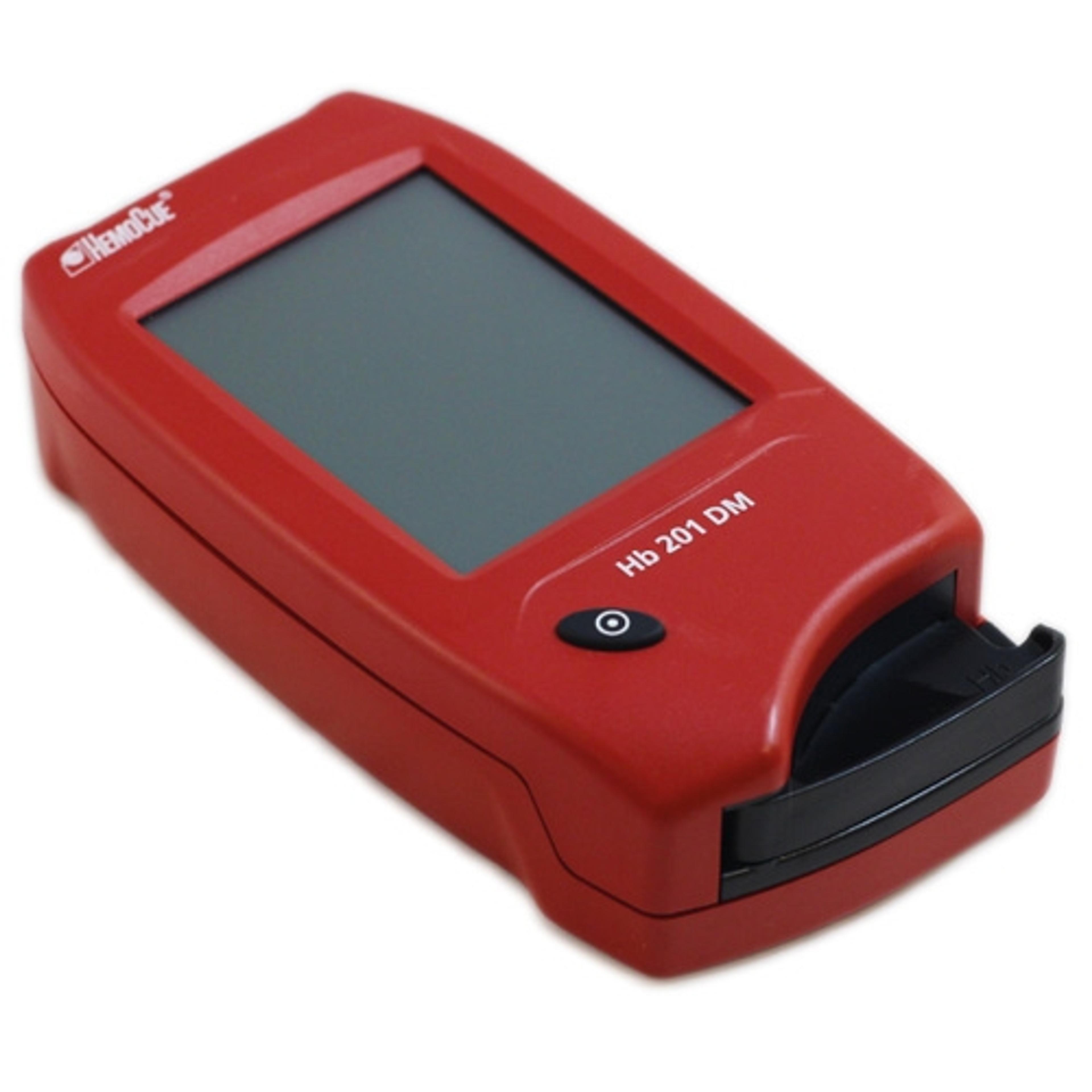
HemoCue® 201 Hb DM System

HemoCue

HemoCue® Hb 201 DM System with the added benefit of data management, helping to improve workflow and safeguard patient testing data

(0)

Links

Tags

Blood TransfusionBlood Transfusion involves giving donor blood to a recipient patient. Screening is essential to avoid transfusion reactions. Blood banks use immunohematological techniques to determine rh and ABO blood group, and screen for antibodies using specific antisera. Blood Banks use Direct Coombs Tests (DCT) and Indirect Coombs Tests (IAT) to detect hemolysis and Haemolytic Disease of the Newborn (HDN).HematologyIn Haematology / Hematology, complete blood cell counts (or full blood counts) are obtained using automated blood count analyzers to enumerate blood cell types.  Hematology also encompasses haemostasis and coagulation, thrombophilia and hemophilia, plasma viscosity and ESR analysis, hemoglobinopathies, cell morphology and haematinic measurement.Point-of-CarePoint-of-Care Testing (POCT) or Near Patient Testing (NPT) products are available for urine, blood and other clinical chemistry analyses. POCT includes: blood glucose testing, blood gas and electrolytes analysis, rapid coagulation testing (PT / INR), rapid cardiac markers diagnostics, drugs of abuse screening, urine strips testing, pregnancy testing, fecal occult blood analysis, food pathogens screening, hemoglobin diagnostics, infectious disease testing and cholesterol screening.Robotic InstrumentsRobotic instruments can be used for high-throughput automation of many lab processes. Such processes use instruments for assays like cell based assays and ELISA, for sample preparation like shakers, centrifuges and incubators, and for analysis such as sequencing and western blot analyzers. Useful features of robotic instruments include speed, reproducibility, barcode readers, software and automation.Hematology Point of CareTransfusion DiagnosticsHematology SolutionsHematology solutions involve diagnostic tests and equipment used to analyze blood samples and diagnose blood disorders such as anemia, leukemia, and hemophilia. These tools include automated full blood count analyzers, reagents, and digital morphology systems. Explore hematology solutions in our peer-reviewed product directory; compare products, check reviews, and get pricing directly from manufacturers.Blood AnalysisThe analysis of blood is vital for many areas of life sciences and forensic investigations. Blood samples can be tested for a number of different reasons such as diagnosis, glucose levels, cholesterol and drug testing.
HemoCue hemoglobin systems