
ResourceSpectroscopy
Handling High Purity Water in the LC-MS Laboratory
11 Jul 2017Ultrapure water is highly prone to contamination, as it can easily leach contaminants out of container surfaces and absorb contamination from the laboratory environment. As ultrapure water is the most frequently used solvent in any LC-MS laboratory, its purity plays a critical role in analyses. The following poster discusses a number of methods to avoid the contamination of ultrapure water.
Related products
Request Quote for All Products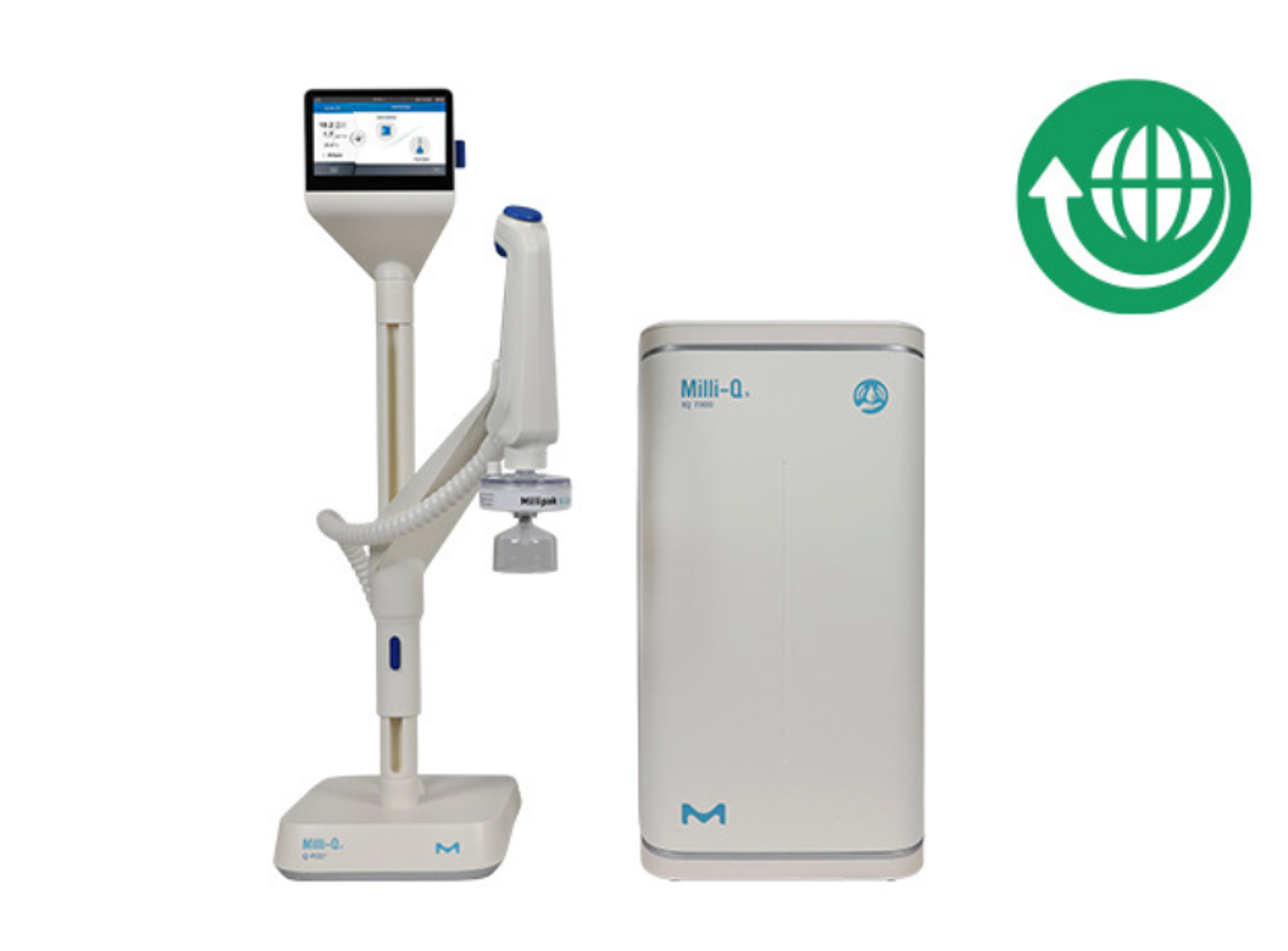
Links
Tags
Sample PreparationSample preparation can improve the quality and speed of separation techniques. Products to assist sample preparation include filtration equipment, evaporators, membranes and sieves.LC-MSLC-MS (liquid chromatography-mass spectrometry) systems and equipment are used for separation and quantitative analysis of complex mixtures, combining liquid chromatography and mass spectrometry. Quantify proteins, contaminants, pesticides or screen for drug metabolites with a high level of sensitivity. LC-MS systems and equipment include reverse phase, normal phase and specialized columns integrated with various MS detectors such as time-of-flight (TOF), quadrupole, orbitrap or ion trap mass analyzers. LC-MS/MS instruments equipped with a qTOF or triple quadrupole analyzer give greater sensitivity and resolving power to your analysis. Find the best LC-MS equipment in our peer-reviewed product directory: compare products, check customer reviews and receive pricing direct from manufacturers.Water PurificationThere are a number of water purification methods available to remove contamination from laboratory water. These systems include demineralization, reverse osmosis, filtration and ultrafiltration. A combination of methods is sometimes necessary to achieve purified water suitable for use in experiments.Ultrapure WaterUltrapure water is the highest purity water and contains the lowest levels of organic and inorganic contaminants, particulates and microorganisms.Water AnalysisAnalytical methods used to test the purity of drinking water include determining the level of contaminants abides to the level set by the Environmental Protection Agency (EPA).