ResourceEnvironmental
FTIR spectroscopy: Sampling accessories to boost your research
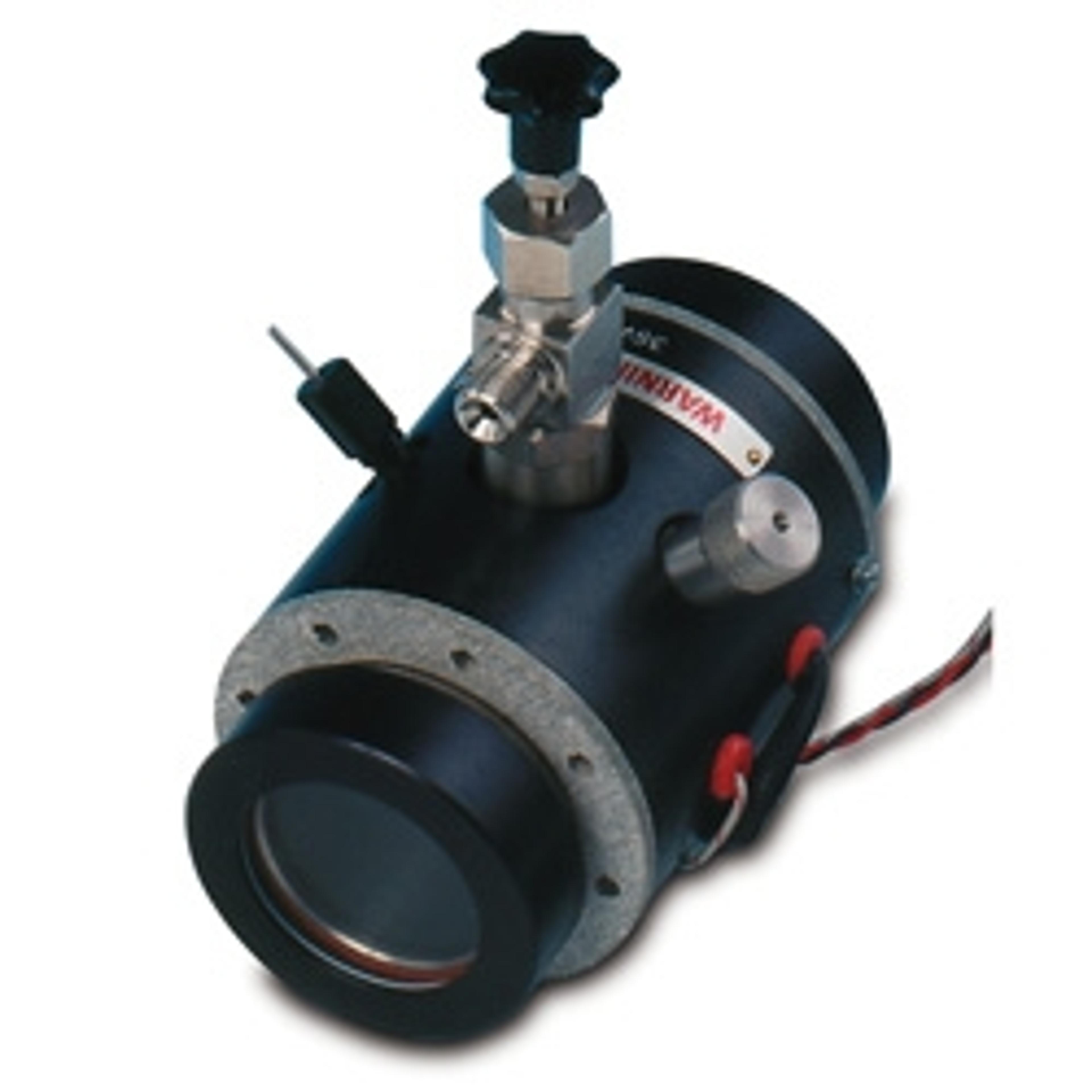
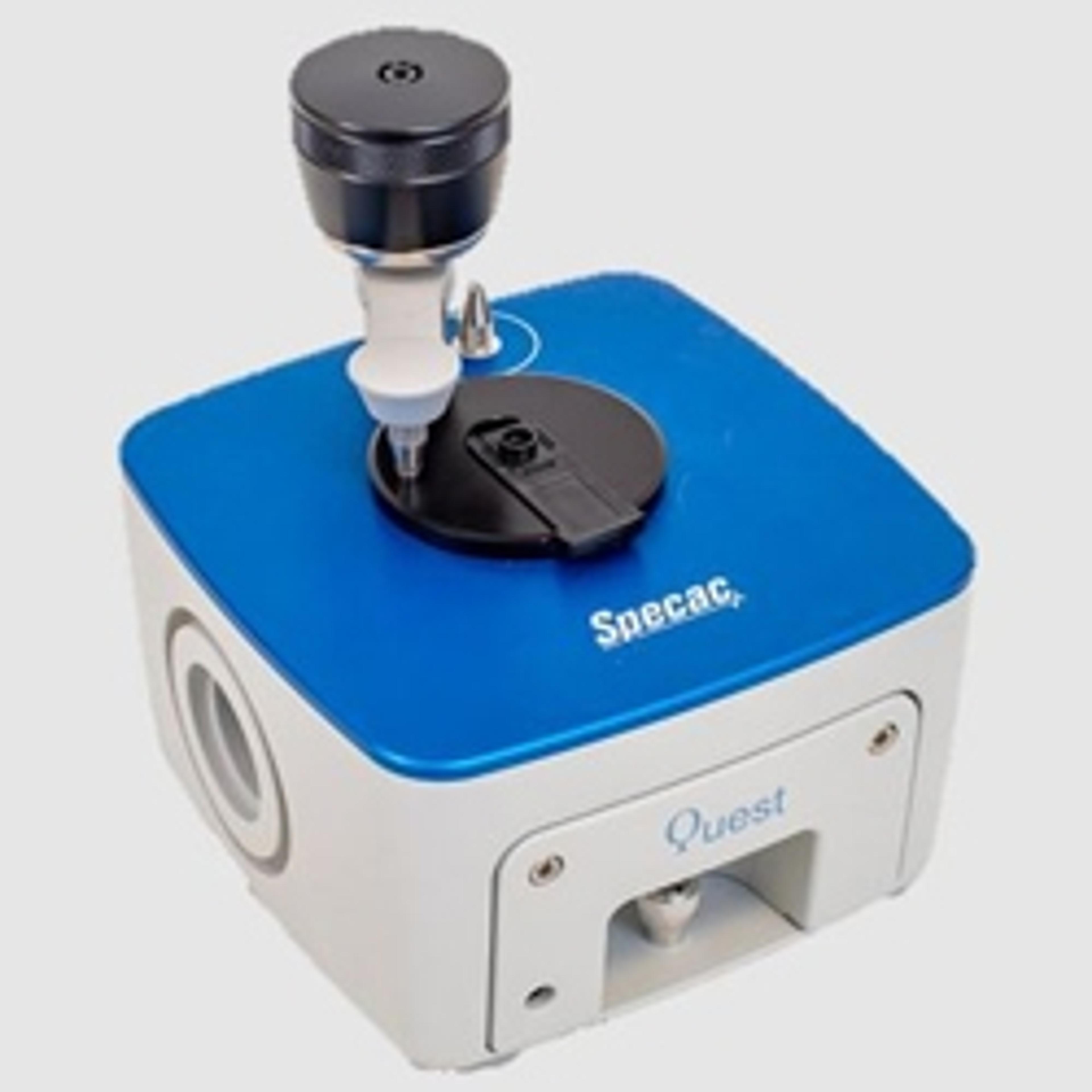
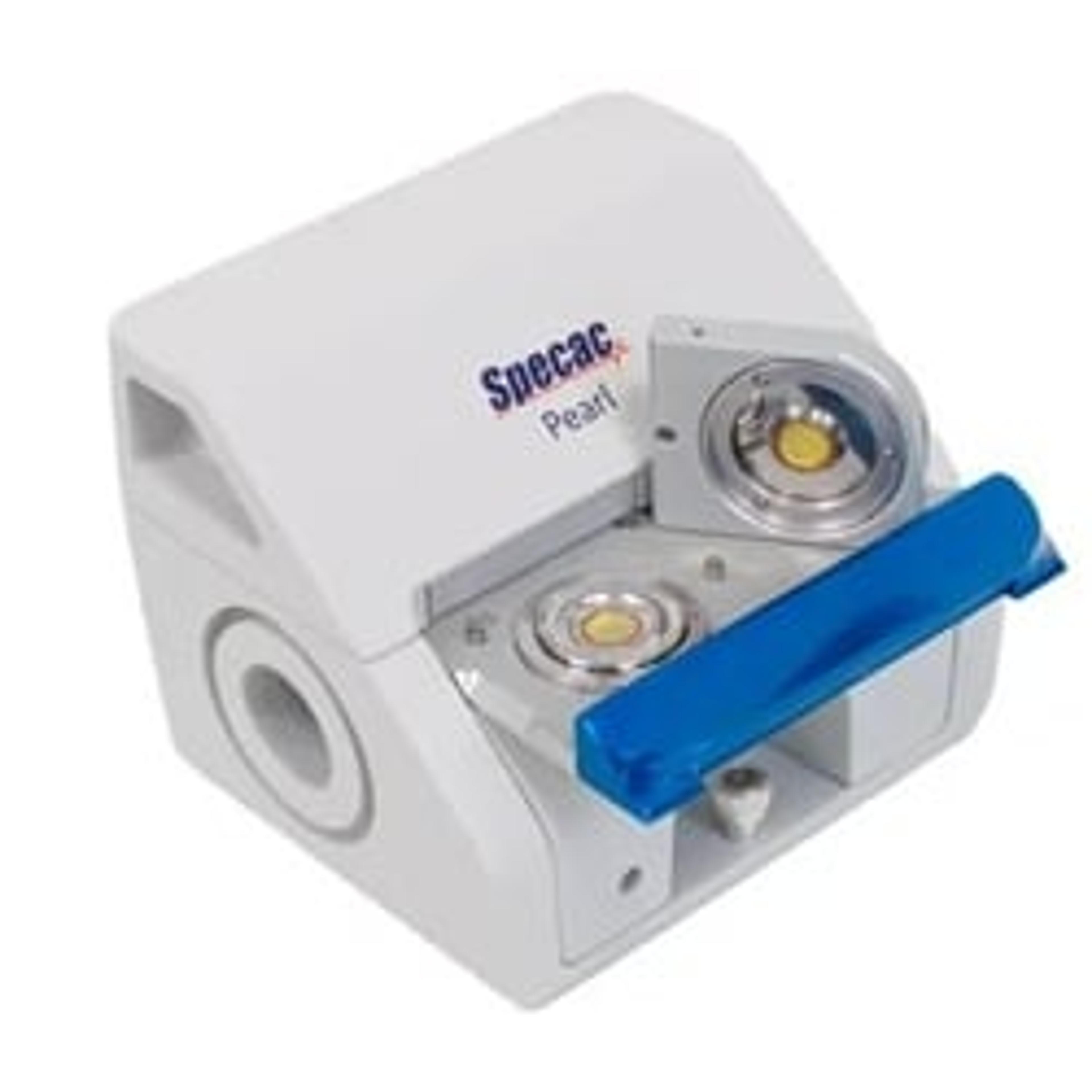
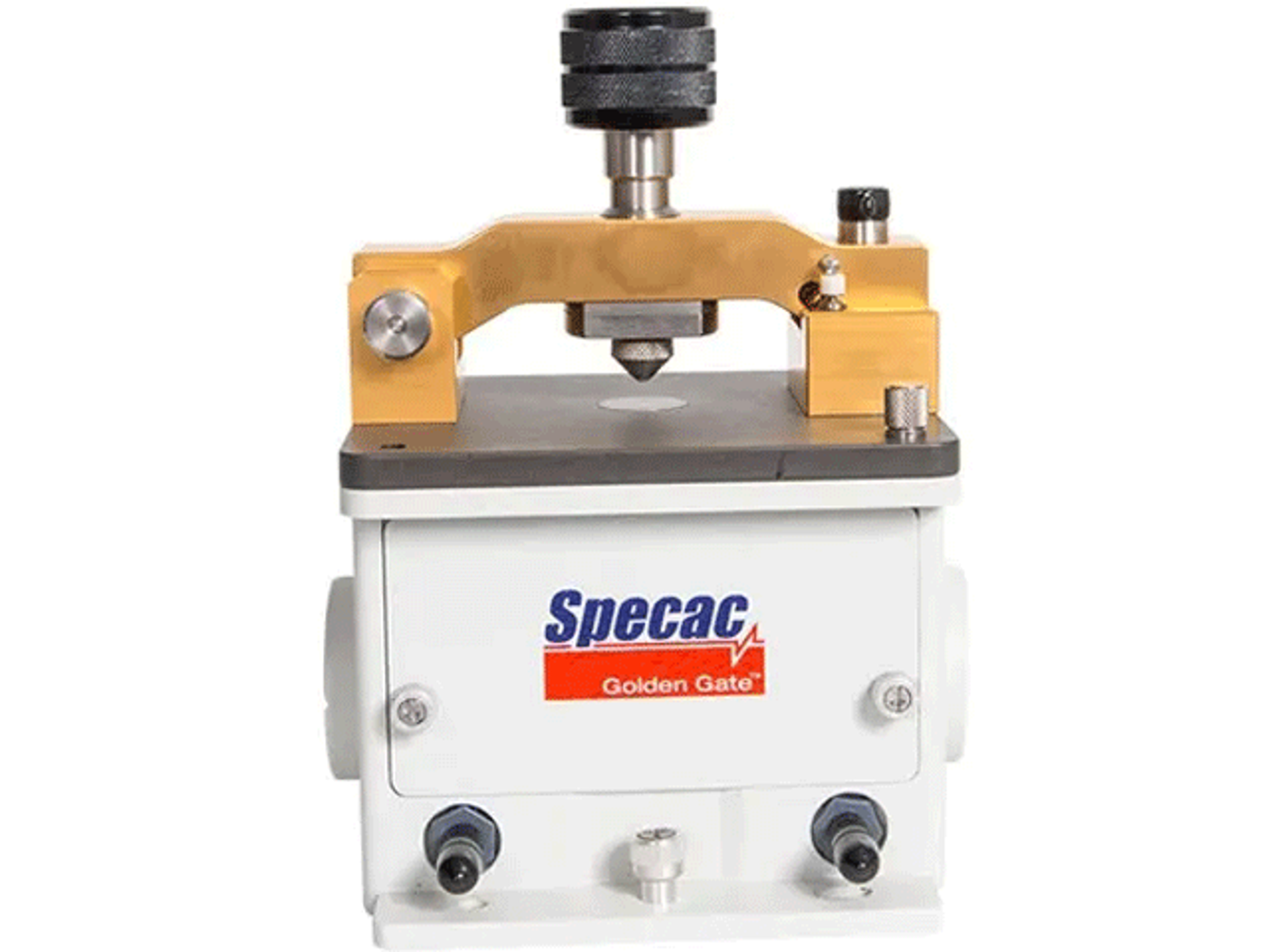
12 May 2022Fourier-transform infrared (FTIR) spectroscopy is used to probe the molecular vibrations of a sample, generating a chemical fingerprint from the molecules present within the beam of light. The technique has been employed in numerous ways across multiple fields, but whatever the aim of the experiment, an accessory is required to contain the matter under study and direct the light onto it.
In this application eBook, we review the literature for some of the most advanced FTIR spectroscopy products and explore cutting-edge research across a diverse range of fields, including sections on:
- Liquid transmission analysis – from the analysis of biodiesel blends to the detection of fake fish oil
- Attenuated total reflectance – the basics, penetration depth, advanced measurements, and more
- Advanced spectroscopy – including catalytic studies and the spectroscopy of gases
Links
Tags
Fluorescence SpectroscopyFluorometers and spectrofluorometers (also called fluorescence spectrometers) are used to measure the intensity and wavelength of fluorescent light emitted from a sample after excitation by illumination. Spectrofluorometers utilize monochromators to select the desired wavelengths, whereas filter fluorometers employ a set of filters. Spectrofluorometers for measuring steady-state fluorescence and lifetime fluorescence (or time-resolved fluorescence) are available, as well as fluorescence microscopes and microplate readers. Find the best fluorescence spectroscopy products in our peer-reviewed product directory: compare products, check customer reviews and receive pricing direct from manufacturers.FluorescenceThe emission of fluorescence occurs when a photon of energy is supplied to a fluorescent chemical compound by an external source, causing it to become excited. Fluorescence can be detected and measured for different purposes using microplate readers, fluorescence microscopes, fluorescence scanners, and flow cytometers.FTIR PelletsSpectroscopySpectroscopy is a technique that analyzes the interaction of light with matter to study molecular properties, concentrations, and structural information. Widely used in chemical, pharmaceutical, and environmental analysis, spectroscopy offers insights into molecular composition and helps identify unknown compounds. It plays a key role in quality control, research, and diagnostics. Browse our peer-reviewed product directory to compare spectroscopy tools, read reviews, and get prices directly from manufacturers.