Fluorescence Determinations Using the Extended Dynamic Range Measurement Option of the Synergy™ Neo2

Fluorescence Determinations Using the Extended Dynamic Range Measurement Option of the Synergy™ Neo2

10 Feb 2016

Research microplate readers used for low light measurements such as fluorescence or luminescence typically employ photomultiplier tubes (PMTs) to amplify and measure the emitted light source. Readers use physical parameters such as probe z-height and well centering, along with collection time to optimize the signal collection. In addition to the physical parameters these devices also allow the researcher to alter the gain setting on the PMT as a means to increase or decrease the signal amplification. One of the more difficult concepts to grasp when converting an absorbance based assay to one that uses fluorescence or luminescence based detection is the selection of the gain or sensitivity settings associated with a PMT. This white paper from BioTek explains how to use the Synergy Neo2 for fluorescence determinations and optimize it’s extended dynamic range measurement.

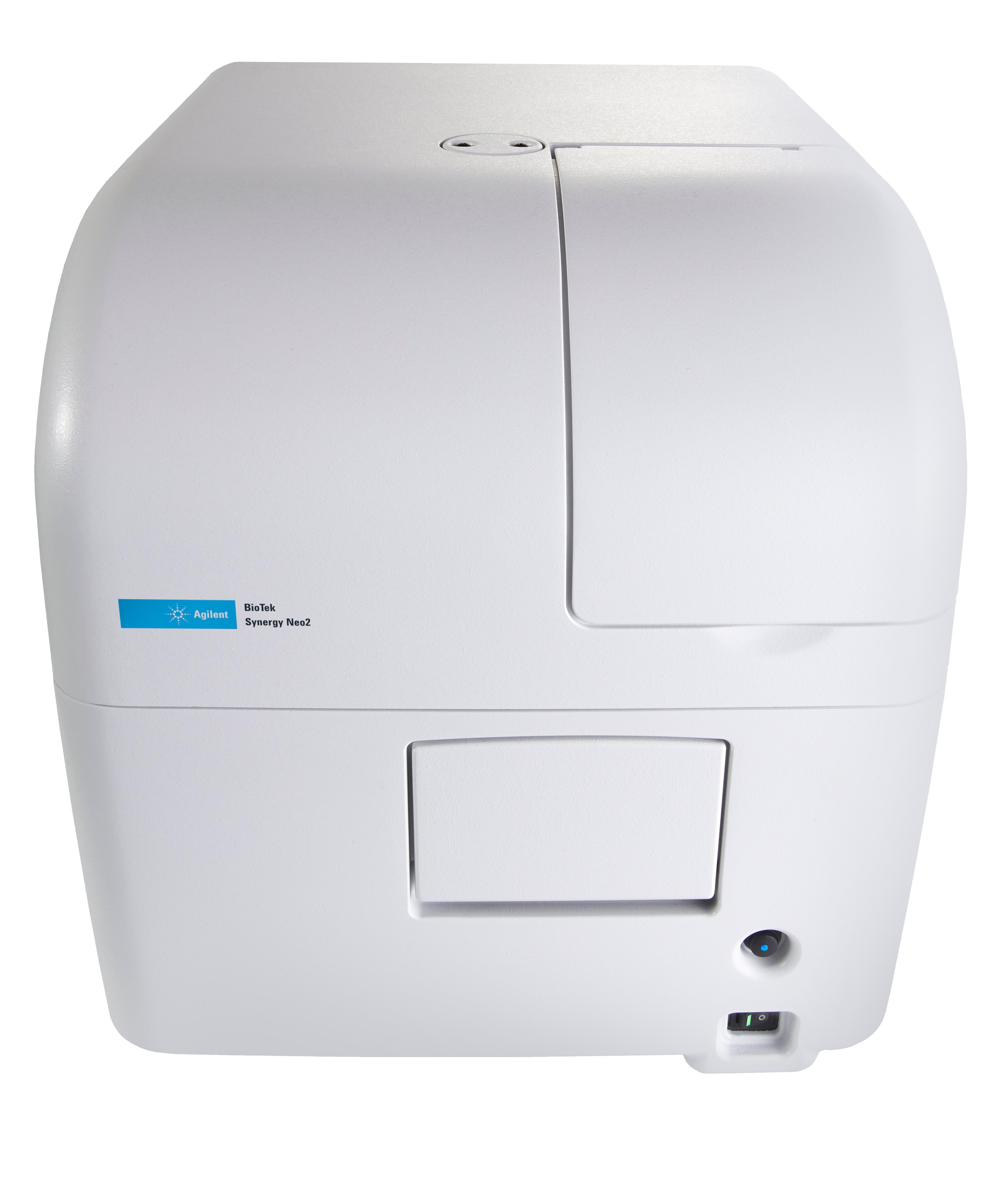
Agilent BioTek Synergy Neo2 Hybrid Multimode Reader

Agilent Technologies

Agilent BioTek Synergy Neo2 multimode microplate reader features proprietary Hybrid Technology, with independent optical paths that ensure excellent performance in all detection modes. Variable bandwidth quad monochromators, sensitive high transmission filter-based optics, laser TRF, and up to 4 PMTs provide ultrafast measurements.

(61)

Links

Tags

MicroplatesMicroplates are multi-well plates used to increase the throughput of biological investigations. The number of wells microplates contain can range from 6 to 3243 wells, with the 96-well format being the most commonly used. Microplates can come tailored for a range of applications including cell culture, PCR, filtration, storage, non-binding surface, protein crystallization, as well as pre-coated, deep well and normal Standard microplates. Additionally, options for microplate colors include clear , black, white or black with clear bottom and white with clear bottom for absorbance microplate reader applications. Find the best microplates for your lab in our peer-reviewed product directory: compare products, check customer reviews and receive pricing direct from manufacturers.Microplate Readers / DetectorsMicroplate readers are used to automate the detection and analysis of labeled or label-free components in microplates during assays or live-cell monitoring. Microplate readers are generally distinguished by their mode of detection. Types include absorbance, luminescence, fluorescence intensity, fluorescence polarization, TRF / FRET and multimode microplate readers. Microplate readers deliver a high throughput of samples by reading multiple wells simultaneously, with the 96-well format the most commonly used. As a result, microplate readers are often used in the drug discovery, bioassays, research and pharmaceutical industries for screening applications. Microplate loading can also be automated, with robotic microplate stackers to increase throughput. Find the best microplate readers in our peer-reviewed product directory: compare products, check customer reviews and receive pricing direct from manufacturers.FluorescenceThe emission of fluorescence occurs when a photon of energy is supplied to a fluorescent chemical compound by an external source, causing it to become excited. Fluorescence can be detected and measured for different purposes using microplate readers, fluorescence microscopes, fluorescence scanners, and flow cytometers.Cell BiologyCell biology studies the structure, function, and behavior of cells. Understanding cellular processes is essential for research in areas such as cancer biology, stem cell research, and neurobiology. Techniques like flow cytometry, microscopy, and cell culture enable researchers to explore cellular mechanisms in detail. Browse our peer-reviewed product directory to find the best cell biology tools and equipment, compare products, check customer reviews, and get pricing directly from manufacturers.
Fluorescence Determinations Using the Extended Dynamic Range Measurement Option of the Synergy™ Neo2