
ResourceLife Sciences
Evaluation of the BioFlo® 320 Process Capabilities
18 Jun 2016This poster characterizes the capabilities of the new Eppendorf BioFlo® 320 bioprocess control station in terms of key process parameters including oxygen transfer rate (OTR), volumetric mass transfer coefficient (kLa), tip speed, mixing time, and water consumption. These data enable quantitative analyses of bioprocess engineering parameters.
Related products
Request Quote for All Products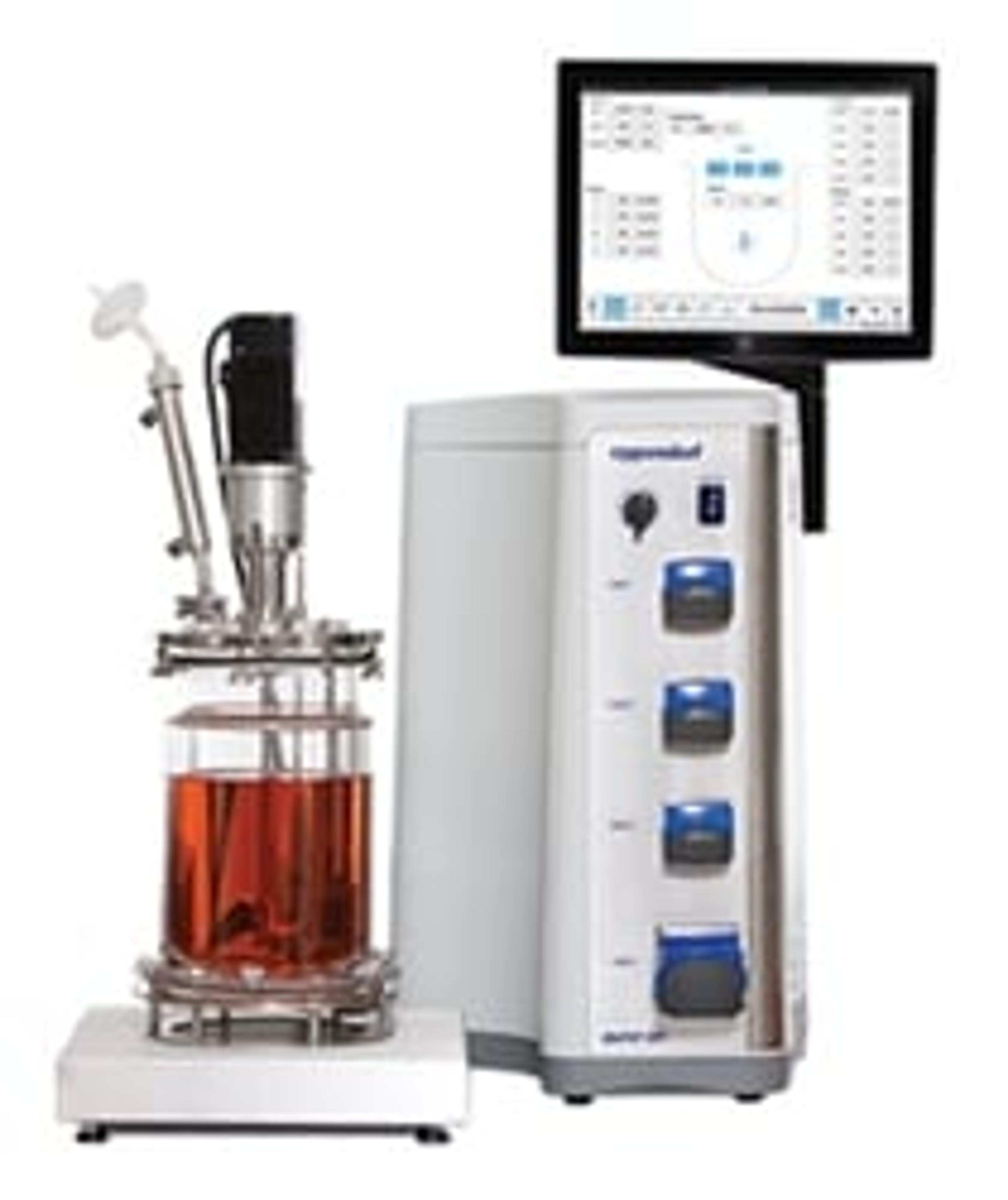
Eppendorf BioFlo® 320
EppendorfThe BioFlo 320 seamlessly blends beauty and utility in one all-inclusive package. A new industrial design, flexibility between interchangeable autoclavable and single-use vessels, intelligent sensors, Ethernet connectivity, and a new software package are only a few of the features that set it apart from the competition
Links
Tags
Cell / Tissue CultureCell culture or tissue culture is used to study the biology of cells or tissues and to isolate cellular products in an environment which can be manipulated and well defined. Accurately control your culture environment with bioreactors or culture incubators, bind your cells to a surface or together with an extracellular matrix. Distinguish cell types with differential media or proliferate cells with certain characteristics using selective media. Enrich your media with supplements such as growth factors, sera and vitamins. Find the best cell and tissue culture products, kits and equipment in our peer-reviewed product directory: compare products, check customer reviews and receive pricing direct from manufacturers.Bioprocessing / FermentationBioprocessing is the use of biological materials to perform commercial, scientific or medical research processes. Biological materials used include cells, enzymes and organisms. Usually bioprocessing requires a batch or continuous bioreactor such as a fermentor or cell culture system. The advantages of using a reactor include high productivity, easy configuration, adjustable values and automation.