ELISA explained: From basics to practical application

4 Mar 2024

ELISA methods have become widely used across various fields of biology, from healthcare and food safety to cancer research and vaccine development. Whether you need to measure gluten in beer or neutralizing antibodies in serum, there is an ELISA available to provide answers to your scientific questions. Despite being first introduced over 50 years ago, ELISAs continue to be an essential tool for many researchers. In this application eBook from Molecular Devices, explore an introduction to ELISAs and how you can effectively use them in your own research.

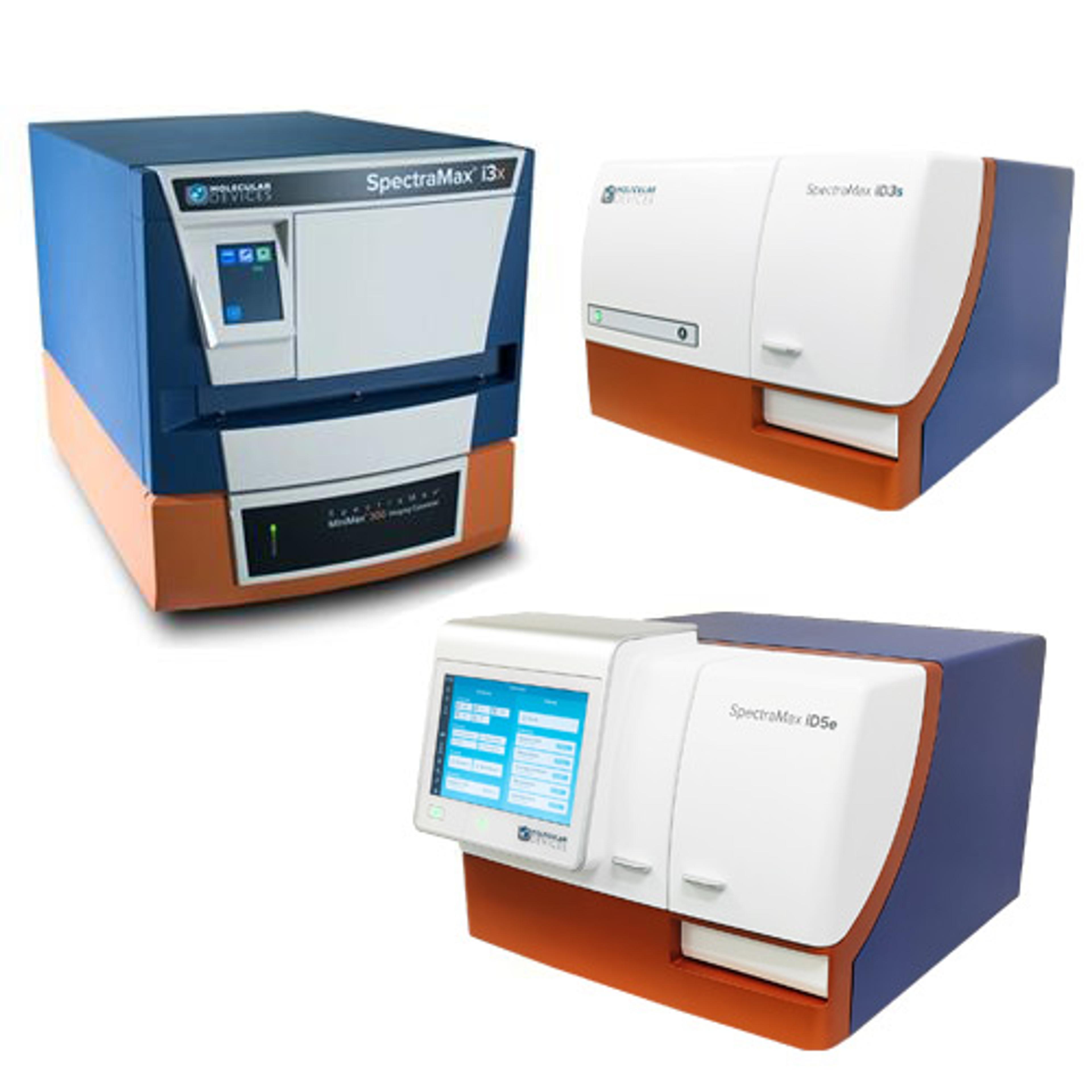
SpectraMax® Microplate Readers

Molecular Devices®

The SpectraMax® line of user-friendly microplate readers provide great flexibility for labs conducting applications ranging from ELISAs to nucleic acid and protein quantitation, and include absorbance, fluorescence, luminescence and more

(11)

Links

Tags

ELISAEnzyme-linked immunosorbent assays (ELISA), also known as enzyme immunoassays (EIA), are used for the detection and quantification of proteins, peptides and antibodies in a sample. ELISA often comes in kit format, with pre-selected antibody pairs to detect specific proteins or biomarkers of diseases such as diabetes and obesity, or cardiovascular and neurological disorders. Detection is made possible with chemiluminescent, fluorescent or colorimetric substrates and detection instruments such as microplate / ELISA readers. Other kits available include: Enzyme-linked immunospot (ELISPOT) assays for the quantification of protein-producing cells and chemiluminescent immunoassays (CLIA) kits. Find the best ELISA kits and products in our peer-reviewed product directory: compare products, check customer reviews and receive pricing direct from manufacturers.Vaccine DevelopmentVaccine development focuses on creating immunizations to protect against infectious diseases. The process involves identifying antigens, developing and testing vaccine efficacy, and ensuring safety through preclinical testing and multiple clinical trial phases. Scientists use various approaches, including weakened or inactivated viruses, protein subunits, or mRNA. Advanced platforms and rapid diagnostic tools aid in vaccine research and testing. Explore vaccine development solutions in our peer-reviewed product directory; compare products, read reviews, and get pricing directly from manufacturers. Cancer ResearchAlthough cancer is often referred to as a single condition, it actually consists of more than 100 different diseases. Microscopy, mass spectrometry, high throughput sequencing and flow cytometry are some of the most common techniques employed in cancer research labs.
ELISA explained: From basics to practical application