ResourceMaterials

Comparison of Methods: Dynamic Image Analysis, Laser Diffraction and Sieve Analysis

Comparison of Methods: Dynamic Image Analysis, Laser Diffraction and Sieve Analysis

3 Sept 2015

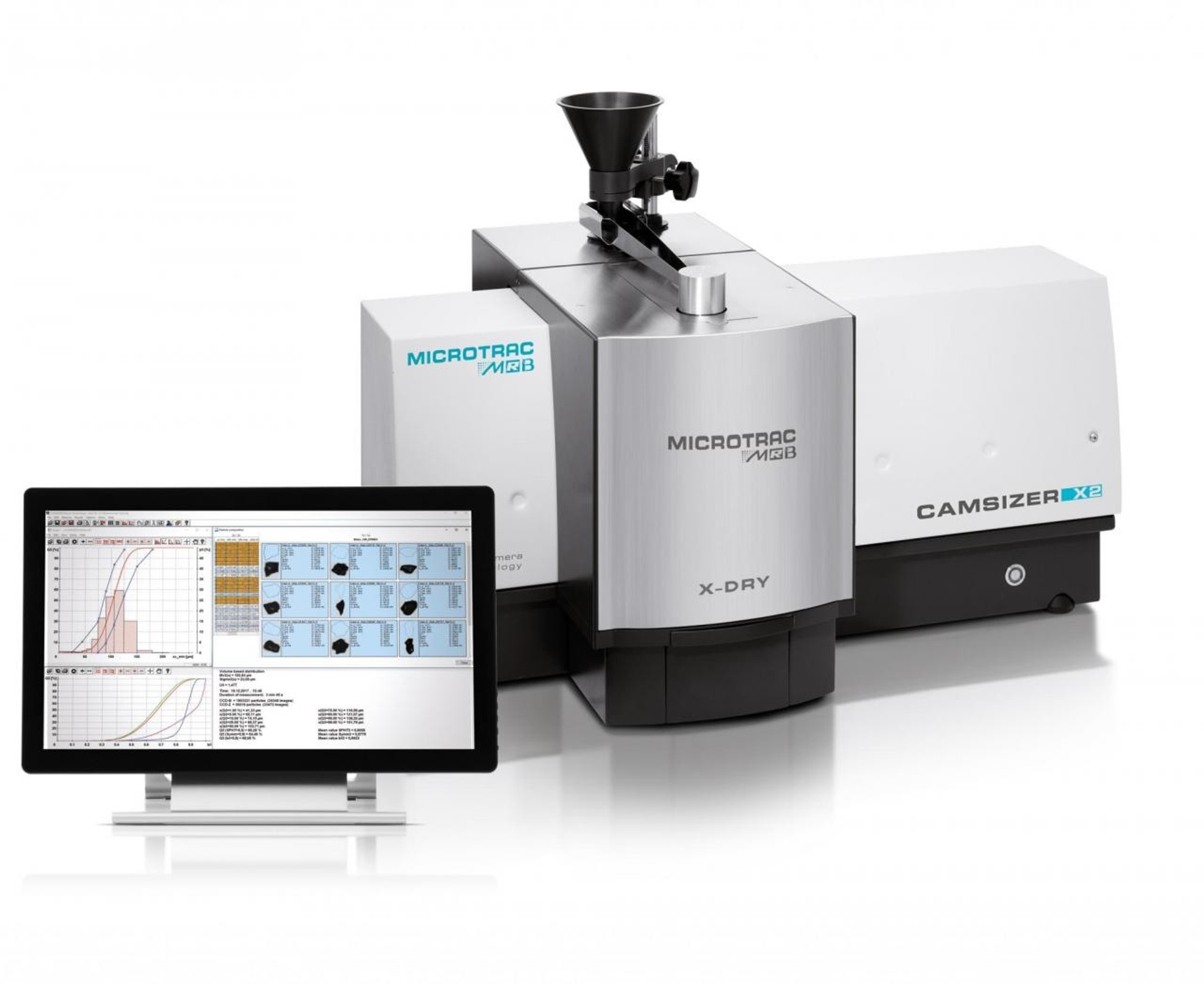
This white paper provides an overview of the informative value and significance of particle analysis results and how to decide which method is best suited for a particular application. The most common methods to determine the particle size are dynamic image analysis (DIA), static laser light scattering (SLS, also called laser diffraction) and sieve analysis. This article presents the advantages and drawbacks of each technique, their comparability among each other as well as detailed application examples. Each method covers a characteristic size range within which measurement is possible, and which partly overlap. The three methods presented here, for example, all measure particles in a range from 1 μm to 3 mm. However, the results for measuring the same sample can vary considerably.

Links

Tags

Particle CharacterizationParticle characterization instruments are used to determine particle size distribution, shape, surface area, zeta potential, density and porosity of particles and materials. Multiple tecchniques are available for determining particle size, shape and count including dynamic light scattering (DLS), laser diffraction, electrozone (Coulter technique), imaging particle analysis and single particle optical sensing. Determine the density of your material with a gas pycnometer or examine its surface area and porosity with gas adsorption analyzers and mercury porosimeters. Find the best particle characterization instruments in our peer-reviewed product directory: compare products, check customer reviews and receive pricing direct from manufacturers.Image AnalysisImage analysis involves the extraction of meaningful information from images, often using software to quantify and interpret visual data. It is widely used in cell biology, material science, and diagnostics. Increasingly, AI is being used to streamline image analysis. Explore image analysis tools in our peer-reviewed product directory; compare products, check reviews, and get pricing directly from manufacturers.Dynamic Light ScatteringDynamic light scattering is used to measure the size distribution of particles in suspension by analyzing the way light scatters off them. It is commonly used in materials science, nanotechnology, and protein characterization. Browse our peer-reviewed product directory to find the best dynamic light scattering systems, compare products, check reviews, and get pricing directly from manufacturers.
Comparison of Methods: Dynamic Image Analysis, Laser Diffraction and Sieve Analysis