Chasing listeria in food and water: Advancements in detection and strain discrimination

16 Jan 2024

In this application note, Bruker's listeria workflow showcases the MALDI Biotyper's® ability to identify microorganisms by their proteomic fingerprints. Additionally, the IR Biotyper® serves as a rapid microbiological method for strain discrimination, offering ready-to-use classifiers that are valuable for typing L. monocytogenes based on colony material. The IR Biotyper is not limited to L. monocytogenes alone, supporting various other species and allowing users to test their own strain collections. This flexibility extends to constructing dendrograms and scatter plots for strain discrimination across Gram-positive and Gram-negative bacteria.

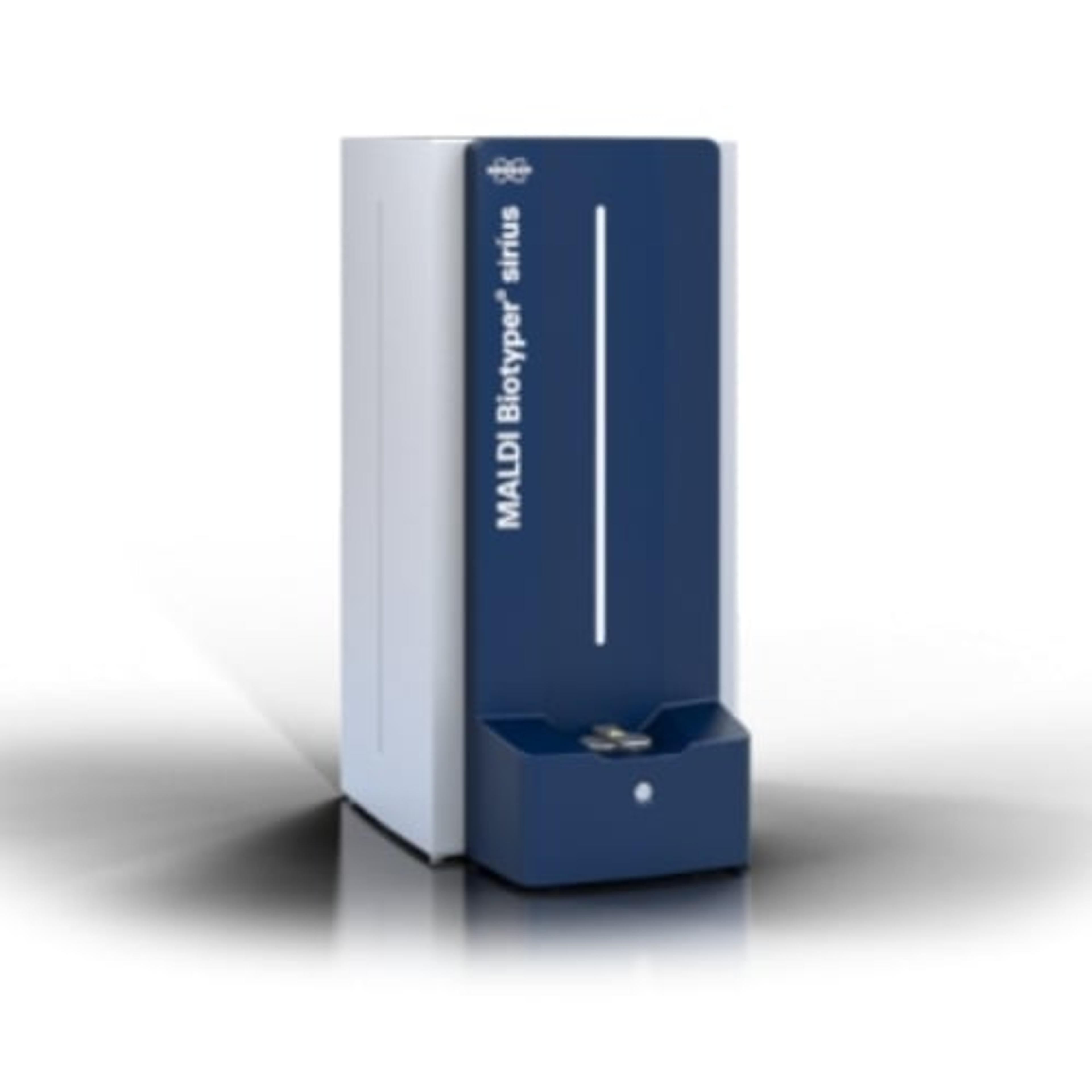
MALDI Biotyper® sirius System

Bruker Microbiology & Infection Diagnostics

The MALDI Biotyper® employs MALDI-TOF mass spectrometry for microbial identification, facilitating unbiased identification of microorganisms within a few minutes down to the species level, starting from culture. It boasts various features, such as ease of use, rapidity, robustness, high throughput, cost-effectiveness, and efficiency, making it a must-have for microbiology laboratories.

(7)

Links

Tags

AntibodiesAntibodies are used in techniques such as confocal and fluorescence microscopy, flow cytometry, ELISA, ELISPOT, immunohistochemistry, western blotting and immunopreciptation. Select specific antigen reactivity, high specific affinity, low non-specific binding, monoclonal or polyclonal, primary or secondary antibodies and associated conjugates such as an enzyme or dye for visualization.MicrobiologyMicrobiology is the study of microorganisms including protists, prokaryotes, fungi, and, often, viruses. Microorganisms are a useful research tool as genetic vectors and, in immunology, for antibiotic susceptibility testing, cellular biology and genetics. Microorganisms commonly grow readily in incubators with microbial culture media; this can contain chromogenic supplements to differentiate between cell lines. Estimate your culture’s density of microorganisms with colony counters, or screen and select colonies for desirable clones with automated colony pickers. Additionally, equipment is available to monitor environments for the presence of microbes and identify with microbial identification instruments. Find the best microbiology products in our peer-reviewed product directory: compare products, check customer reviews and receive pricing direct from manufacturers.BiomarkersBiomarkers are biological markers which can be measured and evaluated to indicate a biological state. The use of biomarkers in research and diagnosis can indicate a normal or disease state or drug response of cells / tissues. Biomarkers include genetic markers, cell surface markers such as antigens, antibodies or receptors and secreted molecules such as cytokines. An assay system is required for identification of biomarkers. :Food and Beverage AnalyzersFood and Beverage Analyzers are commonly used to provide information about the chemical composition, structure and physical properties of food materials.AntimicrobialsBacteriaBacteria are microorganisms that play critical roles in the environment, human health, and biotechnology. Understanding bacterial genetics, growth, and metabolism is essential for developing antibiotics, vaccines, and improving industrial processes. Browse our peer-reviewed product directory to find the best bacterial research tools, compare products, check reviews, and get pricing directly from manufacturers.Genome SequencingGenome sequencing involves determining the complete DNA sequence of an organism's genome. It provides crucial information about genetic variations, mutations, and diseases. Advances in sequencing technologies, such as next-generation sequencing (NGS), have accelerated research in genomics, diagnostics, and personalized medicine. Explore genome sequencing tools in our peer-reviewed product directory; compare products, check reviews, and get pricing directly from manufacturers.ListeriaBacterial IdentificationInfectious DiseasesInfectious diseases are caused by pathogens such as bacteria, viruses, and fungi. Effective detection, prevention, and treatment are crucial to control outbreaks and improve public health. Diagnostic tools, vaccines, and antimicrobial treatments are essential components of managing these diseases. Research into emerging pathogens and resistance patterns continues to evolve. Browse our peer-reviewed product directory to find the best diagnostic tools, prevention solutions, and treatment options; compare products, read customer reviews, and get pricing directly from manufacturers.