
ResourceLife Sciences
Benefits of multimode readers with integrated cooling on assay stability
10 Feb 2022This application note describes the results of a series of assays investigating the temperature susceptibility of bioluminescent and biofluorescent reactions, kinetic profiling, and high throughput screening.
The application note demonstrates how the Spark® multimode reader’s Te-Cool™ module allows the measurement chamber to be set at temperatures between 18 and 42°C. This improved temperature control is designed to limit the effect of heat on the dynamics of enzymatic reactions.
Related products
Request Quote for All Products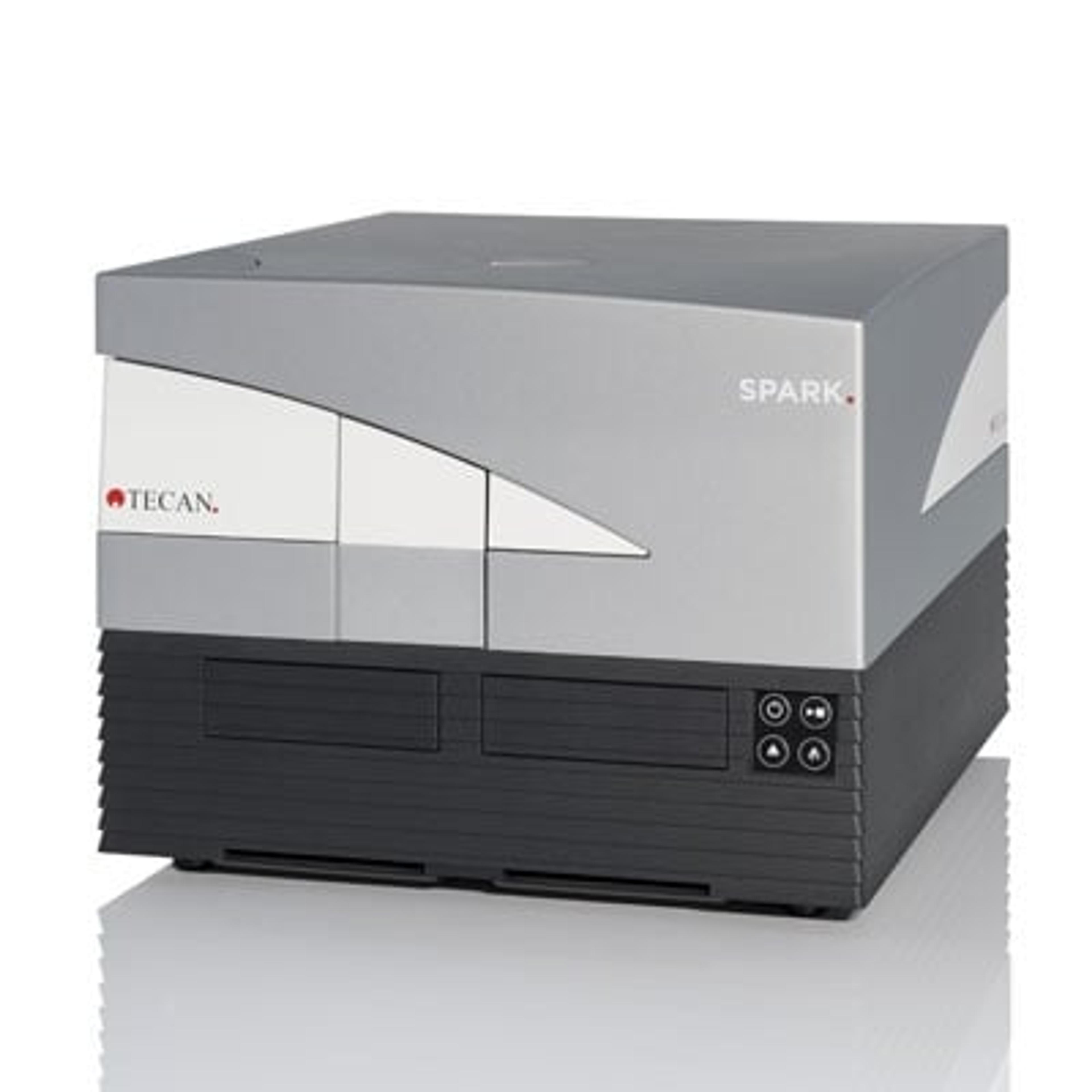
Spark® Multimode Microplate Reader
TecanIncrease your productivity for advanced research and drug discovery with Spark, the first multimode microplate reader with integrated cooling.
Links
Tags
Microplate Readers / DetectorsMicroplate readers are used to automate the detection and analysis of labeled or label-free components in microplates during assays or live-cell monitoring. Microplate readers are generally distinguished by their mode of detection. Types include absorbance, luminescence, fluorescence intensity, fluorescence polarization, TRF / FRET and multimode microplate readers. Microplate readers deliver a high throughput of samples by reading multiple wells simultaneously, with the 96-well format the most commonly used. As a result, microplate readers are often used in the drug discovery, bioassays, research and pharmaceutical industries for screening applications. Microplate loading can also be automated, with robotic microplate stackers to increase throughput. Find the best microplate readers in our peer-reviewed product directory: compare products, check customer reviews and receive pricing direct from manufacturers.Assay DevelopmentThe process of proving an assay to be sensitive with respect to the target is known as assay development. The assay should be able to characterize novel compounds and measure the potency of these compounds against a validated biological target.Enzymes