Analyzing Post-Translational Modifications of Intact IgG Using Aeris™ WIDEPORE Core-Shell HPLC/UHPLC and BioSep™ GFC/SEC Columns

23 Oct 2014

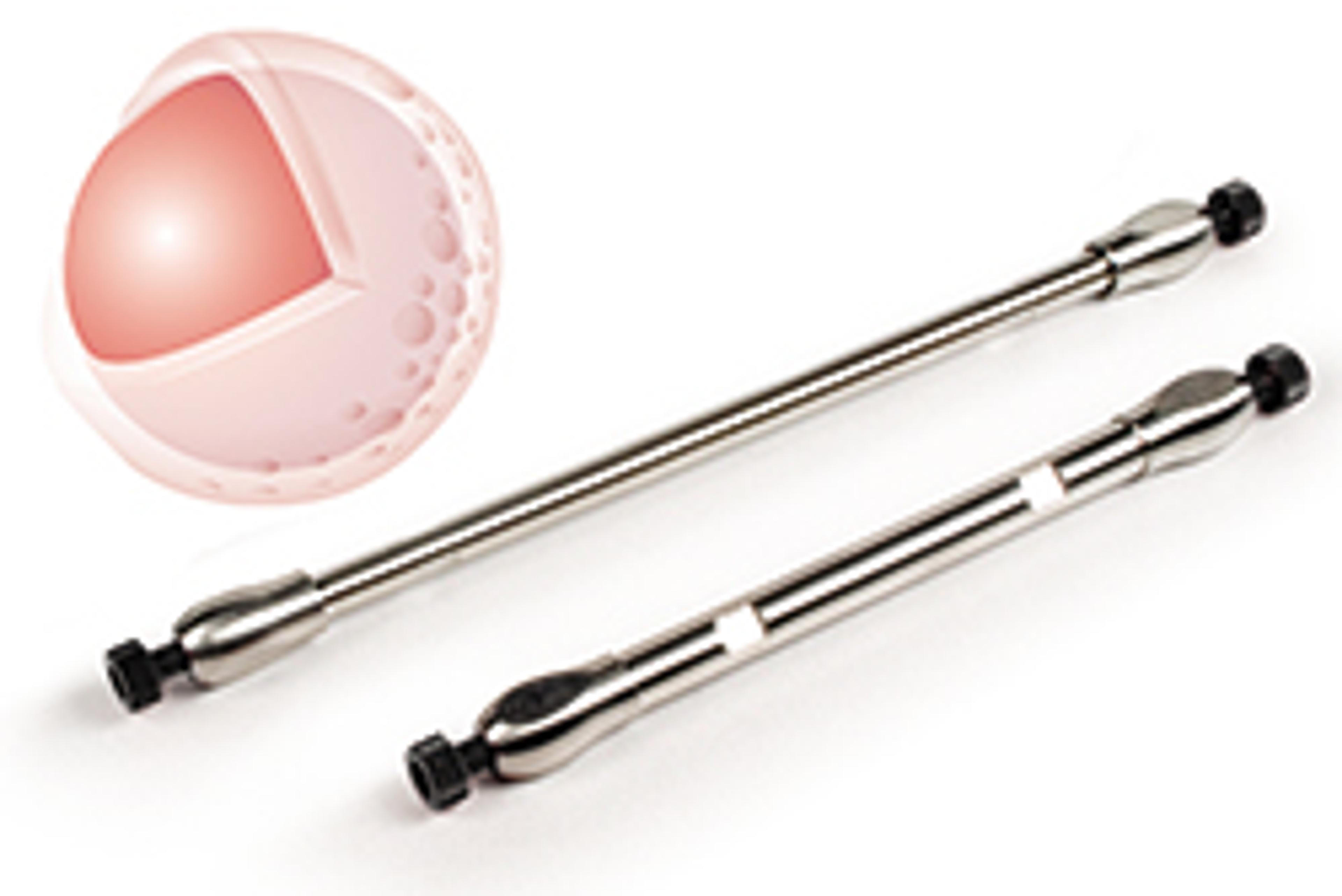
The ever growing interest in protein therapeutics has found researchers looking for improved solutions for identifying posttranslational modifications of proteins. For the analysis of large, intact proteins like recombinant IgG therapeutics, Phenomenex offers two bioseparation product lines (Aeris and BioSep) for improved solutions in identifying low-level post-translational modifications. Aeris WIDEPORE is a reversed phase core-shell HPLC/UHPLC column that features improved resolution and recovery versus traditional fully porous 300 Å media. BioSep columns offer high performance gel filtration separations that offer improved resolution and inertness versus other aqueous GFC columns. This application note features examples of the use of each column for analyzing recombinant IgG.

Aeris Core-Shell LC Columns for Proteins and Peptides

Phenomenex Inc

  Core-Shell Particles Precision Engineered for Protein and Peptide Separations.   Core-shell particle technology provides striking increases in peak capacity and resolution at lower backpressure, giving chromatographers the ability to achieve ultra-high performance on ANY system, HPLC or UHPLC. A uniform porous silica layer is grown around a solid, spherical silica core, providing effective retention and selectivity with improved resolution, speed, and recovery. Next, optimizing the pore size and shell thickness for intact proteins or smaller peptide fragments provides well-defined depth penetration of biomolecules leading to maximum separation power. Column Specifications: Phase: PEPTIDE XB-C18, WIDEPORE C4, WIDEPORE XB-C18, WIDEPORE XB-C8 Particle Size: 1.7, 2.6, 3.6, 5.0 µm Pore Size: 200, 100 Å Length: 50, 100, 150, 250 mm ID: 2.1, 3.0, 4.6, 10.0, 21.2 PEPTIDE XB-C18 Synthetic peptide impurity analysis Peptide mapping Identifying protein modifications - Glycosylation - Substitution - Truncation Analyzing post-translational modifications - Deamidation - Oxidation - Deletions WIDEPORE XB-C18 Proteins Hydrophilic proteins PEGylated proteins High temperature separations Alternative selectivity for peptide mapping WIDEPORE XB-C8 Large proteins Moderately hydrophobic proteins Monoclonal antibodies Glycosylated proteins High temperature separations WIDEPORE C4 Very large proteins Very hydrophobic proteins Membrane proteins Least retentive

(3)

BioSep™ Aqueous GFC/SEC Columns

Phenomenex Inc

Economical, high efficiency columns to purify and/or characterize proteins, peptides, and other biomolecules including antibodies, aggregates, and PEGylated proteinsHigh performance: Analytical and preparative BioSep columns offer high resolution, maximum efficiency, and exceptional peak asymmetryImproved recovery: Extremely inert media offers advantages for accurte quantitationFlexible method development: 3 phases options (2000, 3000, 4000) to separate samples of varying molecular weight rangesPhenomenex offers support services worldwide through PhenoLogix, an in house analytical support laboratory. The team provides full support for labs needing method development and optimization support for new size excluion methods, as well as transferring current methods from other GFC media to BioSep-SEC-S phases.

(1)

Links

Tags

UHPLC and HPLCHigh performance liquid chromatography (HPLC) and ultra high performance liquid chromatography (UHPLC), also known as UPLC, are analytical techniques used to separate, identify and quantitate components of complex mixtures including biological samples such as proteins and lipids as well as chemical mixtures of pesticides, drugs and oils. Both techniques are liquid chromatographic methods but differ by operating pressures (HPLC < 6000 psi < UHPLC ). Components of HPLC and UHPLC systems include columns, detectors, pumps, autosamplers and column heaters. Explore a range of UHPLC and HPLC columns for your specific sample needs including reverse phase, normal phase, ion exchange, HILIC, ion exclusion and size exclusion columns. For more specialized HPLC, explore FPLC, countercurrent LC and simulated moving bed systems. Find the best UHPLC and HPLC equipment in our peer reviewed product directory: compare products, check customer reviews and receive pricing direct from manufacturers.Genome AnalysisGenomics, the study of genomes, includes functional genomics, evolutionary genomics and comparative genomics. There are many genomic technologies such as DNA sequencing of whole genomes, computational biology and bioinformatics. DNA and nucleic acids must be isolated and concentrated from cells for analysis with kits, automated analyzers and software. Other useful technologies for studying genomics include PCR, microarrays and electrophoresis.BiomarkersBiomarkers are biological markers which can be measured and evaluated to indicate a biological state. The use of biomarkers in research and diagnosis can indicate a normal or disease state or drug response of cells / tissues. Biomarkers include genetic markers, cell surface markers such as antigens, antibodies or receptors and secreted molecules such as cytokines. An assay system is required for identification of biomarkers. :GC-MS GC-MS (gas chromatography-mass spectrometry) instruments and equipment are used to separate, quantify and identify mixtures of small and volatile compounds, such as polycyclic aromatics, fatty acids and alcohols. Often used in drug detection, forensic investigation and environmental analysis for pesticides and contaminants, GC-MS is a powerful addition to your lab’s analytical capabilities. GC-MS/MS instruments equipped with a qTOF or triple quadrupole analyzers can give greater sensitivity and resolution to your analysis. Find the best GC-MS instruments and equipment in our peer-reviewed product directory: compare products, check customer reviews and receive pricing direct from manufacturers.Post-Translational ModificationsProtein BiologyThe analysis of protein expression, identity and function is vital for many areas of life science research and drug discovery. Some of the most commonly used techniques in protein analysis include Western blotting, electrophoresis and mass spectrometry.ChromatographyChromatography is a powerful technique used to separate and analyze components of mixtures based on their chemical properties. It is widely used in fields like biochemistry, pharmaceuticals, and environmental analysis. By exploiting differences in the interaction of substances with a stationary phase and a mobile phase, chromatography enables precise purification and quantification of compounds. Whether you're working with complex biological samples or industrial chemicals, chromatography is essential for obtaining high-quality results. Browse our peer-reviewed product directory to find the best chromatography systems, compare products, read customer reviews, and get pricing directly from manufacturers.
Analyzing Post-Translational Modifications of Intact IgG Using Aeris™ WIDEPORE Core-Shell HPLC/UHPLC and BioSep™ GFC/SEC Columns