
Analyzing fats and oils by GC: A comprehensive guide
5 Apr 2021Edible oils and fats are essential components of a healthy diet, therefore it’s important to ensure product quality and monitor fatty acid composition. This guide provides a comprehensive overview of the analysis of fats and oils by gas chromatography, and how to select the best column based on sample type, column dimension, column phase, application and manufacturer.
Related products
Request Quote for All Products
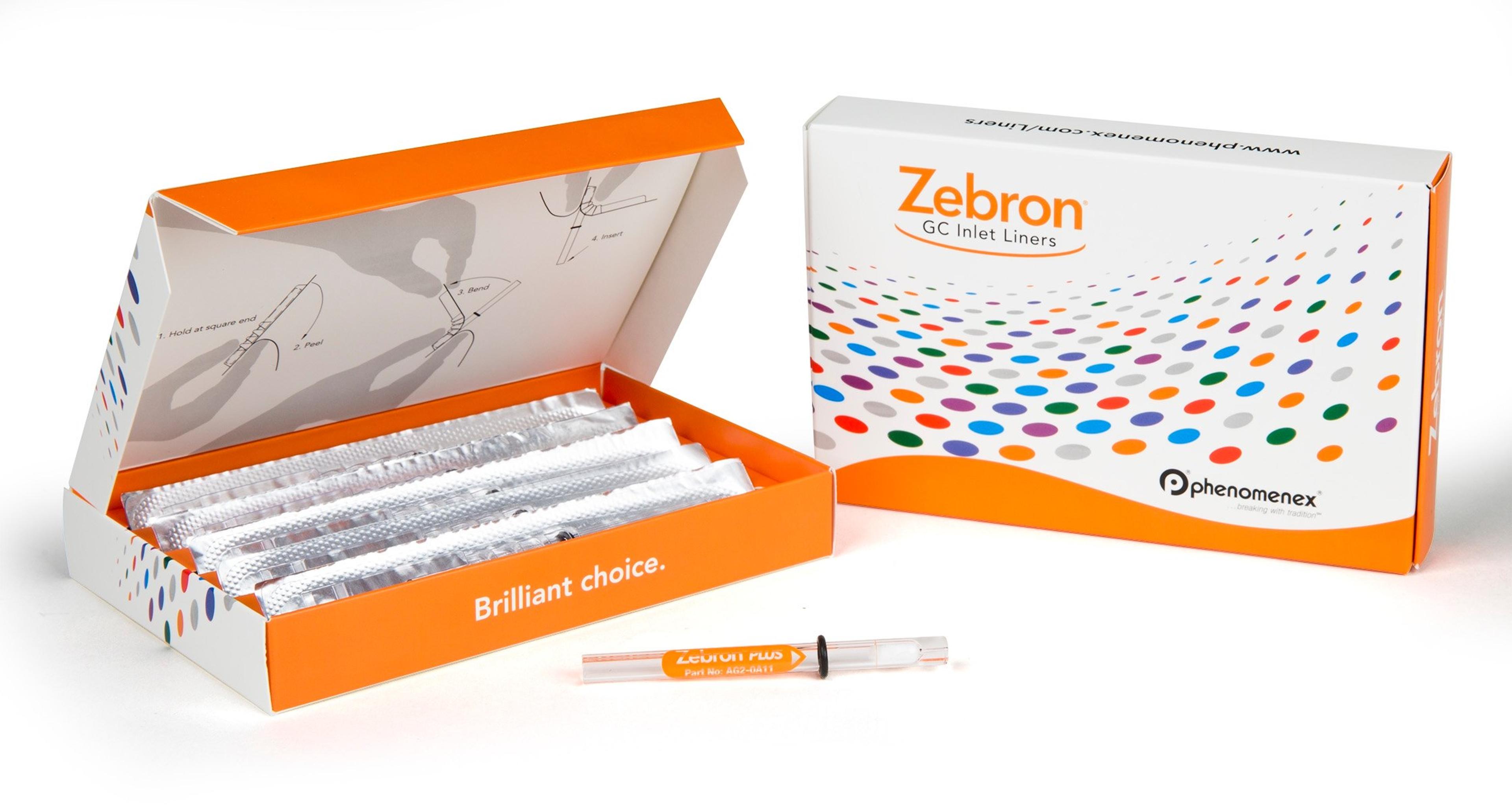
Zebron™ PLUS GC Inlet Liners
Phenomenex IncIntroducing ZebronTM PLUS GC Inlet Liners Zebron PLUS Liners Optimized for trace and active compound analysis, Zebron PLUS GC liners undergo a unique chemical deactivation treatment resulting in a remarkably inert GC inlet liner. Zebron Essential Liners Zebron Essential liners undergo a vapor deposited deactivation process resulting in a thin film liner that is ideal for routine analysis. Why Use Pre-Packed Liners? Though the upfront cost of self-packing your liner may seem attractive, the time and headaches caused by resulting tailing or irreproducible peaks can be sizeable! Self-packed wool fibers commonly break during installation and any existing deactivation on the liner can also be scratched or damaged. Pre-packed Zebron PLUS liners undergo the deactivation process with the quartz wool already in place, which ensures that any active sites that form during packing are not exposed. Zebron PLUS liners Advantage Remarkably Inert GC inlet liners for superior sample protection Easy to install, touchless packaging allows you to protect yourself from cuts or breakage Eliminates contamination that may occur during the installation process.