
ResourceSeparations
Analysis of Cortisone Acetate Tablets by Nexera UC SFC System
29 Jul 2015The United States Pharmacopeia (USP) monographs are widely referenced to ensure the quality of drug substances. The USP monographs offer reliable and robust methods, but some methods, especially those using normal phase HPLC, require harmful solvents. This application note shows an example of the analysis of cortisone acetate tablets according to the USP monograph, using Shimadzu’s Nexera UC SFC system. Nexera UC can improve analytical workflow by utilizing a completely new separation technology, Unified Chromatography, which unites sample separation, analysis with various separation modes, and high-sensitivity detection.
Related products
Request Quote for All Products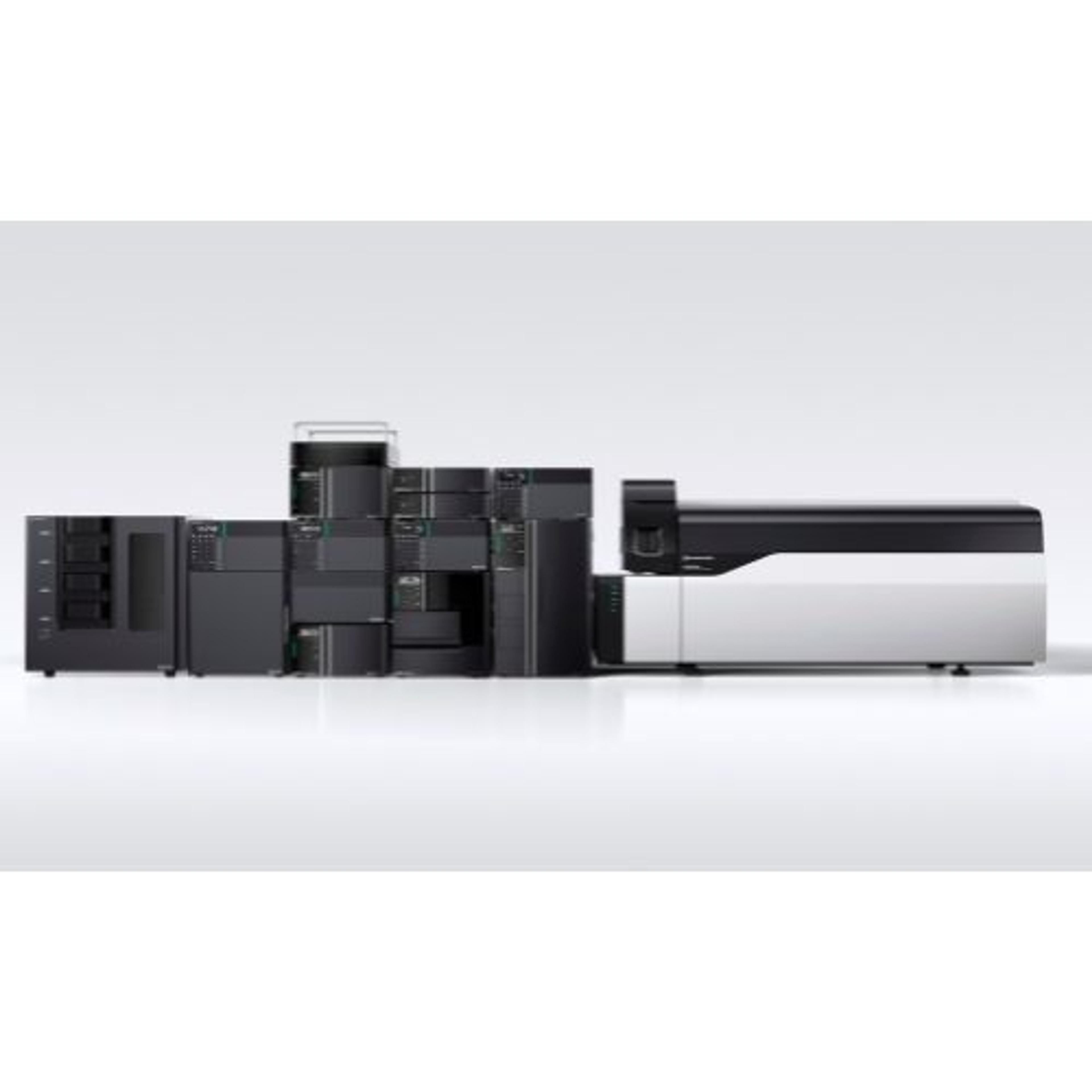
Links
Tags
Supercritical Fluid ChromatographySupercritical Fluid Chromatography (SFC) is used for the rapid separation and analysis of complex mixtures. SFC systems require injectors, pumps, columns, ovens and detectors. The SFC retention method uses a supercritical fluid, usually CO2. There are a number of different SFC detector types including UV / VIs, ECD, mass spectrometry and fluorescence.Chem / BioinformaticsCheminformatics and bioinformatics are computational techniques used in chemistry and biology, respectively, for data acquisition, processing and storage. Cheminformatics focuses on compound information, whereas bioinformatics is mainly applied to analysis and modeling of genomics, genetic and sequencing information. Hardware and software is available for data acquisition, analysis, management and storage.Sample ManagementSample management systems include sample storage devices such as freezers and plate storers, sample environment enclosures and sample organization, retrieval and sorter systems. Useful system features include high-throughput, automation, robotic arms, automated liquid handling and associated database systems. Accessories in sample management include barcode scanners, heat sealers and tubes.Biopharmaceutical AdvancesBiopharmaceutical advances follow the development of pharmaceuticals derived from biotechnology, also known as biotechnology medicines. Biopharmaceuticals may be produced from cell lines, plants, or microbial cells. Important considerations of biopharmaceutical use include application, cost, production process and purification.Chromatography Method DevelopmentChromatography method development is the process of designing and optimizing chromatographic techniques to separate and analyze complex mixtures. This includes selecting appropriate stationary and mobile phases, determining flow rates, and optimizing detection methods. Successful method development is essential for high-quality results in fields like pharmaceuticals, food safety, and environmental analysis. Explore chromatography method development tools in our peer-reviewed product directory; compare products, check reviews, and get pricing directly from manufacturers.Drug TestingIt is essential to test the efficacy and toxicity of drugs at every stage of their development to ensure that a pharmaceutical product is fit for purpose and safe for use before reaching the stage of mass production and distribution.ChromatographyChromatography is a powerful technique used to separate and analyze components of mixtures based on their chemical properties. It is widely used in fields like biochemistry, pharmaceuticals, and environmental analysis. By exploiting differences in the interaction of substances with a stationary phase and a mobile phase, chromatography enables precise purification and quantification of compounds. Whether you're working with complex biological samples or industrial chemicals, chromatography is essential for obtaining high-quality results. Browse our peer-reviewed product directory to find the best chromatography systems, compare products, read customer reviews, and get pricing directly from manufacturers.