
Analysis of Artificial Food Dyes Using UltraPerformance Liquid Chromatography and an Extended Wavelength Photo Diode Array Detector
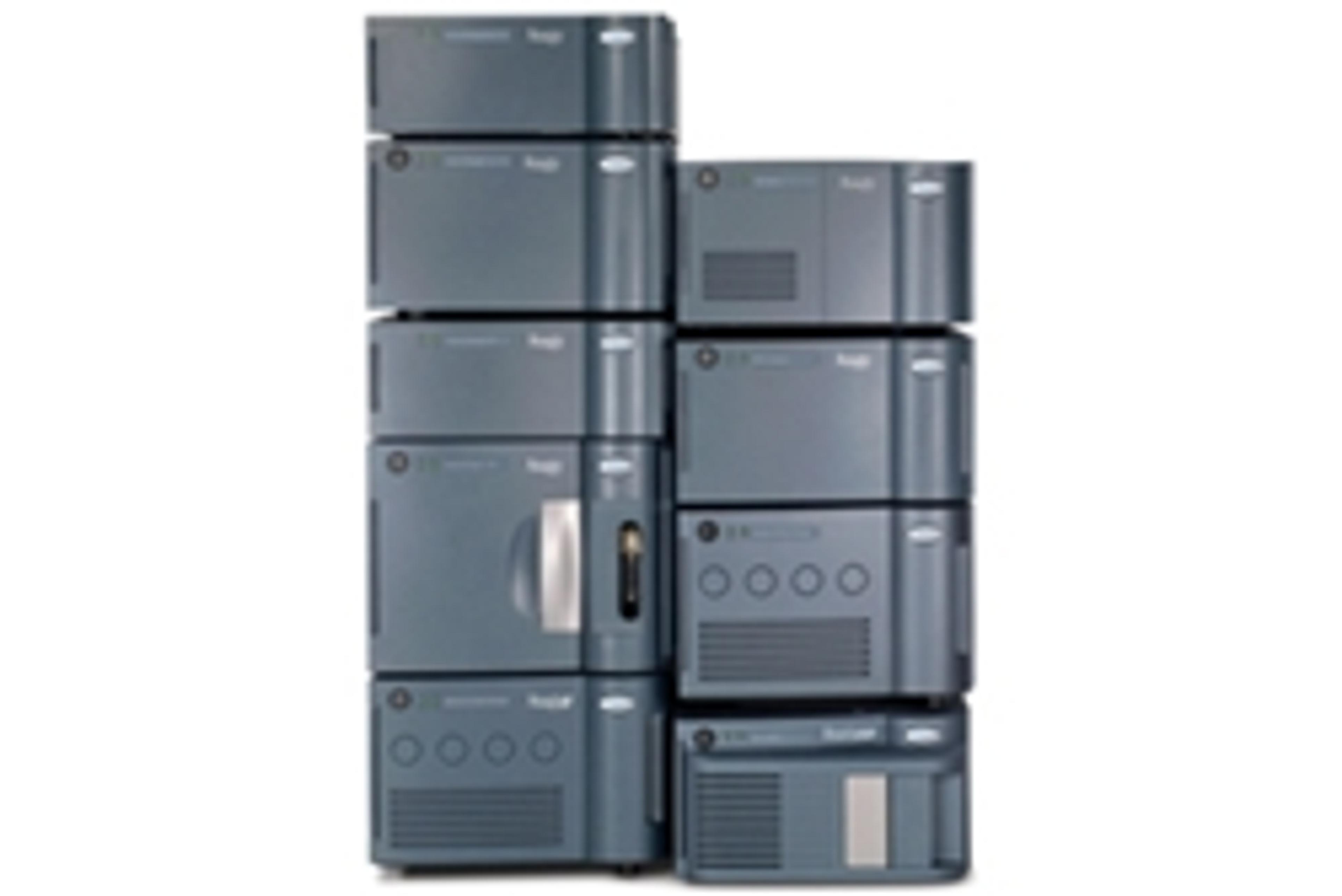
1 Dec 2014This application note presents a fast, efficient method for the analysis of food dyes in a variety of foods and beverages using the ACQUITY UPLC H-Class System with an ACQUITY UPLC Photodiode Array (PDA) extended wavelength (eλ)Detector. This 10-minute method, which includes column wash and equilibration time, allows for the simultaneous analysis of 15 artificial food dyes and selected isomers.
Related products
Request Quote for All Products
ACQUITY UPLC® BEH C18 and C8 Columns
WatersACQUITY UPLC® BEH C18 and C8 columns were designed to be the universal columns of choice for most UPLC® separations by providing the widest pH range.They incorporate trifunctional ligand bonding chemistries which produce superior low pH stability and ultra-low column bleed. This low pH stability is combined with the high pH stability of the 1.7 µm BEH particle to deliver the widest usable pH operating range. In addition, these new chemistries also utilize new, proprietary endcapping processes which produce outstanding peak shape for bases. These bonding chemistries and particle synthesis innovations produce the sharpest peaks, highest efficiencies and maximum MS sensitivities.
2998 Photodiode Array (PDA) Detector
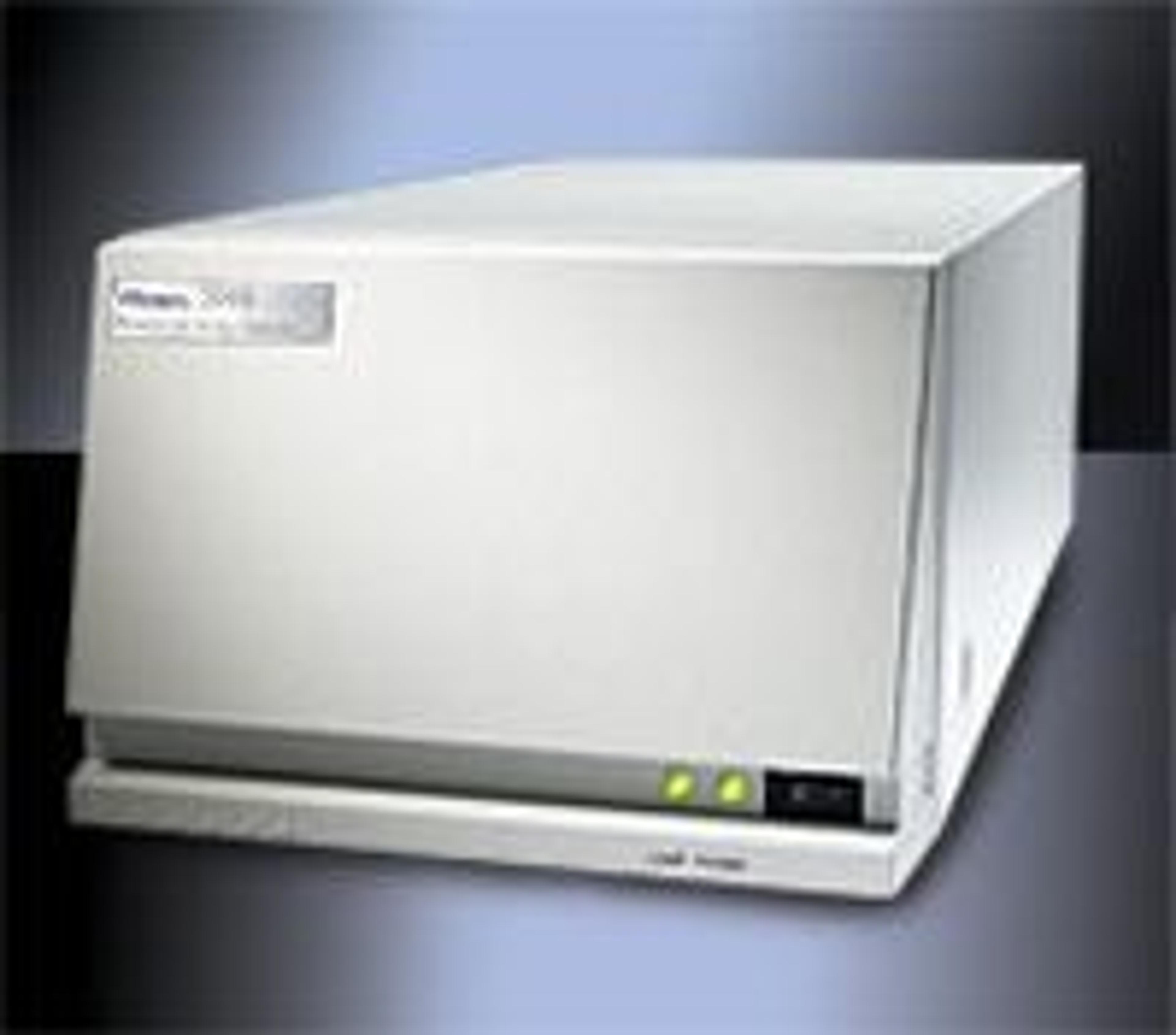
WatersThe 2998 Photodiode Array (PDA) Detector offers advanced optical detection for Waters analytical HPLC, preparative HPLC, or LC/MS system solutions. Providing unprecedented trace impurity detection and quantitation, the 2998 PDA Detector’s integrated software and optics innovations deliver high chromatographic and spectral sensitivity. Enhanced software control provides flexibility for simultaneous 2D and 3D operation with either Empower™ or MassLynx™ Software. The Waters 2998 PDA Detector is designed for a range of laboratory applications, including trace impurity detection and quantification, compound identification and method development. Features of the Waters 2998 Photodiode Array PDA Detector: • Patented TaperSlit™ flow cell ensures high sensitivity while maintaining optimal spectral performance • Maximum signal-to-noise performance of <10 µAU • Simultaneous quantification of high- and low-level components within a single chromatographic separation for extended linear range • Flexible sampling rates for normal and fast LC separations from 1 to 80 Hz • Definitive compound identification & co-elution detection • Superior linear range with constant optical bandpass • Spectral exposure optimization to maximize the signal-to-noise across the entire wavelength range with a single Deuterium lamp • Thermal wander management for maximum baseline stability